2Q-Solution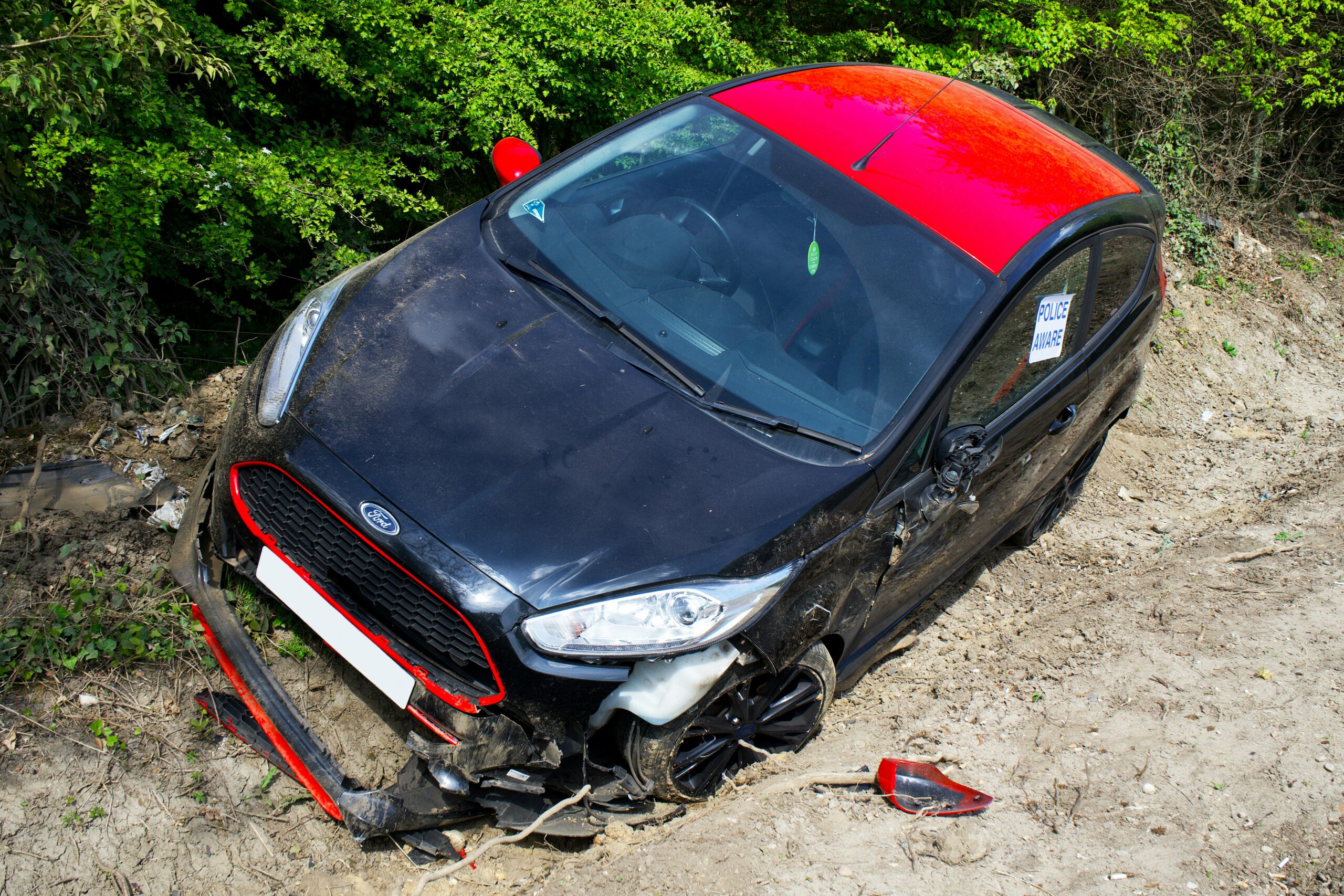
After a car accident, many people assume that vehicle repairs and personal injuries are handled the same way, but these claims follow very different paths. Property damage focuses on restoring what was damaged, while injury claims deal with physical harm that can affect someone for months or even years. The confusion between these two claim types often leads to frustration and missed opportunities for recovery. Understanding how they differ helps accident victims make better decisions from the very beginning.
Insurance companies treat damage to vehicles far differently than damage to the human body. A car can be repaired or replaced, but injuries involve pain, healing timelines, and uncertainty. These differences shape how claims are investigated, valued, and resolved. Knowing what to expect allows victims to approach each claim with clarity instead of confusion.
How Property Damage Claims Are Typically Evaluated
Property damage claims are usually based on tangible, visible losses that can be measured fairly quickly. Insurance adjusters rely on repair estimates, photographs, vehicle inspections, and market values to determine compensation. Because the damage is physical and concrete, these claims often move faster than injury-related claims. The goal is typically to repair the vehicle or declare it a total loss.
Disputes still occur, especially when insurers undervalue repairs or use aftermarket parts. Delays may also happen if liability is contested. However, the scope of a property damage claim is usually limited to the vehicle and related costs. This makes them more straightforward, though not always simple.
Why Injury Claims Take Longer and Involve More Uncertainty
Injury claims are more complex because they involve the human body, which does not heal on a fixed schedule. Pain, limitations, and complications may evolve over time, making early evaluations incomplete. Medical treatment, follow-up care, and rehabilitation all affect the final value of the claim. This uncertainty often leads to longer timelines.
Insurance companies frequently wait to see how injuries develop before making serious settlement offers. Symptoms that seem mild at first may worsen, while others take time to appear. This creates tension between the need for immediate help and the importance of waiting for a clearer medical picture. Injury claims require patience and careful documentation.
Why These Two Claims Are Often Handled Separately
Although both claims stem from the same accident, property damage and injury claims are often processed independently. Vehicle damage is usually addressed quickly so people can return to work or their daily routines, while injury claims unfold over a longer period. These separate timelines can be confusing for accident victims. Understanding this separation helps manage expectations.
Because injury claims involve more long-term considerations, many people consult firms like Drafahl Law Firm to better understand how these claims interact. Settling property damage early does not mean injury claims must be rushed. Each claim should be handled on its own timeline. Recognizing this distinction prevents costly mistakes.
How Medical Evidence Shapes Injury Claim Value
Medical records form the foundation of any injury claim. Doctors’ notes, diagnostic tests, treatment plans, and progress reports help explain how the accident affected the body. This evidence shows not only what injuries occurred, but how they impact daily life. Strong medical documentation supports long-term recovery needs.
Inconsistent treatment or gaps in care can weaken an injury claim. Insurers may argue that injuries were not serious or were caused by something else. Consistent follow-up helps establish credibility. Medical evidence connects pain and limitations directly to the accident.
The Role of Repair Estimates and Vehicle Valuation
Property damage claims rely heavily on repair estimates and vehicle value assessments. Insurance companies often use preferred repair shops or valuation tools to calculate costs. These estimates may not always reflect real-world repair needs. Disputes often arise over labor rates or replacement parts.
Photos and independent repair estimates can help challenge undervaluation. Total loss determinations depend on market value rather than sentimental worth. Understanding how vehicles are valued prevents surprises. Documentation strengthens these claims.
How Insurance Priorities Differ Between Claim Types
Insurers often push to resolve property damage quickly because it is predictable and easier to close. Injury claims, however, involve ongoing risk for insurers if injuries worsen or require long-term care. This difference influences negotiation strategies. Victims may feel pressured to settle too soon.
Understanding insurer priorities helps accident victims avoid rushing decisions. Quick resolution is not always beneficial when injuries are involved. Each claim requires a different approach. Awareness prevents unnecessary compromise.
Common Expenses Included in Each Claim
Each claim type covers different categories of loss. Below is a general breakdown of what is typically included:
Property Damage Claims May Include:
- Vehicle repair or replacement
- Towing and storage costs
- Rental car expenses
- Diminished vehicle value
Injury Claims May Include:
- Medical bills and rehabilitation
- Lost income or reduced earning ability
- Pain and physical limitations
- Emotional and psychological effects
Knowing these distinctions helps victims track expenses correctly. Proper categorization prevents overlooked losses.
Why Timing Matters When Managing Both Claims
The order in which claims are handled can affect the overall outcome. Settling property damage quickly is often reasonable, but injury claims benefit from patience. Rushing an injury claim may undervalue long-term consequences. Strategic timing protects future needs.
Coordinating both claims carefully avoids confusion and missteps. Clear communication helps keep each claim on track. Understanding timing allows victims to stay in control. Planning reduces stress during recovery.
Understanding the Difference Protects Your Recovery
Property damage and injury claims serve different purposes, even though they come from the same accident. Recognizing how they are evaluated and resolved helps victims avoid unrealistic expectations. Each claim deserves focused attention based on its own rules. Clarity makes the process easier to navigate.
When people understand these distinctions, they are better prepared to make informed decisions. Awareness reduces frustration and prevents rushed settlements. With patience and preparation, both claims can be managed effectively. Knowledge is the strongest protection after an accident.