2Q-Solution
The stark difference between amateur and professional-looking vlogs often comes down to one key element: lighting. Scroll through YouTube, and you’ll immediately notice how top creators have that polished, cinematic glow while others appear washed out, shadowy, or just plain flat. Many vloggers struggle with harsh shadows that carve unflattering lines across their faces, skin tones that look sickly under overhead bulbs, and inconsistent video quality that changes from one recording session to the next when filming at home. The frustration is real—you’ve invested in a quality camera, but your videos still lack that professional edge. The solution isn’t more expensive equipment or complicated post-production tricks. It’s softboxes, the secret weapon of professional videographers that can transform your home studio into a production-quality space. This comprehensive guide will show you exactly why softboxes are essential for vlogging, how to choose the right ones for your specific needs, and provide step-by-step setups to achieve that coveted cinematic quality that keeps your audience engaged and coming back for more.
Why Softboxes Are the Vlogger’s Best Friend for Professional Lighting
Softboxes transform raw, harsh light into something magical: soft, diffused illumination that wraps around your face like natural window light on an overcast day. Unlike direct light sources such as bare bulbs or on-camera LED panels that create sharp, unflattering shadows under your nose and chin, softboxes use a white reflective interior and translucent front panel to scatter light in multiple directions. This diffusion process is what creates “soft light”—the kind that gently fills in facial contours rather than carving them out with hard edges. The result is immediately visible: your skin appears smoother with minimized texture and imperfections, your eyes catch natural-looking catchlights that make you appear more engaged, and your overall on-screen presence becomes warmer and more inviting. When you compare footage shot with a softbox against video filmed under ceiling lights or with a camera-mounted flash, the difference is striking. The softbox eliminates that amateur “deer in headlights” look and replaces it with the dimensional, polished quality you see in professional productions. This isn’t just aesthetic—viewers subconsciously associate well-lit videos with credibility and quality content, which directly impacts watch time and subscriber growth. For vloggers specifically, where your face is the primary focus and connection point with your audience, achieving this flattering illumination isn’t optional—it’s the foundation of professional video quality that separates serious creators from casual hobbyists.
Essential Gear: Building Your Vlogging Light Kit
Building an effective vlogging light kit starts with understanding that softboxes are your centerpiece, but they’re part of a complete camera light setup ecosystem. At the core, you need the softbox itself—typically ranging from 24×24 inches for tight spaces to 36×48 inches for fuller coverage—paired with a sturdy light stand that extends to at least six feet and has a stable base to prevent tipping. Inside your softbox, you’ll choose between LED panels or bulbs as your light source. LED panels have become the go-to choice for modern vloggers because they run cool, consume less power, and offer adjustable color temperature, while traditional fluorescent bulbs are budget-friendly but generate heat and lack flexibility. For creators seeking maximum control, COB lights for video represent a powerful upgrade—these concentrated light sources deliver intense, adjustable output that pairs beautifully with softboxes, giving you the ability to dial in exact brightness levels and achieve that coveted film-quality look. Beyond your key softbox, consider adding LED tube lighting to your arsenal. These versatile fixtures excel as accent lights, backlights, or colorful background elements that add visual interest and separate you from your backdrop. For a basic starter kit, invest in one 24-inch square softbox with a daylight-balanced LED bulb, a reliable stand, and a simple reflector to bounce light as a makeshift fill. This foundation costs less than most camera lenses but delivers transformative results. As you advance, expand to a two-softbox setup with different sizes, add a dedicated backlight using LED tubes, and incorporate a COB light with barn doors for precise control. The beauty of this modular approach is portability—most softboxes collapse into compact bags, stands telescope down, and LED panels are lightweight, making your entire professional lighting setup surprisingly mobile for creating content anywhere your vlogging takes you.

Step-by-Step Guide to Your Perfect Softbox Camera Light Setup
1. The Classic One-Light Setup (The Key Light)
Start with your primary softbox positioned at a 45-degree angle to your face—imagine drawing a line from your nose to the camera, then placing the light 45 degrees to either side and elevated about 30 degrees above eye level. This classic position creates natural-looking dimension with gentle shadows that define your features without looking harsh. Place your softbox approximately three to five feet from where you sit, adjusting closer for softer light or farther for more dramatic contrast. The light should angle slightly downward toward your face, mimicking how sunlight naturally falls. Turn off all other lights in your room and observe the shadow under your nose—it should point toward the corner of your mouth on the opposite side, creating what photographers call “Rembrandt lighting.” If the shadow disappears completely, your light is too frontal and will flatten your features. If it’s too pronounced, move the light closer to the camera or add a white foam board on the opposite side to bounce some light back. This single-light configuration is your foundation and can produce genuinely professional results when positioned correctly, making it perfect for vloggers just starting to build their lighting toolkit.

2. Leveling Up: The Two-Light Setup (Key + Fill)
Once you’ve mastered the key light, add a second softbox or large reflector on the opposite side to control shadow intensity. Position this fill light closer to the camera axis and lower in power—typically set to about half the brightness of your key light. If you’re using two identical softboxes, simply move the fill light farther away (following the inverse square law where doubling the distance quarters the light intensity) or diffuse it further with an extra layer of white fabric. The fill light’s job isn’t to eliminate shadows entirely but to soften them enough that they remain visible yet flattering, maintaining the dimensional quality your key light created. Place it at roughly 15-30 degrees on the opposite side of your camera from the key light. This two-light approach gives you remarkable control over the mood of your videos—a stronger fill creates bright, upbeat content perfect for tutorial and lifestyle vlogs, while a weaker fill adds drama suitable for storytelling or cinematic content. Test your setup by recording short clips at different fill ratios, and you’ll quickly discover your signature look that balances professional polish with your personal style.
3. The Professional Three-Point Lighting Setup
The third light transforms good lighting into exceptional video production lighting by adding depth and separation from your background. Position this backlight behind you, elevated and angled down toward the back of your head and shoulders—it should never shine into the camera lens. A narrow LED tube lighting fixture works beautifully here because its shape creates an elegant rim of light along your profile, or use a small softbox with a grid to control light spill. Set this light’s power to match or slightly exceed your key light for a pronounced effect that makes you pop off the background. Alternatively, redirect this third light toward your background instead, creating visual interest and preventing the backdrop from falling into darkness. A colored LED tube aimed at a plain wall adds instant production value and brand personality. The three-point setup is the industry standard because it solves the fundamental challenge of video: creating a three-dimensional impression on a two-dimensional screen. When all three lights work together—key defining your features, fill controlling contrast, and back separating you from the environment—your vlogs achieve that elusive cinematic quality that commands viewer attention and communicates professionalism before you even speak.
4. Creative & Portable Setups for Vloggers On-the-Go
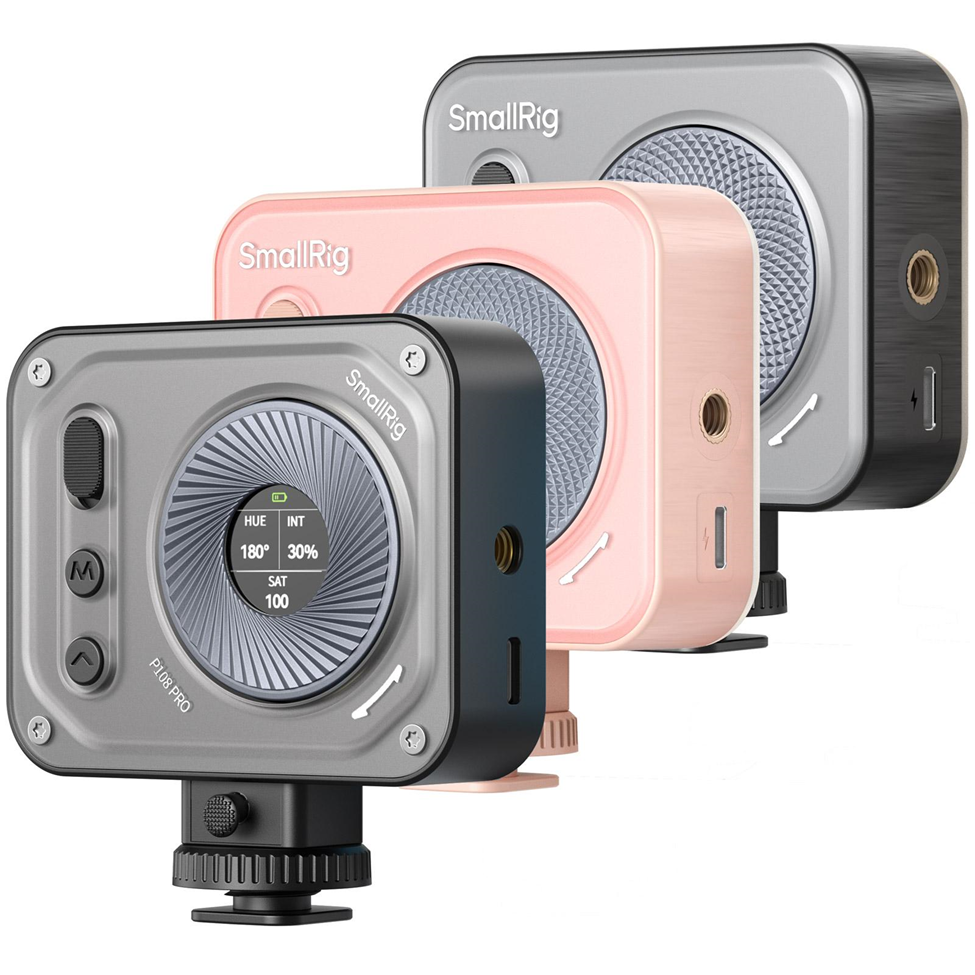
Professional lighting doesn’t require a permanent studio when you embrace portable solutions. Invest in collapsible softboxes that fold down to the size of a dinner plate and lightweight aluminum stands that telescope into two-foot sections. Battery-powered LED panels with magnetic softbox attachments have revolutionized mobile vlogging, letting you achieve professional results in coffee shops, hotel rooms, or outdoor locations under shade. When filming away from your home setup, apply the same fundamental principles with adapted execution: find a location with minimal overhead lighting, set your compact softbox at that crucial 45-degree angle, and use your environment strategically. A white wall becomes your fill reflector, window light can serve as your key if you add a translucent shower curtain for diffusion, and even a white t-shirt stretched over a small LED panel creates surprisingly effective soft light. For true run-and-gun vlogging, a single 12-inch softbox on a tabletop stand positioned just out of frame provides infinitely better results than any on-camera light. Many content creators rely on modular mounting systems from companies like SmallRig to attach compact lighting solutions directly to their camera rigs, creating integrated setups that remain portable while maintaining professional quality. The key is maintaining the softbox principle—diffused, directional light—regardless of scale. Pack a small reflector, a clamp light with a mini softbox, and a versatile LED tube that can serve multiple roles, and you’ll have professional lighting capability that fits in a backpack yet delivers results that belie its compact size.
Pro Tips and Common Mistakes to Avoid
Color temperature consistency is non-negotiable for professional results—mixing warm tungsten bulbs with cool daylight LEDs creates unnatural skin tones that scream amateur production. Choose a single color temperature across all your lights, typically 5600K for daylight balance that matches natural light, or 3200K for warmer, cozy content. When filming near windows, either embrace natural light as your key and match your softboxes to it, or block the window completely with blackout curtains to maintain full control. Always use your softbox’s inner and outer diffusion panels together—removing one to increase brightness defeats the purpose and reintroduces harsh shadows. Position your lights outside your camera’s field of view but watch for lens flare by checking your monitor; if you see light streaks or washed-out areas, angle the softbox slightly away or add barn doors to control spill. The most common mistake beginners make is placing lights too high, creating unflattering shadows under the eyes and nose—remember that slight elevation above eye level, not ceiling height, produces the most natural results. Using softboxes that are too small for your space is another pitfall; a tiny twelve-inch box placed far away acts like a hard light source, so move closer or size up. Finally, don’t neglect your background—a perfectly lit face against a dark, muddy backdrop looks unfinished, so dedicate at least one light to illuminate or add interest to what’s behind you, completing the polished, intentional aesthetic that defines professional vlogging.
Transform Your Vlogging with Professional Softbox Lighting
Mastering softbox lighting is the single most impactful upgrade you can make to your vlogging content, transforming amateur-looking videos into polished, professional productions that command viewer attention and respect. Throughout this guide, we’ve explored how softboxes create that coveted soft, diffused illumination that flatters your features, eliminates harsh shadows, and delivers the cinematic quality your audience expects. Whether you start with a simple one-light key setup that immediately improves your on-screen presence, progress to a two-light configuration for enhanced control, or commit to the full three-point lighting system that rivals professional studios, each step builds upon fundamental principles that remain consistent. Building your vlogging light kit doesn’t require massive investment—begin with one quality softbox, a reliable stand, and a daylight-balanced LED source, then expand as your skills and content demands grow. The techniques you’ve learned here aren’t theoretical; they’re the same methods used by successful creators and professional videographers worldwide. Now it’s your turn to experiment. Set up your first softbox at that crucial 45-degree angle, adjust the distance and height, and watch through your viewfinder as your image transforms before your eyes. The difference will be immediate, undeniable, and absolutely worth the effort. Your audience will notice, your confidence will soar, and your content will finally reflect the quality you’ve always envisioned.
Read More Gorod