Sky Bloom IT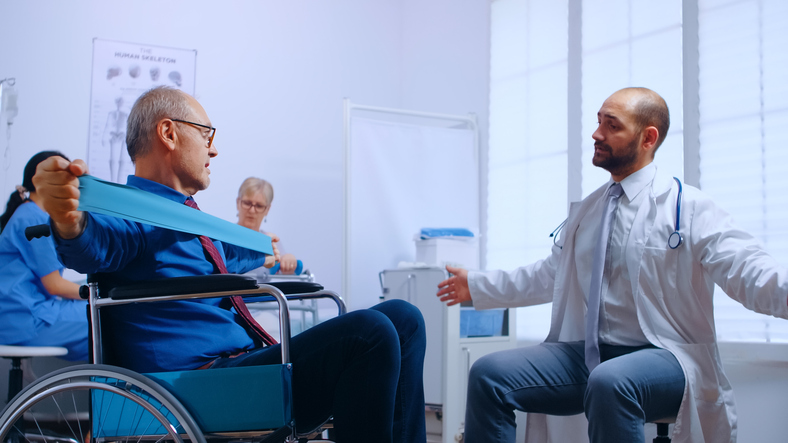
Physical therapy plays a defining role in spinal cord injury recovery by restoring movement capacity, improving physical health, and supporting long-term independence. Recovery after spinal cord trauma extends far beyond surgery or acute medical care. Rehabilitation determines how well a person regains function, adapts to physical change, and returns to daily life. Evidence from neurological rehabilitation consistently shows that structured Spinal rehab therapy improves mobility, strength endurance, and overall quality of life following spinal cord injury.
Spinal cord injury recovery demands a clear understanding of how the nervous system responds to movement training. Physical therapy creates the conditions needed for neurological adaptation through repetitive task-based activity guided by clinical expertise. This article explains the role of physical therapy in spinal cord injury recovery using patient-centered insight and evidence-based practice.
Understanding Spinal Cord Injury and Recovery Mechanisms
Spinal cord injury occurs when trauma interrupts communication between the brain and body. Damage severity depends on injury level, completeness, and cause. Injuries may be classified as complete or incomplete based on preserved motor or sensory function.
Recovery potential varies widely. Neurological healing relies on neuroplasticity, which describes the nervous system’s ability to reorganize in response to stimulation. Physical therapy activates this process by providing consistent movement input that strengthens remaining neural pathways.
Rehabilitation outcomes improve when therapy begins early and continues through all recovery phases. Structured intervention shapes motor relearning while preventing secondary complications linked to inactivity.
Why Physical Therapy Is Essential After Spinal Cord Injury
Movement loss leads to rapid physical decline without intervention. Muscle atrophy, joint stiffness, reduced circulation, and respiratory weakness develop quickly after injury.
Physical therapy targets these risks by maintaining joint mobility, muscle activation, and cardiovascular health. Therapeutic exercise improves blood flow, supports tissue health, and reduces long-term disability.
Patients engaged in ongoing physical therapy often show higher functional independence scores and improved self-care ability compared to those without structured rehabilitation.
Early Physical Therapy Following Spinal Cord Injury
Initial rehabilitation begins after medical stabilization. Early physical therapy focuses on protection, positioning, and gentle activation.
Therapists guide the passive and assisted range of motion to maintain flexibility and prevent contractures. Proper positioning reduces pressure injury risk and supports breathing function.
Education during this phase teaches safe transfers positioning techniques, and movement strategies for patients and caregivers. Early knowledge reduces complications and builds confidence.
Mobility Training as a Foundation of Recovery
Mobility restoration remains a primary focus in spinal cord injury rehabilitation. Physical therapy programs include bed mobility transfer training, sitting balance, and wheelchair skills.
Progression depends on neurological level and preserved function. Individuals with incomplete injuries may work toward standing tolerance and gait retraining using assistive equipment.
Each movement task reinforces coordination strength and balance needed for functional independence.
Gait Training and Assisted Walking
Walking practice may involve parallel bars, braces, body weight support systems, or robotic devices. Therapists guide proper alignment, step sequencing, and weight shifting.
Repetitive walking training stimulates neural pathways and improves cardiovascular endurance when appropriate.
Strength Development and Muscle Reeducation
Strength loss follows reduced neural input and inactivity. Physical therapy counters this decline through targeted resistance training.
Muscle reeducation techniques focus on activating weak muscle groups using repetition, tactile cues, and visual feedback. Strength gains support posture, endurance, and transfer safety.
Improved muscle control allows more efficient performance of daily activities.
Balance, Coordination, and Postural Control
Balance impairments affect safety and independence after spinal cord injury. Physical therapy addresses trunk stability, weight shifting, and alignment control.
Seated balance training improves wheelchair mobility and transfer ability. Standing balance exercises support gait training and reduce fall risk.
Postural control also influences breathing efficiency, digestion, and pain management.
Trunk Stability and Core Training
Core muscle engagement improves upper limb function and sitting endurance. Therapists guide exercises that strengthen trunk control across multiple planes of movement.
Pain and Spasticity Management Through Physical Therapy
Pain and muscle spasticity commonly develop due to altered nerve signaling. Physical therapy provides movement-based strategies for symptom management.
Stretching routines, positioning techniques, and manual therapy reduce muscle tone and discomfort. Controlled movement improves circulation and decreases nerve sensitivity.
Consistent therapy improves comfort during daily tasks and supports better sleep quality.
Cardiovascular and Respiratory Conditioning
Reduced mobility affects heart and lung health following spinal cord injury. Physical therapy incorporates aerobic conditioning to maintain endurance.
Upper body exercise cycling with stimulation and task-based movement raises heart rate safely. Breathing exercises support lung expansion and airway clearance.
Improved cardiovascular fitness allows longer therapy participation and better daily energy levels.
Long-Term Physical Therapy and Community Participation
Recovery continues well beyond inpatient rehabilitation. Long-term physical therapy supports strength, mobility, and skill refinement.
Therapists focus on advanced wheelchair skills, adaptive fitness, vocational readiness, and community navigation. Home exercise programs support consistency outside clinical settings.
Sustained therapy improves confidence, independence, and social engagement.
Physical Therapy Within a Multidisciplinary Care Model
Physical therapists work alongside physicians, occupational therapists, and mental health professionals. Integrated care supports physical, cognitive, and emotional recovery.
Therapists assess movement needs, recommend equipment, and guide environmental adjustments. Professional oversight keeps rehabilitation aligned with evolving goals.
Collaboration improves outcomes and supports holistic recovery.
Evidence Supporting Physical Therapy in Spinal Cord Injury Recovery
Clinical research demonstrates improved motor function and independence among patients receiving structured physical therapy. Rehabilitation programs report fewer complications and reduced hospital readmissions with ongoing therapy.
Long-term studies link therapy participation with improved mental well-being and higher life satisfaction. Scientific findings confirm physical therapy as a central component of spinal cord injury recovery.
What a Personalized Physical Therapy Program Involves
Each spinal cord injury presents unique challenges. Physical therapy begins with a detailed evaluation of strength, sensation, mobility, and personal goals.
Treatment plans adapt over time based on progress, tolerance, and neurological response. Regular reassessment guides exercise progression and therapy focus.
Patient engagement and consistency strongly influence outcomes.
Practical Guidance for Patients and Caregivers
Choosing a therapist experienced in neurological rehabilitation supports recovery success. Regular attendance and daily movement practice improve functional gains.
Open communication with the therapy team allows timely adjustments based on comfort and goals.
Active participation strengthens long-term recovery potential.
Final Perspective on the Role of Physical Therapy in Spinal Cord Injury Recovery
Physical therapy shapes recovery at every stage of spinal cord injury by restoring movement, protecting health, and supporting independence. Skilled rehabilitation reduces complications, improves function, and enhances quality of life.
Commitment to ongoing physical therapy creates lasting physical change and supports meaningful participation in daily living with expert care from CC Physiotherapy.