IQnewswire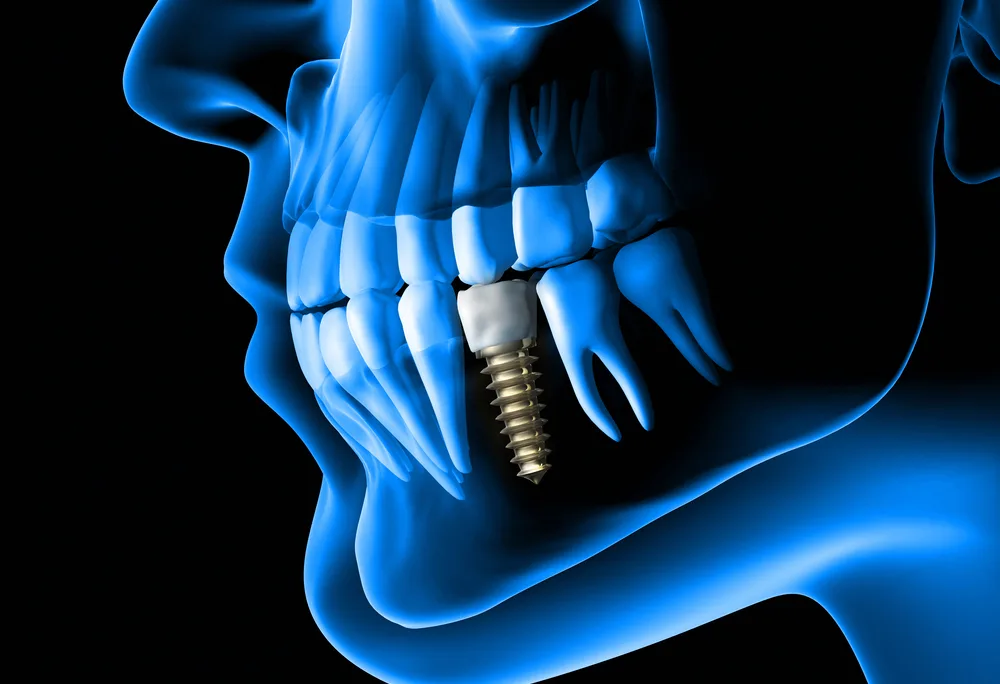
Missing teeth are more than a cosmetic concern; they can influence chewing, speech, and overall oral health. For those considering replacement options, a dental implant specialist offers a complete approach, beginning with a thorough evaluation to understand individual needs and goals. This process often includes a comprehensive dental exam, digital imaging, oral cancer screening, and assessments of gum health. Each step is designed to gather detailed information, allowing for a personalized treatment plan that maximizes both function and aesthetics.
Evaluation is not a one-size-fits-all process. Specialists consider factors like jawbone density, overall health, and bite alignment, ensuring that implants are positioned to provide long-term stability. By understanding the patient’s unique oral landscape, potential complications can be anticipated and addressed before the procedure begins, increasing the likelihood of a successful outcome.
The Role of Advanced Imaging and Planning
Modern dental technology has transformed the way implants are planned and executed. Digital X-rays and 3D imaging allow specialists to view the jaw, teeth, and surrounding structures with precision. This level of detail helps in selecting the optimal implant size, angle, and placement, reducing the risk of complications and improving the overall fit.
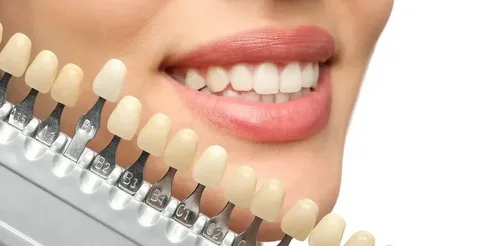
Planning also extends to aesthetics. Customized crowns are designed to match natural teeth in shape, size, and color, ensuring the final result blends seamlessly with the smile. By visualizing the treatment outcome before any surgical steps are taken, patients can feel confident in both the functional and cosmetic results.
Surgical Placement of Implants
Once the evaluation and planning are complete, the next step is surgical placement. The titanium implant post is carefully inserted into the jawbone, where it serves as an artificial tooth root. Specialists use precise techniques to position the post correctly, optimizing both strength and alignment with surrounding teeth.
For patients with insufficient bone density, procedures like bone grafting can rebuild and strengthen the jaw, creating a secure foundation for the implant. This step is critical for ensuring that the implant integrates properly and remains stable over time. A skilled specialist manages these procedures with attention to detail, minimizing discomfort and promoting smooth healing.
Exploring Implant Options
Not all dental implants are the same. Depending on individual needs, specialists may offer mini or micro implants, implant-retained dentures, or full-arch restorations. Each option provides specific benefits: mini implants can be ideal for patients with limited bone density, while implant-retained dentures offer greater stability and comfort compared to traditional removable dentures.
Specialized implants can also simplify treatment in complex cases, allowing patients to regain function and appearance more efficiently. By discussing these options with a professional, patients can choose the solution that best fits their lifestyle and long-term oral health goals.
Restoration and Aesthetic Considerations
After the implant integrates with the jawbone, a process known as osseointegration, the abutment and crown are placed. This stage is where aesthetics come to life. Custom crowns are crafted to match surrounding teeth in color and contour, creating a natural and harmonious smile. Specialists also consider bite alignment and function, ensuring that chewing and speech feel natural and comfortable.
The restoration phase is crucial not only for appearance but also for oral function. A well-designed implant allows patients to eat their favorite foods, speak clearly, and maintain proper oral hygiene, all while feeling confident in their smile.
Managing Complications with Expertise
While dental implants have high success rates, complications can occur, such as infection, implant failure, or issues with bone integration. A specialist’s advanced training allows them to recognize and address these situations quickly, often preventing minor issues from becoming major problems.
Management strategies may include adjusting the implant placement, providing targeted therapies, or performing additional procedures to reinforce the surrounding bone and gum tissue. Having a professional team ensures that patients receive timely, precise care, safeguarding the longevity of their implants.
Long-Term Follow-Up and Care
One of the most significant advantages of working with an implantology expert is ongoing support. After placement and restoration, regular follow-up appointments monitor the health of the implant, jawbone, and surrounding teeth. This proactive approach allows for early detection of potential problems and reinforces proper maintenance practices.
Patients are also guided in daily care routines, including brushing, flossing, and using appropriate oral hygiene products to protect both natural teeth and implants. With this combination of professional oversight and patient diligence, implants can last decades, maintaining both function and aesthetics over time.
Benefits Beyond the Smile
Dental implants do more than restore appearance, they improve quality of life. Replacing missing teeth restores chewing efficiency, allowing patients to enjoy a diverse diet without discomfort. Speech clarity is also enhanced, reducing self-consciousness in social and professional settings.
Psychological benefits are equally significant. A complete smile boosts confidence, encourages social interaction, and diminishes the anxiety often associated with missing teeth. Patients frequently report a renewed sense of self-assurance, demonstrating how functional restoration and emotional well-being go hand in hand.
Preventing Future Dental Issues
While implants provide a long-lasting solution, maintaining oral health remains essential. Specialists emphasize preventive care to protect natural teeth and ensure the ongoing health of implants. This includes routine dental visits, professional cleanings, and monitoring for early signs of gum disease or wear.
By staying proactive, patients can reduce the risk of future dental problems, supporting both the longevity of their implants and overall oral wellness. Education on healthy habits complements professional care, creating a sustainable approach to oral health.
Why Choose a Specialist
General dentists can perform implant procedures, but specialists bring an added layer of expertise. Their focused training in surgical placement, bone grafting, and complex restorative techniques ensures a higher degree of precision and success. Specialists are also equipped to handle challenging cases, offering solutions that might not be available through general practice.
Working with a specialist provides peace of mind, knowing that every stage, from planning to long-term follow-up, is managed with skill, care, and attention to detail. This expertise translates into better outcomes, fewer complications, and a more natural, comfortable smile.
Making the Decision
Choosing dental implants is a commitment to long-term oral health and personal confidence. Understanding the process, benefits, and maintenance requirements empowers patients to make informed decisions. Consultation with an implantology expert allows for personalized recommendations, tailored treatment plans, and clear expectations regarding recovery, cost, and results.
Patients are encouraged to discuss their goals openly, exploring all available options and potential enhancements. This dialogue ensures that the final plan aligns with both functional needs and aesthetic preferences.
Final Thoughts
Dental implants represent more than a cosmetic fix, they are a comprehensive solution that restores chewing ability, speech clarity, and a confident smile. From evaluation and imaging to surgical placement, specialized procedures, and long-term care, an implantology expert provides expertise at every stage of treatment.
The combination of advanced technology, personalized planning, and professional oversight creates results that are natural-looking, durable, and highly functional. With proper care and regular follow-up, dental implants can transform both oral health and overall quality of life, offering a reliable, long-term solution for missing teeth.
Choosing a skilled specialist ensures that each step is executed with precision and care, allowing patients to enjoy the full benefits of modern implant dentistry.