Admin
Admin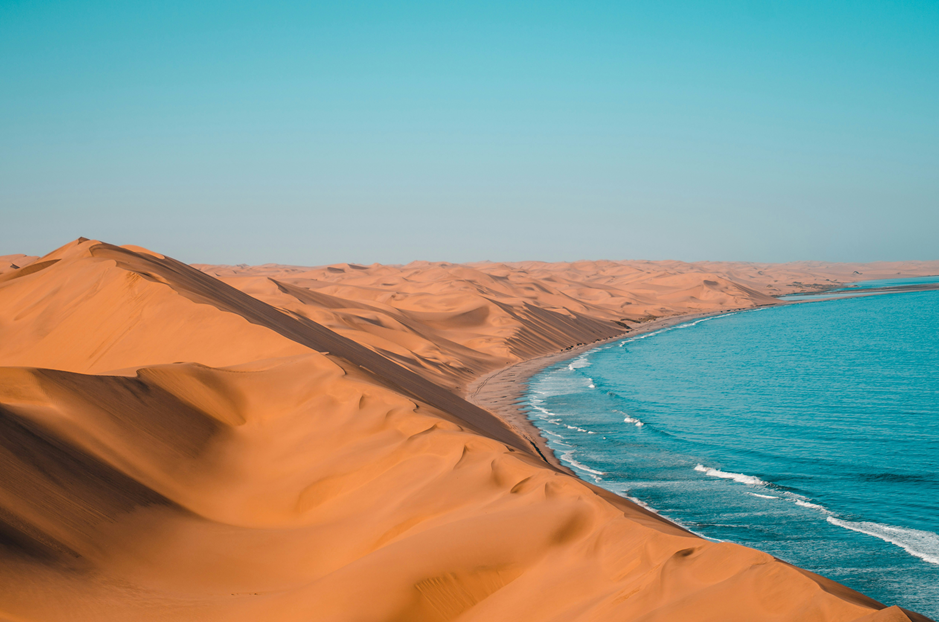
Namibia is not a destination you casually tick off a list. It is a place you feel in your legs after climbing dunes, in your hands after gripping a steering wheel on endless gravel roads, and in your head long after you return home. This Namibia travel guide is written for curious travelers who want more than postcard highlights. It is for people who crave space, silence, raw nature, and landscapes that look unfinished in the best possible way.
The country is almost three times the size of the UK, yet home to only about 3 million people. That imbalance shapes the entire experience. Roads stretch for hours with no villages, no shops, and sometimes no other cars. It can feel intimidating at first, then oddly liberating. Empty does not mean boring here. Namibia offers some of the most striking scenery and rewarding wildlife encounters in southern Africa, without the crowds found in more famous safari countries.
If you are looking for honest guidance on the best places to see in Namibia, how to plan a realistic route, and what actually matters once you arrive, keep reading.
Why Namibia Feels Different
Namibia is built on contrast. The Namib Desert dunes run straight into the Atlantic Ocean. Inland, salt pans reflect the sky while fog drifts in from the coast. You can watch elephants adapted to desert life in the morning and stand on a freezing, windblown beach by afternoon.
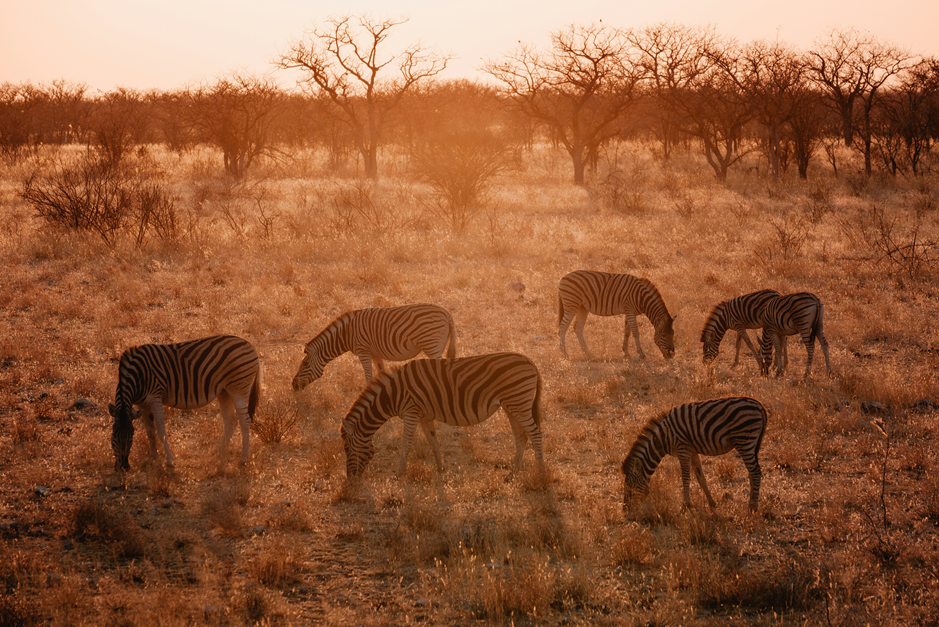
The wildlife experience is equally distinctive. Namibia wildlife thrives in open, arid landscapes where water is scarce. That scarcity works in your favor. Animals gather at predictable points, making sightings feel natural rather than staged. A self-drive Namibia safari often means turning off the engine and waiting, not chasing radio calls or following convoys.
Best Places to See in Namibia That Truly Deliver
Sossusvlei and Deadvlei
Sossusvlei is the visual heart of the Namib Desert. Towering red dunes rise more than 300 meters, changing color with the light. Big Daddy is the most demanding climb but also the most memorable. Nearby Deadvlei feels unreal. A white clay pan, blackened trees over 900 years old, and a deep blue sky create a scene that barely needs editing. Sunrise is essential here.
Etosha National Park
Etosha anchors most Namibia safari itineraries. During the dry season, animals converge around waterholes, making sightings frequent and varied. Lions, elephants, giraffes, and both black and white rhinos are common. Some camps have floodlit waterholes, allowing you to observe nocturnal behavior without leaving camp.
Fish River Canyon
Fish River Canyon is Africa’s largest canyon and second in size globally. The full hiking trail takes about five days and is physically demanding, but even the viewpoints communicate its scale. It is vast, quiet, and often overlooked by travelers rushing north.
Skeleton Coast
The Skeleton Coast is harsh and haunting. Shipwrecks, seal colonies, dense fog, and near-constant wind define the experience. Access is limited and conditions are unforgiving, which is exactly why it feels untouched.
Sandwich Harbour
Here, dunes spill directly into the Atlantic. A guided 4×4 tour is required, but the payoff is one of the most surreal landscapes in the country, where sand, sea, and sky collide.
How to Plan a Namibia Trip Without Costly Mistakes
Timing matters. The dry season from May to September offers comfortable temperatures and excellent wildlife viewing. April and May are a quiet sweet spot, with greener landscapes and fewer visitors.
Accommodation options range from high-end lodges to simple campsites, but availability is the real challenge. Book early, especially during peak months. One of the most common mistakes is booking accommodation before securing a vehicle. In Namibia, the car should come first. A proper 4×4 is essential if you want flexibility and safety.
Mid-range travelers typically spend USD 150–250 per day, including vehicle rental, fuel, accommodation, and activities. That cost reflects distance and logistics rather than luxury.
One week works for a focused route. Two weeks allows you to slow down and experience the country properly.
Driving and Safety Realities
Driving is the biggest adjustment for most visitors. Gravel roads dominate, and they demand respect. Keep speeds conservative, especially under 80 km/h, to reduce the risk of skidding or tire damage. Flat tires are common, so knowing how to change one is not optional.
Never drive at night outside cities. Wildlife, livestock, and unmarked hazards make it dangerous even for experienced drivers. Fuel stations can be hundreds of kilometers apart, so fill up whenever possible and carry cash.
Offline maps are essential. Cell coverage is unreliable once you leave major towns.
Why Namibia Is Worth the Effort
Namibia is not about rushing between highlights. It is about stillness. Sitting at a waterhole with no one else around. Driving through vast nothingness. Watching fog roll in over the ocean. These moments do not always photograph well, but they linger.
If you prepare properly, the challenges become part of the reward rather than obstacles. Few destinations offer this level of freedom.
Sources:
https://www.nextleveloftravel.com/namibia/
https://www.etoshanationalpark.org/wildlife
https://en.wikipedia.org/wiki/Fish_River_Canyon
https://www.safari.co.za/Namibia_Self-Drive_Guide-travel/4×4-namibia-tips.html