2Q-Solution
The trucking industry is more than a seamless road solution for transporting goods. Drivers and operators are constantly receiving updates and upgrades that require immediate attention. As a major player, you must watch out for rapid changes in technology, safety, and freight markets. Understand the industry shift and its impact on your income, safety, and health.
Trucks use more advanced technologies, with wider adoption of automated safety systems, sensors, cameras, and GPS optimization. Governments have deployed stricter regulations to reduce emissions and improve safety. The demand for freight has shifted, impacting pay and workload in various sectors.
The new era is pregnant with many surprises, and drivers are adapting to new trucking protocols in these five ways.
1. Researching and Using Newer Technologies

Truck drivers know that new technologies are indispensable and unavoidable. Indeed, they visit truck driver news websites to uncover new technologies and incorporate them into their daily operations. Most truckers integrate the latest digital tools, enabling them to streamline communication between dispatch and drivers. These tools help drivers to monitor performance and research the most suitable routes. Many truck drivers have adopted GPS route optimization solutions to reduce traffic, fuel costs, and improve driver rest breaks.
The era of maps and blind road navigation is a thing of the past. Many trucks have real-time route adjustment technologies to streamline and improve long-distance travel. Electronic Logging Devices (ELDs) help drivers track driving hours and comply with safety regulations.
The utility of ELDs is visible because they reduce paperwork, prevent accidental Hours-of-Service rule violations, and protect drivers from the long-term impact of unsafe work schedules. Telematics systems and dashcams are now prevalent in modern trucking businesses. They are robust tools for monitoring driving behaviors and vehicle performance, safeguarding everyone from illegal penalties and charges.
2. Seeking Improved Work-Life Balance
Truck drivers are no longer the guys who never cared about their emotional and physical health. Indeed, many drivers have adopted routines that help them achieve work-life balance. Drivers avoid long-haul jobs and focus on dedicated routes and schedules, providing more off days. They leverage efficient dispatch systems to minimize the time they waste idling or stuck in traffic delays. Now, drivers maintain better relationships with families. They engage in personal activities and manage fatigue.
The trucking life is demanding, and many drivers want a way out of the emotional and mental turmoil. The longer periods spent on the road cause health issues, burnout, strained family relationships, and loneliness. Increased mental health awareness helps drivers avoid multiple health issues. The recent shortage issues have led trucking companies to offer home-time guarantees, incentives, and flexible schedules.
3. Using Eco-friendly and Efficient Equipment
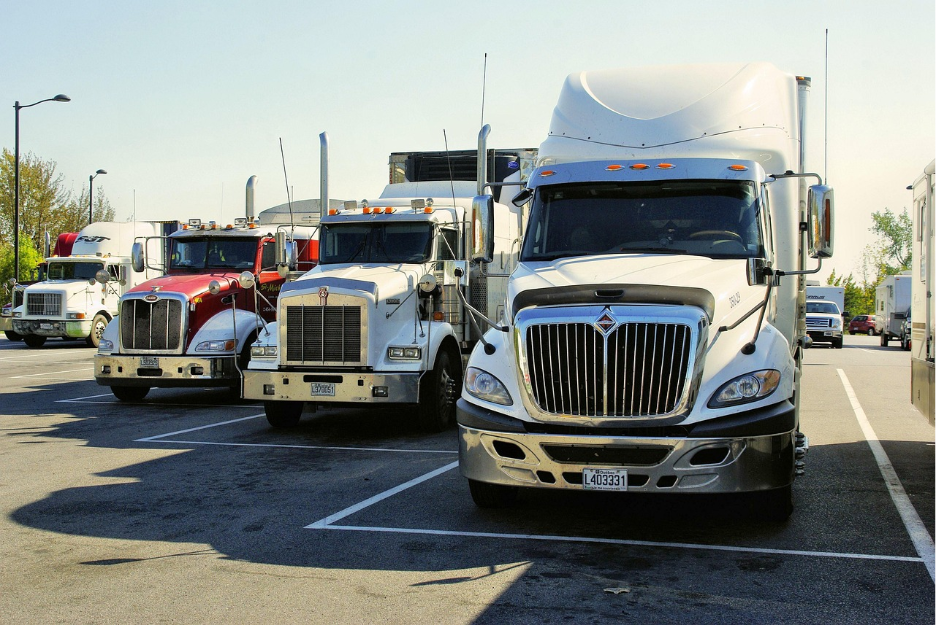
Fuel prices and environmental regulations keep changing. These changes have led drivers to adopt eco-friendly and efficient equipment. Carriers and drivers prefer fuel-efficient engines to minimize diesel use without sacrificing hauling power. Fuel-efficient engines offer improved mileage, optimize fuel burn, and reduce idling issues. Several fleet companies experiment with early-stage and hybrid electric trucks for urban and short regional routes. Vehicles with these engines consume minimal fuel and support all federal and state sustainability goals.
Drivers have started adopting low-rolling-resistance tires, scheduling routine maintenance checks, and maintaining proper tire pressure. They have adopted habits involving frequent lubrication, axle alignment, and filter cleaning to reduce wear/tear costs. By frequently and efficiently maintaining their equipment, drivers extend the lifespan and avoid expensive breakdowns.
4. Digital Platforms for Community and Group Information
Recently, many trucking companies, carriers, and rivers have adopted digital platforms. Many trucking news websites have gained traction in the industry. These platforms share the latest freight trends and industry developments that impact driver incomes and jobs. Drivers can access real-time updates to make informed decisions when choosing routes and adapting to new market changes. The constant information flow keeps drivers informed and confident in the ever-changing industry.
Social media platforms owned and managed by carriers and truck drivers have become invaluable platforms for sharing driver experiences and recommendations. Drivers can connect with like-minded individuals to share advice and learn about the latest trends. Trucking forums, Facebook, TikTok, and X enable drivers to share tips about mental health and equipment recommendations. Additionally, many YouTube channels and trucking podcasts offer entertaining and educational content to improve lifestyles.
5. Prioritizing Wellbeing and Health

Truck drivers have realized the risk associated with their sedentary work. More hours spent on the road expose drivers to mental health, obesity, and cardiovascular disease risks. Additionally, drivers can experience burnout and fatigue as they spend more time on the road. Trucking companies have recognized the importance of prioritizing driver wellness.
Drivers adopt self-care strategies by instituting unfailing sleep routines. Many drivers stay active and use relaxation techniques. They use technologies to connect with peer support groups and mental health professionals. Many carriers and trucking companies invest in wellness programs and the 34-hour reset rule to help drivers get more rest.
Wrapping Up
The trucking industry has experienced substantial changes over the years. Drivers who adapt to these changes position themselves for long-term success. Indeed, carriers and drivers who have upgraded their auto equipment and purchased advanced technologies experience fewer breakdowns and accidents. Drivers who adopt safe and friendly work routines rarely experience burnout, stress, and other health issues.
Many drivers use digital tools to improve their work-life balance. Some carriers have adopted fuel-efficient equipment and participate in online communities to stay informed. Trucking companies that leverage these changes can enjoy safer and more fulfilling lives on the road.
Read More Gorod