BlitZ
BlitZ
Istanbul has never been a city you simply “visit.” It is a city you navigate, adapt to, and eventually learn to live inside. In 2026, that experience has evolved. Beyond postcard landmarks and weekend itineraries, Istanbul now attracts long-stay travelers, remote workers, entrepreneurs, and digital nomads who want more than sightseeing they want integration.
Living in Istanbul like a local is not about finding the cheapest café or ticking off historic monuments. It’s about understanding how the city breathes: how people move, where they shop, how they balance chaos with calm, and how daily life is structured between two continents.
This guide explores the real cost of living in Istanbul in 2026 financially, logistically, and practically while offering smart strategies for those who plan to stay longer than a short vacation.
1. Understanding Istanbul’s Dual Identity in 2026
Istanbul operates on two levels:
- A global tourism capital
- A fast-moving megacity of over 15 million residents
As a visitor, you see the first layer. As a long-stay traveler or digital nomad, you must understand the second.
Daily life here is built around efficiency, adaptation, and neighborhood culture. Every district functions almost like a self-contained city. Choosing where to live, how to commute, and how to structure your week defines both your expenses and your experience.
2. Housing Costs: Short-Term vs Long-Term Reality
Accommodation will be your largest expense.
Short-Term Stays (1–4 Weeks)
- Central areas (Beyoğlu, Şişli, Kadıköy, Beşiktaş) command higher prices.
- Fully furnished apartments or boutique hotels are common.
- Prices fluctuate seasonally.
Medium to Long-Term (1–6 Months)
- Monthly rentals outside ultra-touristic zones are more affordable.
- Residential neighborhoods offer better value and quieter environments.
- Many digital nomads choose Kadıköy (Asian side) for its café culture and community vibe.
Practical Tip: Prioritize proximity to metro lines or ferry routes over “centrality.” Istanbul traffic impacts both time and productivity.
3. Daily Living Costs in 2026
Groceries
Local markets (semt pazarları) remain cost-effective. Seasonal produce is affordable and high quality. Imported goods are significantly more expensive.
Eating Out
- Local eateries (esnaf lokantası) offer full meals at reasonable prices.
- Trendy districts charge more but provide international cuisine variety.
- Coffee culture is strong, with work-friendly cafés everywhere.
Utilities
Electricity and heating costs vary seasonally. Winters can increase expenses depending on insulation and heating systems.
4. Transportation: The Core of Living Smart in Istanbul
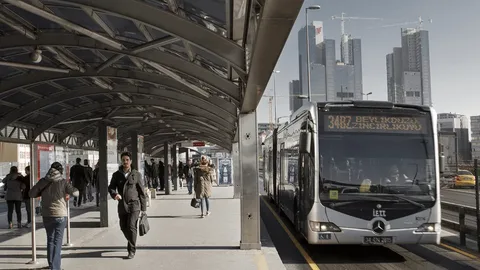
Transportation determines your daily efficiency.
Public Transport
The metro network expanded significantly by 2026. Combined with Marmaray, ferries, buses, and trams, it offers comprehensive coverage.
An Istanbulkart is essential for cost control.
Airport Access & Smart Arrivals
If you plan to live in the city for weeks or months, your arrival experience matters. After long-haul flights, navigating unfamiliar transport systems with luggage can be exhausting.
Many long-stay visitors prefer arranging istanbul airport transfer options for a smooth start. For those seeking additional comfort or traveling with equipment, istanbul airport vip transfer services offer a more controlled and time-efficient alternative.
On the Asian side, arrivals via Sabiha Gökçen often lead to searches for reliable saw transfer or sabiha gokcen transfer solutions, especially during peak traffic hours.
For residents and business travelers who prioritize punctuality and comfort throughout their stay, istanbul vip transfer options can simplify intercity or airport commutes significantly.
5. Digital Nomad Infrastructure in 2026
Istanbul has quietly become a digital nomad hub.
Internet & Connectivity
- High-speed fiber is common in central districts.
- Mobile data packages are affordable.
- Cafés and coworking spaces provide stable Wi-Fi.
Coworking Spaces
Popular in:
- Kadıköy
- Şişli
- Levent
- Karaköy
Monthly memberships vary, but flexibility is widely available.
Work-Life Balance
Few cities allow you to finish a morning of remote meetings and watch the sunset over the Bosphorus an hour later.
6. Healthcare and Safety
Private healthcare in Istanbul is advanced and relatively affordable compared to Europe or the U.S. Many hospitals offer English-speaking staff.
Safety varies by neighborhood, but major residential districts are generally secure. As in any large city, situational awareness is essential.
7. Lifestyle Costs: Beyond Survival
Living like a local means engaging with the city.
Fitness & Wellness
- Gym memberships vary widely.
- Yoga studios and pilates centers are common.
- Public parks and waterfront walking routes are free and scenic.
Cultural Life
Museums, concerts, art exhibitions, and theater performances run year-round. Istanbul’s cultural calendar is dense and diverse.
8. Exploring Deeper: Structured Experiences
Even long-term residents discover new layers through curated exploration.
Many locals and long-stay visitors occasionally join structured istanbul tours to gain historical or cultural depth in areas they might otherwise overlook.
For a more personalized experience, istanbul vip tours provide flexibility, tailored itineraries, and efficient time management particularly useful for business travelers or visiting guests.
9. Hidden Costs to Consider
- Currency fluctuations
- Seasonal rental increases
- Private transportation during peak traffic
- Imported goods pricing
- Heating costs in winter
Budget planning should include a contingency margin of 15–20%.
10. Sample Monthly Budget (Mid-Range Lifestyle, 2026 Estimate)
- Accommodation: Moderate central district rental
- Groceries: Local + occasional imported products
- Dining Out: 2–3 times per week
- Transportation: Public transit + occasional private transfer
- Coworking: Monthly membership
- Entertainment & Fitness: Standard participation
Total monthly living costs vary significantly by lifestyle, but Istanbul remains competitive compared to major European capitals.
11. Choosing the Right Neighborhood
Each district shapes your experience:
- Kadıköy: Creative, relaxed, strong café culture.
- Beşiktaş: Central, energetic, youthful.
- Şişli: Business-oriented, well-connected.
- Üsküdar: Traditional atmosphere, calmer pace.
Your daily commute time is often more important than your postal code.
12. Final Thoughts: Istanbul as a Long-Term Base
Istanbul in 2026 is not the cheapest city in the region but it offers unmatched diversity, cultural depth, and geographic uniqueness.
Living here like a local requires:
- Smart transport planning
- Neighborhood selection strategy
- Understanding seasonal cost shifts
- Balancing convenience with budget
For digital nomads, entrepreneurs, and extended-stay travelers, the city provides a rare combination: East and West, intensity and calm, tradition and innovation all within a single urban ecosystem.
The key is not just visiting Istanbul.
It’s learning how to move with it.