Qamer Javed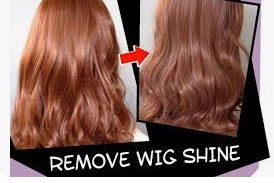
An overly shiny wig is one of the biggest giveaways that it’s not your natural hair—especially under bright lights or camera flashes. The good news is that there are several simple tricks to tone down shine and instantly make your wig look more natural and realistic, whether it’s synthetic or human hair.
Below is a practical, step‑by‑step guide you can follow at home, plus specific tips for different colors and textures.
Understand Why Wigs Look Too Shiny
Synthetic wigs are made from fibers like Kanekalon or other plastics that naturally reflect more light than human hair. Dark colors and very smooth textures tend to look the shiniest, especially when they’re brand new. Even some human hair wigs can appear too glossy if they’re coated with heavy products, silicone, or oil.
Your goal is to reduce surface shine and add soft, diffused texture, so the hair reflects light more like natural strands.
Step 1: Wash or Rinse to Remove Excess Coating
New wigs often have a factory coating that makes them extra smooth and glossy. A gentle wash or rinse can soften this.
For synthetic wigs:
- Fill a basin with cool water and add a small amount of synthetic wig shampoo or a gentle, sulfate‑free shampoo.
- Swish the wig gently; do not rub or wring.
- Rinse thoroughly in cool water.
- Apply a tiny amount of synthetic wig conditioner from mid‑lengths to ends if needed, rinse lightly.
- Pat dry with a towel and let it air‑dry on a stand.
For human hair wigs:
- Use lukewarm water and a moisturizing, sulfate‑free shampoo.
- Rinse thoroughly and follow with a light conditioner on the lengths and ends only.
- Avoid heavy oils or silicone‑rich serums at this stage.
This first wash often knocks the shine down noticeably, especially on darker shades.
Step 2: Use Powder to Mattify the Surface
One of the quickest ways to reduce shine—especially for synthetic wigs—is to use a light dusting of powder.
Types of powders you can use:
- Translucent face powder
- Baby powder (unscented if possible)
- Dry shampoo (for darker wigs, choose a tinted version if available)
How to apply:
- Place the wig on a stand or mannequin head.
- Lightly sprinkle or spray powder over the surface, focusing on the top and most visible areas.
- Use a wide‑tooth comb or your hands to work it through evenly.
- Shake or gently brush off any obvious residue.
Be conservative—adding too much powder at once can make the wig look dusty, especially on deeper colors. You can always add more if needed.
Step 3: Add Texture to Break Up Shine
Perfectly straight, flat hair tends to reflect light in a strong, mirror‑like way. Adding soft texture helps scatter light and makes the hair look more like real strands.
For straight or wavy wigs (heat‑friendly or human hair):
- Use a low‑heat curling iron or flat iron to create soft waves or bends.
- Avoid tight, uniform curls; aim for natural, irregular texture.
- Finger‑comb the curls to loosen them and create a lived‑in look.
For synthetic wigs that aren’t heat‑safe:
- Use foam rollers or flexi rods on slightly damp fibers and let them air dry.
- Gently finger‑separate the curls afterward; don’t over‑brush.
Texture works particularly well on trendy styles and colors. For example, a bob silver wig with a slightly tousled, matte wave will look far more believable and modern than the same wig worn pin‑straight and glossy.
Step 4: Choose the Right Products (And Avoid the Wrong Ones)
The products you use can either help or hurt your effort to reduce shine.
Helpful products:
- Dry shampoo: adds grip and a soft, matte finish.
- Texturizing spray: gives a slightly beachy, separated look that reduces uniform shine.
- Light leave‑in spray (for synthetic wigs): specifically formulated for synthetic fibers to keep them from looking plastic.
Products to use sparingly or avoid:
- Heavy oils and glossing serums (especially on synthetic hair).
- Silicone‑based shine sprays.
- Thick creams that coat the hair and build up over time.
When in doubt, start with less product; you can reapply as needed, but too much can be difficult to remove without a full wash.
Step 5: Make the Part and Hairline More Realistic
Even if you reduce the overall shine, a dense, plastic‑looking part or hairline can still reveal that you’re wearing a wig. Improving these areas makes the entire style appear more natural.
Tips for a realistic part:
- If possible, gently pluck a few hairs along the part to make it look more like a real scalp (only if the wig is designed for this and you feel comfortable doing it).
- Apply a small amount of matte eyeshadow, foundation, or powder that matches your scalp color along the part.
- Blend well so it looks seamless rather than like makeup sitting on top.
Tips for the hairline:
- Lightly flatten any overly puffy areas near the front with a low‑heat tool (for heat‑safe wigs) or by tying a scarf around the hairline while it cools after washing.
- Use minimal, natural baby hairs if you like them—avoid overly dramatic, shiny gelled edges that contrast with a matte hair look.
A realistic scalp effect and softly blended hairline can make even a budget wig look higher‑end.
Step 6: Consider Lighting and Background
Sometimes the wig itself isn’t the entire issue—lighting plays a big role.
- Avoid direct overhead or harsh flash lighting, which accentuates shine.
- Softer, diffused light (like daylight from a window or ring light with a diffuser) makes wigs look more natural.
- For photos and video, stand slightly off to the side of the strongest light source instead of directly in front of it.
Darker wigs under bright, cool lighting will always look shinier than lighter or textured styles, so adjust your environment when you can.
Tips for Different Textures and Colors
Different wigs need slightly different strategies.
For dark, straight wigs:
- These show shine the most, so rely on powder, dry shampoo, and added texture.
- A bit of subtle layering around the face can break up the surface and reduce the “helmet” look.
For light or bright colors:
- Pastels, blondes, and metallic shades naturally reflect light, but the shine looks less harsh than on solid black.
- Focus on soft waves or layers to keep the style from looking too flat or costume‑like.
For curly and coily wigs:
- These naturally show less shine because of their texture.
- The goal is to keep curls defined but not crunchy—avoid wet‑look gels and instead use lightweight mousse or foaming lotion (on human hair) to maintain matte definition.
- A well‑styled curly hd lace wig with soft, separated curls and a natural hairline often looks realistic even under bright light, as long as products aren’t overly glossy.
Long-Term Habits That Help
Over time, good maintenance will keep your wigs looking realistic:
- Wash only as needed; over‑washing can dry out fibers, while under‑washing allows product buildup and unnatural shine.
- Store wigs on stands or mannequins, covered with a satin scarf, to protect them from dust and friction.
- Rotate between multiple wigs if possible to extend the life and maintain the appearance of each one.
With a combination of gentle washing, smart product choices, texture, a realistic part and hairline, and mindful lighting, you can easily transform a shiny wig into a natural‑looking, wearable style. Instead of drawing attention for the wrong reasons, your wig will simply look like great hair.