Qamer Javed
Health and safety shape how well an industrial workplace runs. When workers feel safe, they move with more confidence and fewer mistakes. A clear system also protects your tools, machines, and overall workflow.
Understanding Core Health and Safety Requirements
Every industrial site follows rules that guide daily tasks. These rules help prevent harm and keep operations steady. With the right steps, your team knows what to avoid and what to report.
Legal Duties and Compliance Basics
Industrial businesses must follow provincial and federal laws that outline how workers should be treated and how machines should be handled. Keep records of inspections, training, and updates so you have proof when needed. Post notices in places that are easy for workers to see, and replace them when new rules are introduced.
Industry-Specific Standards
Different industries have their own added safety needs. They may focus on chemical handling, machine use, storage methods, or loading work. Regular audits help you find weak spots early and fix them before they cause accidents.
Creating a Structured Workplace Safety Plan
A clear safety plan gives workers direction throughout the day. It helps them react fast when something changes. Simple steps reduce confusion during stressful situations.
Risk Assessment and Hazard Identification
Start by checking areas where risks are common. Look at machines, electrical spots, walkways, and shelves. Identify loose parts, poor lighting, or untrained workers handling difficult tools. Once you find the issues, update the rules and share them with everyone so the correction works long-term.
Emergency Response Planning
A good emergency plan prevents panic during fires, spills, power loss, or sudden injuries. Workers should know where to exit, where to gather, and who to alert. Update the plan whenever your layout changes or new machines arrive. Make sure new workers learn the steps on their first day.
Training and Competency Development
Training helps workers stay sure of themselves and prevents many mistakes. Teach proper lifting, safe machine use, and chemical care. Keep notes on who completed training and who needs a refresher. When workers feel supported, they ask questions early and avoid unsafe actions.
Improving Machine and Equipment Safety
Machines must stay in good shape to keep people safe. Small problems can turn into larger accidents when ignored. A simple check can prevent long delays and injuries.
Regular Maintenance Checks
Build a maintenance schedule and follow it closely. Check belts, wiring, guards, and emergency stops. Write down every repair and inspection so you can track progress. These logs help you plan replacements before machines break down.
Safe Use of Powered Equipment
Some machines need extra care because they rely on pressure, force, or heat. Tools linked to a piston compressor should be handled only by trained workers. Show your team how to release pressure safely and store equipment in marked areas. Clear signs and simple rules prevent common mistakes in busy work zones.
Automation and Safety Benefits
Automation removes strain from workers and lowers the chance of human error. If your site uses collaborative robots, make sure your team knows how to move around them. A trusted cobot supplier can help you set limits and teach safe use. These systems protect staff while improving output.
Strengthening Worker Protection Measures
Workers stay safe when they have the right tools and understand how to use them. Small daily habits help prevent long-term injuries. These actions also build trust between workers and management.
Personal Protective Equipment (PPE)
Match PPE to the job, such as gloves, helmets, respirators, and hearing protection. Check each item often to make sure it works well and is not damaged. Replace worn gear right away. Store PPE in clean, easy-to-reach spots so no one struggles to find what they need.
Workplace Ergonomics
Ergonomic improvements help reduce pain and fatigue caused by lifting or repetitive work. Adjust benches, add padding, or change the order of tasks to reduce strain. Encourage workers to speak up if something causes discomfort. Early changes prevent long-term injuries and improve daily comfort.
Safety Culture and Employee Engagement
A good safety culture encourages open talk about hazards. Workers should feel comfortable reporting issues without fear. Reward staff who help keep the workplace safe. This builds habits that protect everyone, even during busy days.
Securing the Facility and Reducing External Risks
Your workplace also faces risks from outside sources. A secure site protects your equipment and keeps workers safe. Clear processes reduce threats that may not be obvious at first.
Access Control and Monitoring
Use IDs, gates, and cameras to manage who enters key areas. Some sites work with security companies in Toronto to improve monitoring and ensure safety after hours. Keeping logs of entries helps prevent unauthorized access. Review access lists often so they stay up to date.
Protecting Assets and Sensitive Areas
Store important tools, chemicals, and digital systems behind locked doors. Add alarms and sensors to track unusual activity. Tell workers who is allowed inside each area and why. Update these rules as your layout grows or new equipment arrives.
Environmental Health and Clean Work Practices
A clean environment makes it easier to move, organize, and stay safe. Simple cleaning habits prevent accidents and help the site run smoothly. These steps also protect air quality and worker comfort.
Air Quality Management
Good airflow removes dust, fumes, and unwanted odours. Replace filters on time and clean vents to keep the air fresh. Test the air often so you can fix problems early. Encourage staff to report any discomfort quickly.
Housekeeping and Waste Handling
Keep walkways open, floors clean, and shelves organized. Proper labels on waste bins help workers sort items safely. Clean spills right away and avoid clutter in busy areas. A steady cleaning routine prevents tripping and fire risks.
Chemical and Hazardous Material Handling
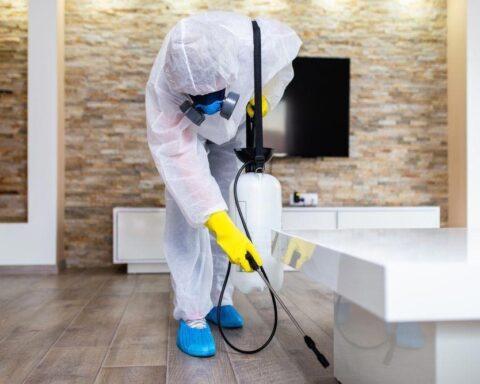
Store chemicals in sealed and labelled containers. Update safety data sheets once a year and keep them in a visible place. Install wash stations near areas where chemicals are used. Train workers on emergency steps before they handle any hazardous material.
Ongoing Monitoring and Continuous Improvement
Safety needs steady attention as the workplace changes. Regular reviews help keep standards strong. Simple updates prevent small issues from becoming big problems.
Safety Inspections and Internal Audits
Walk through the site often and check machines, storage spots, and safety tools. Look for leaks, worn equipment, or unstable shelves. Fix issues right away and record what was found. These steps help you maintain a steady and safe routine.
Using Data for Improvements
Track injuries, near misses, and equipment failures to find patterns. Use this information to adjust training or reorganize work areas. Share results with your team so they understand the reason for each change. This creates a workplace that improves over time.
Adapting to New Technology and Regulations
Review new laws each year and update your rules when needed. Add tools that reduce strain and help workers stay safe. Train your team right away so the transition is smooth. Early action helps avoid costly corrections.