Admin
Admin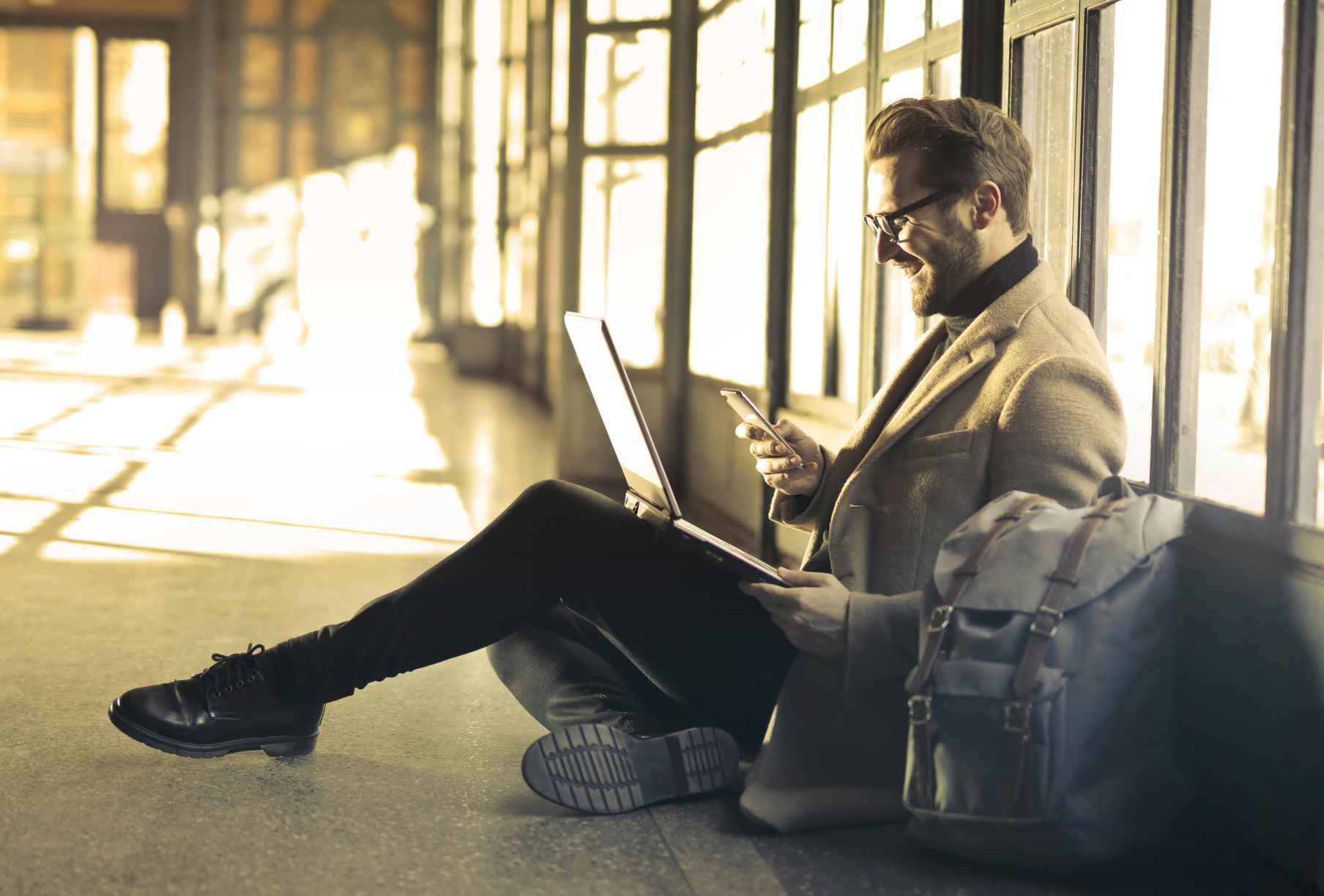
Traveling solo is brilliant for all sorts of reasons, one of the more appreciated bring you go where you want and don’t have to run that by anybody. It also means you can change plans on a whim, and you don’t have to compromise with anyone about what time to wake up or where to eat.
But of course, there’s also the reality that you’re responsible for everything, including keeping your stuff safe. Losing your phone or laptop when you’re abroad on your own can also completely derail your trip.
Most of us are pretty dependent on our devices these days and we find that out when they’re no longer available. Odds are your phone’s got your boarding passes, accommodation bookings, maps, contact details, and probably your bank cards too if you use Apple Pay or Google Pay. Your laptop or tablet might have work on it, or just personal items and memories you’d be devastated to lose. The thought of all that being stolen or damaged while you’re thousands of miles from home is enough to put anyone on edge.
Thankfully, you can massively reduce the risk of anything going wrong by having a few precautions in place. In this post, we intend to help you do that:
Don’t Flash Expensive Gear Around
This sounds obvious, but it’s worth saying anyway. Walking around with your phone out constantly, or sitting in cafes with your laptop prominently on display, or wearing expensive headphones that everyone can see all makes you more of a target. Thieves aren’t stupid even if what they’re doing might seem like a stupid life choice to us, as they’re looking for easy opportunities, and expensive-looking tech is exactly what they’re after.
Try to be discreet about when and where you’re using your devices. If you’re checking directions, step into a doorway or a shop instead of standing on a busy street corner with your phone held up in front of you. When you’re sitting somewhere public, keep your phone in your hand or pocket, not only lying on the table where someone could grab it and run. If you’re working on your laptop in a cafe, sit with your back against a wall so you can see people coming and keep your bag between your feet or looped around the chair leg.
Use A Good Quality Bag With Hidden Compartments
The bag you travel with can help here too. Some backpacks have with external pockets that anyone can unzip from behind, which can be safe, but aren’t great to keep your spare cash in. You ideally want something with compartments that sit against your back or has hidden zips, somewhere you can put your valuable items where they’re not easily accessible to other people.
A crossbody bag that sits in front of you is also usually better than a backpack if you’re in crowded areas, because you can keep an eye on it and feel if someone’s trying to open it. If you’re using a backpack, move it round to your front when you’re on busy public transport or in markets. It looks a bit touristy, but it’s better than getting pickpocketed because you didn’t want to look paranoid.
Keep Backups Of Everything Important
Before you leave, back up your phone and laptop properly. Use cloud storage for important documents, photos, and anything you’d be gutted to lose. Write down key phone numbers and keep them somewhere separate from your phone, because if it gets stolen, you’ll need to be able to contact people, and you won’t be able to if everything was stored in your contacts.
Take photos of your important documents too, including your passport details page, your travel insurance information, and your bank cards. Email them to yourself or save them somewhere secure online so you can access them if you need to. If your phone goes missing, you’ll be able to prove who you are and sort out replacements much more easily.
Don’t Leave Items In Your Accommodation
Hotel rooms and hostel dorms aren’t as secure as you might think. It’s natural that cleaners come in but you don’t know who they are all the time, and other guests might have access, sometimes people just walk in if you’ve not locked the door properly. Leaving your laptop or tablet lying around when you go out is risky, even in places that seem safe.
If your accommodation has a safe, use it. Put your laptop in there when you’re out for the day, or at least your passport and any backup devices. If there’s no safe, hide things in less obvious places, but not under the mattress or in the bedside drawer, that’s the first place anyone would look. Maybe in the middle of a pile of clothes, or at the bottom of your main bag, under your less expensive possessions. It’s not foolproof, but it’s better than leaving everything in plain sight.
Use Luggage Storage When You’re Between Accommodations
If you’re checking out of one place in the morning but not checking into the next until later, or you’ve a few hours to kill before your flight, you very much don’t want to be wandering around a city with all your belongings on your back. That includes your tech, which is vulnerable when you’re distracted or trying to navigate somewhere new while carrying too many items you don’t need at this moment.
Most cities have luggage storage services where you can leave your bags for a few hours or a full day, and they’re usually secure, insured, and cheap. If you can, drop your main bag there and just carry what you need for the day, like your phone and maybe a small camera. You’ll be more mobile with less stress, and your expensive laptop isn’t at risk of being knocked around or stolen while you’re trying to enjoy your last few hours in a city.
With this advice, we hope you can keep your tech safe while solo traveling, and you can continue to enjoy yourself as you explore on your own.