BlitZ
BlitZ
Introduction
Trade shows have long served as important platforms for companies seeking to present their products, meet potential clients, and strengthen industry relationships. However, the environment inside large exhibition halls is highly competitive. Hundreds of exhibitors often share the same space, all trying to capture the attention of visitors who have limited time and many booths to explore. Because of this competition, businesses must find ways to make their displays visually compelling and memorable.
Advances in display technology have significantly influenced how exhibitors approach booth design. Traditional banners and printed panels still play an important role, but many companies now incorporate digital screens and dynamic visuals to communicate their messages more effectively. These technologies allow brands to present information through motion, color, and storytelling rather than relying solely on static graphics.
Among the most impactful visual tools used in modern exhibitions are LED video walls. These large digital displays provide vibrant imagery that can be seen from across a crowded exhibition floor. By combining high resolution visuals with flexible design options, LED displays help exhibitors attract attention while delivering engaging content.
When integrated thoughtfully into booth environments, LED video walls do more than simply decorate a display. They support product demonstrations, highlight brand stories, and guide visitors into meaningful conversations. As trade show marketing continues to evolve, digital display solutions have become an essential component of creating engaging and effective exhibition experiences.
Why Visual Technology Is Changing Event Marketing
Event marketing has evolved significantly over the past decade as technology has reshaped how audiences consume information. Visitors attending exhibitions today are accustomed to digital experiences in their daily lives, from interactive websites to high quality video content on mobile devices. Because of this familiarity, traditional marketing methods alone may not always capture attention within a busy trade show environment.
Visual technology offers a powerful solution to this challenge. Digital displays, interactive screens, and large scale video presentations provide exhibitors with tools that immediately attract the eye. Motion graphics and dynamic visuals naturally stand out in a space filled with static signage. This ability to draw attention from a distance gives exhibitors a valuable opportunity to introduce their brand to passing attendees.
Another advantage of visual technology is its ability to communicate complex information quickly. Products that require detailed explanations can often be demonstrated more effectively through video than through written descriptions. Animated graphics, step by step demonstrations, and customer testimonials allow visitors to understand a product’s value within seconds.
Technology also enhances visitor interaction. Instead of simply reading printed materials, attendees can engage with digital content through touchscreens, live presentations, and immersive displays. These experiences often feel more engaging and memorable, which helps companies create stronger impressions during short trade show interactions.
As exhibitions become more competitive, businesses increasingly rely on visual technology to strengthen their presence on the show floor. Companies that combine thoughtful design with digital presentation tools often find it easier to attract visitors and communicate their message effectively.
For this reason, technology driven displays have become an important part of modern trade show strategies. When integrated carefully into booth design, visual technology supports both marketing goals and visitor engagement.
Understanding LED Display Technology in Exhibitions
LED display technology has become one of the most widely used visual tools in modern trade show exhibits. As exhibition environments grow larger and more visually competitive, companies increasingly rely on digital displays to capture attention and communicate information quickly. Unlike traditional projection systems or standard monitors, LED displays are built from modular panels that contain thousands of tiny light emitting diodes. These diodes generate their own light, which allows the screens to produce bright and vibrant visuals without relying on external light sources. This technology enables exhibitors to present dynamic content that remains clear even in the bright lighting conditions commonly found in convention centers.
One of the most noticeable characteristics of LED displays is their exceptional brightness. Exhibition halls are typically illuminated by powerful overhead lighting systems that ensure visibility across the entire event floor. While this lighting is necessary for safety and navigation, it can make certain types of displays difficult to see. LED panels overcome this limitation by producing strong light output and rich color contrast. As a result, images, animations, and video presentations remain sharp and visible even when viewed from across the exhibition hall. This visibility helps exhibitors attract the attention of attendees who are walking past their booth.
Another important advantage of LED technology is its modular flexibility. Instead of relying on a single large screen, LED displays are constructed from smaller panels that connect together to form a larger visual surface. This modular design allows exhibitors to build displays in many different shapes and sizes depending on the layout of their booth. Panels can be arranged to create wide video walls, curved screens, or other creative configurations that complement the exhibit design. This adaptability makes LED displays suitable for a wide variety of booth sizes and exhibition environments.
Image quality also plays a significant role in the popularity of LED displays. Modern LED panels are capable of producing high resolution visuals that remain clear and detailed even when viewed from short distances. This level of clarity allows companies to present product demonstrations, promotional videos, and brand storytelling content with impressive visual precision. Visitors can easily see details in product images or follow complex visual explanations without straining to view the screen.
Durability and reliability further enhance the value of LED technology in trade show settings. These panels are designed to operate for extended periods of time without interruptions, which is essential during multi day exhibitions. When installed and configured by experienced technicians, LED displays provide consistent performance throughout the entire event. Because of their brightness, flexibility, and reliability, LED displays have become a central feature in many modern exhibition booths that aim to create engaging visual experiences.
Benefits of Using LED Video Wall Rental Las Vegas for Large Events
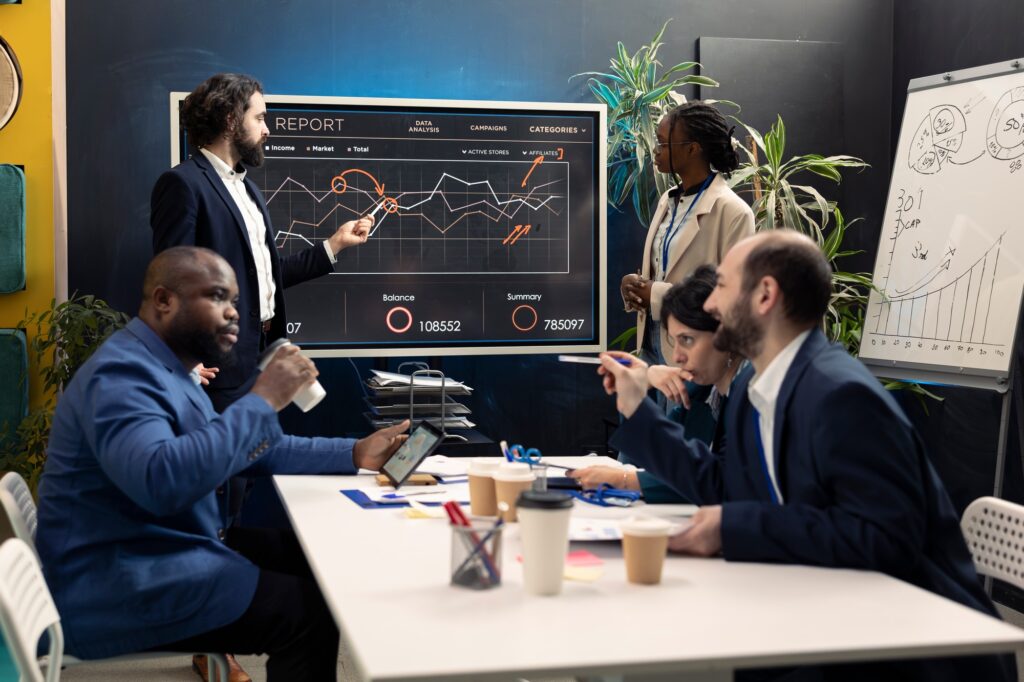
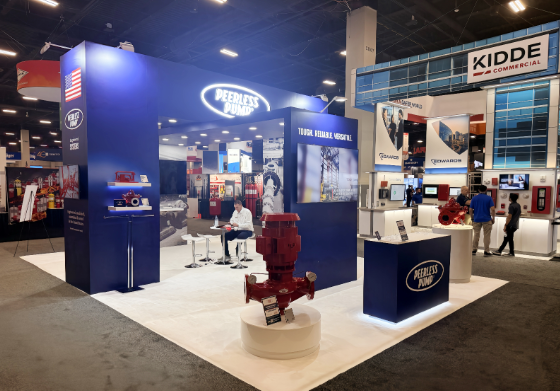
Large trade shows often place exhibitors in highly competitive visual environments. Attendees walk through exhibition halls filled with banners, product displays, and marketing materials from hundreds of companies. In such busy spaces, attracting attention requires presentation tools that communicate messages clearly and quickly. Digital display technology has become an effective solution for achieving this balance. LED video walls, in particular, allow exhibitors to present dynamic visuals that capture attention while supporting meaningful communication.
- Stronger Visual Impact in Busy Exhibition Halls: LED video walls help exhibitors stand out in environments where many displays compete for attention. Bright, high resolution visuals can be seen from a distance, drawing visitors toward the booth area. This increased visibility encourages attendees to pause and explore what the company is presenting.
- Flexible Access Through Rental Solutions: Many exhibitors choose options such as LED Video Wall Rental Las Vegas to incorporate advanced display technology without purchasing permanent equipment. Renting allows companies to select screen sizes and configurations that match their booth layout for each event. This flexibility is particularly useful for businesses that participate in exhibitions in different locations or booth formats.
- Integration with Full Service Exhibit Support: Trade show service providers in Las Vegas often offer more than display equipment alone. Some companies focus on designing custom exhibit booths that reflect each client’s branding and marketing goals. Their services may include developing three dimensional booth concepts, fabricating structural components, printing graphics, and coordinating transportation, installation, and dismantling.
- Professional Installation and Technical Assistance: LED video wall systems require careful assembly to ensure both structural safety and image quality. Experienced technicians typically handle panel configuration, wiring, and content playback systems during installation. This support allows exhibitors to focus on engaging with visitors rather than managing technical equipment during the event.
LED video walls have become valuable tools for exhibitors seeking to create memorable booth environments. Their ability to combine motion, color, and storytelling helps companies communicate messages in visually engaging ways. When used thoughtfully, these displays can enhance product demonstrations and brand presentations. Rental options make the technology accessible without requiring long term investment or storage considerations. As trade show environments continue to evolve, visually dynamic displays remain an effective way to attract interest and encourage meaningful interaction with booth visitors.
Capturing Visitor Attention in Crowded Exhibition Halls
Trade show floors are often busy environments filled with movement, conversations, and visual displays competing for attention. Visitors typically walk through aisles quickly while deciding which booths deserve a closer look. Because these decisions happen within seconds, exhibitors must create displays that immediately attract interest and encourage people to stop.
Visual scale is one of the most effective methods for capturing attention. Larger elements naturally stand out in crowded spaces, particularly when they rise above surrounding booths. Tall structures, overhead signage, and large display screens help brands become visible from across the exhibition hall. When visitors notice a booth from a distance, they are more likely to approach and learn more.
Movement also plays a critical role in attracting attention. Human vision naturally responds to motion, which is why animated visuals often draw the eye more effectively than static graphics. Video content displayed on digital screens can introduce a product, share a short brand story, or highlight key benefits within a few seconds.
Lighting contributes to booth visibility as well. Strategic lighting can highlight important areas such as product displays, presentation spaces, or interactive stations. Well placed lighting not only improves visibility but also creates an inviting atmosphere that encourages visitors to step inside the booth area.
Another important factor is clarity of messaging. Even the most visually impressive booth may struggle to engage visitors if its purpose is unclear. Exhibitors benefit from using concise headlines and straightforward visuals that quickly explain what the company offers. When visitors understand the message immediately, they are more likely to begin a conversation with booth staff.
By combining visual scale, motion, lighting, and clear messaging, exhibitors can create displays that stand out in crowded exhibition halls and draw visitors into meaningful interactions.
Creative Content Strategies for LED Display Screens
An LED video wall can attract attention, but the content displayed on the screen ultimately determines how visitors respond. Effective visuals should communicate a clear message while maintaining the viewer’s interest. Because trade show attendees often glance at displays while walking through the aisle, content must be designed to deliver information quickly and clearly.
Short video loops are one of the most effective approaches. Instead of playing long promotional films, exhibitors often use short sequences that highlight key product features, services, or brand messages. These brief clips repeat throughout the day so that visitors who pass by at different times can still understand the core idea. The goal is to provide information in small, engaging segments that capture attention without requiring a long viewing commitment.
Visual storytelling is another useful strategy. Companies can present a simple narrative that explains a challenge faced by customers and then demonstrates how their product or service provides a solution. Through carefully structured visuals, the display can guide viewers from problem to resolution within a few moments. This approach helps audiences connect with the message in a more meaningful way.
Many exhibitors also incorporate motion graphics and animated text to highlight key points. Animated visuals make it easier to emphasize product features, statistics, or benefits. When these elements are presented clearly, they reinforce the company’s message without overwhelming viewers with too much information.
Content planning should also consider the viewing distance of the display. Text and visuals must remain readable from across the exhibition aisle. Clear typography, high contrast colors, and simple layouts ensure that the message remains visible even in a busy environment.
When content is designed thoughtfully, LED displays become powerful communication tools rather than simple visual decorations. Strong visuals combined with clear messaging help companies attract attention and create memorable trade show experiences.
Integrating Video Walls with Booth Design Concepts
A video wall is most effective when it is integrated seamlessly into the overall booth design. Simply placing a large screen in the center of a display may attract attention, but it may not create a cohesive visitor experience. Successful exhibitors treat digital displays as part of the booth architecture rather than as separate elements.
One common design strategy involves using video walls as central focal points. By placing the display in a highly visible position, exhibitors create a visual anchor that draws visitors toward the booth. The surrounding layout can then guide attendees toward product demonstrations, information counters, or meeting spaces. This arrangement ensures that the display works together with other booth elements to support visitor interaction.
Video walls can also be integrated into structural features such as curved walls, towers, or large graphic panels. These designs create a unified visual environment where digital content blends naturally with printed graphics and architectural elements. When executed well, the booth appears more dynamic and immersive than traditional static displays.
Another important factor is maintaining balance between digital and physical components. While a video wall can deliver impressive visuals, visitors often want opportunities for hands-on interaction as well. Product samples, demonstration stations, and conversation areas should remain easily accessible within the booth layout. The video wall should enhance these experiences rather than replace them.
Lighting design also contributes to successful integration. Proper lighting ensures that the screen remains visible without overpowering the surrounding booth elements. Coordinating lighting with video content creates a visually harmonious environment that feels comfortable for visitors.
When digital displays and booth architecture work together, the result is a cohesive presentation that attracts attention while supporting meaningful engagement with attendees.
Technical Considerations for LED Display Installations
Installing an LED video wall inside a trade show booth requires careful technical planning. While the display itself may appear simple from a visitor’s perspective, several components must work together to deliver clear visuals and reliable performance throughout the event. Proper planning ensures that the system functions smoothly and avoids interruptions during busy exhibition hours.
One of the first technical factors to consider is screen resolution and pixel pitch. Pixel pitch refers to the distance between individual LED pixels on the display panel. Smaller pixel pitch values produce sharper images, which is especially important when viewers stand close to the screen. Selecting the correct pixel pitch helps ensure that text, graphics, and video content appear clear from both near and far viewing distances.
Another important element is power management. LED video walls require stable electrical connections to operate continuously during multi day events. Exhibition halls provide specific power allocations for each booth, and exhibitors must ensure that the display system operates within these limits. Professional technicians often coordinate with venue staff to confirm proper power distribution and equipment safety.
Content playback systems also play a critical role in display performance. Media servers or playback devices control the videos, animations, and graphics shown on the screen. These systems must be configured carefully so that content runs smoothly without interruptions or synchronization problems. Testing the system before the event begins helps prevent unexpected technical issues.
Structural support is another key consideration. LED panels are typically assembled into larger structures using specialized mounting frames. These frames must be installed securely to maintain screen alignment and ensure stability. Experienced installation teams handle this process to guarantee both safety and visual accuracy.
When technical requirements are addressed carefully, LED displays operate reliably throughout the exhibition. This preparation allows exhibitors to focus on interacting with visitors rather than troubleshooting equipment during the event.
Using Video Walls for Live Demonstrations and Presentations
Trade shows often involve more than static displays and printed materials. Many exhibitors conduct live demonstrations to show how their products function in real world situations. LED video walls provide a valuable platform for these demonstrations because they allow larger groups of visitors to clearly see what is happening.
One common use involves projecting product demonstrations onto the screen while a presenter explains key features. This approach allows attendees standing several rows away from the booth to follow the demonstration without difficulty. As a result, more people can participate in the experience, which increases overall booth engagement.
Video walls also support scheduled presentations throughout the day. Companies often create short presentations that introduce their products, highlight case studies, or explain industry insights. By announcing presentation times, exhibitors encourage visitors to gather at the booth for a focused learning session. These presentations can create moments of increased activity that attract additional passersby.
Live camera feeds can also enhance demonstrations. For example, if a presenter is showcasing a small product or performing a detailed task, a camera can capture the action and display it on the large screen. This setup allows everyone in the audience to see the details clearly, even from a distance.
Another advantage is the ability to combine live demonstrations with supporting visuals. Charts, animations, and short videos can appear on the screen alongside the presenter’s explanation. These visuals reinforce the message and make the presentation easier to understand.
By supporting both live interaction and visual storytelling, video walls help exhibitors transform simple demonstrations into engaging presentations that capture the attention of larger audiences.
Enhancing Brand Storytelling Through Digital Displays
Trade show booths provide companies with a limited window of time to communicate who they are and what they offer. Visitors often move quickly between displays, which means exhibitors must deliver clear messages in a short period. Digital displays, particularly large video screens, help brands present their stories in a way that feels engaging and easy to understand.
Storytelling begins with a clear structure. Many companies organize their digital content around a simple narrative that introduces a challenge faced by customers, followed by the solution their product or service provides. When this story unfolds through video or animation, it becomes easier for visitors to grasp the value of the brand. The visual format allows exhibitors to communicate information quickly without relying on long explanations.
Customer experiences often play an important role in this storytelling approach. Short testimonial clips, case studies, or visual summaries of successful projects can demonstrate how a company has helped real clients. These examples build credibility and allow visitors to imagine how the same solutions could apply to their own needs.
Digital displays also allow brands to highlight multiple aspects of their business within the same presentation. A rotating sequence of visuals may introduce company values, product benefits, industry expertise, and innovation highlights. Because the content loops continuously, visitors can enter the booth at any time and still understand the main message.
Consistency across visuals, messaging, and staff interaction strengthens the overall narrative. When booth representatives reinforce the themes presented on the screen, visitors receive a unified experience that feels organized and professional. This coordination helps brands leave a stronger impression during the event.
Through thoughtful storytelling and carefully designed visuals, digital displays help companies transform brief trade show encounters into meaningful brand experiences.
Conclusion
Trade shows continue to play an important role in connecting businesses with potential clients, partners, and industry professionals. Within the busy environment of large exhibition halls, capturing visitor attention requires more than traditional signage or printed materials. Visual technology has become an important tool for companies that want to stand out and communicate their message effectively.
LED video walls offer exhibitors a powerful way to attract attention while presenting information through dynamic visuals. Their brightness, scale, and flexibility allow companies to deliver engaging content that remains visible across crowded exhibition floors. When paired with thoughtful booth design and clear messaging, these displays help create environments that invite visitors to stop, explore, and interact.
Successful use of video walls involves more than simply installing a large screen. Effective strategies include developing compelling visual content, integrating the display into the booth layout, and ensuring that technical systems operate smoothly throughout the event. These elements work together to create experiences that feel organized and engaging for attendees.
As event marketing continues to evolve, digital display technology will likely remain an essential part of exhibition design. Companies that combine strong storytelling with innovative visual tools can create memorable presentations that resonate with visitors long after the event concludes.