Admin
Admin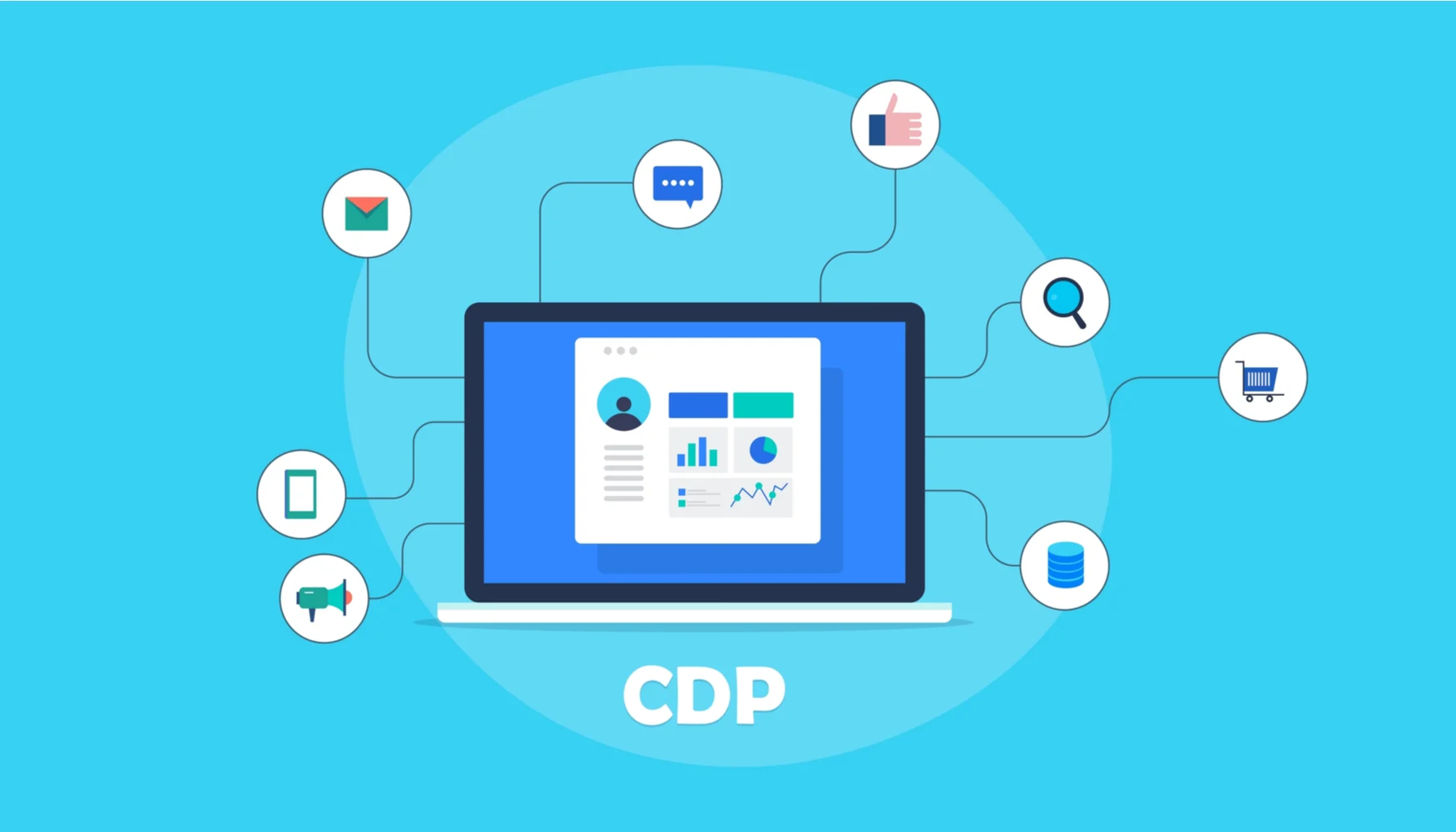
Retail organizations collect customer information from many points of interaction. Online transactions, store visits, mobile usage, and service requests generate steady data flows. Much of this information stays spread across systems. Teams find it difficult to turn it into usable insight. Personalization efforts remain uneven as a result. A CDP platform addresses this issue by bringing customer data into a single, usable structure.
A customer data platform organizes information across channels. It links identities and behaviors into one profile. The structure in place allows marketers to create a consistently personalized experience for their customers in a way that’s efficient and automated. With a CDP data platform, a brand can gain a much clearer view of its customers’ interests, timing, and purchase intent, which enables it to provide customers with a more personalized engagement experience.s
The Role of Customer Data in Personalization
Customer data underpins personalized experiences. It reflects preferences, routines, and buying signals. When data remains accurate and accessible, brands can respond with relevant communication. Without the ability to collect, organize, and unify the customer data, the value of the information and the experience is severely diminished. And when a customer has multiple data points, marketing, sales, and support do not see the full picture.
Each team works with a partial context. These disconnects weaken personalization and reduce trust. Customers receive generic experiences despite sharing information across channels.
A unified data approach reduces these gaps. A customer data management platform connects inputs from all sources. It produces a consistent customer profile. Teams reference the same information across functions. This shared view improves accuracy and consistency in personalization.
Enhancing Personalization with Customer Data Platforms
A customer data platform collects information from multiple systems and unifies it. It resolves identities and maintains a single customer record. This record supports analysis and activation. Personalization depends on having data that teams can access and apply.
A CDP data platform differs from traditional storage systems. It prioritizes real-time access and usability. Teams across marketing, analytics, and experience functions use the same platform. This shared access improves coordination and insight quality.
Below are seven ways a customer data platform supports audience understanding and personalization.
- Unified Customer Profiles
Customers interact across digital and physical channels. Each interaction produces separate data points. A CDP platform connects these into one profile. Teams see the full interaction history. This view improves relevance and timing. Personalization remains consistent across channels.
- Improved Data Accuracy
In most cases, there is duplicate (or inconsistent) customer data in the various databases used by a brand (sales, marketing, CRM, support). The customer data platform should resolve any duplicates or inconsistencies in the data and provide teams with a comprehensive view of the customer profile. Reliable data supports better decisions. A customer data management platform improves confidence in data use.
- Real-Time Segmentation
Effective personalization relies on current insight. A CDP data platform supports real-time segmentation. Teams groups audiences based on recent behavior and preferences. Segments update as interactions occur. Messaging aligns more closely with current intent.
- Behavioral Insight Over Time
Customer buying signals (intent) are influenced by how customers interact with a brand over time. The CDP provides data to teams on how the customer has engaged with the brand over a specific period of time. Teams may utilize this data to improve customer communication strategies (content & offers) and increase accuracy in anticipating the customer’s needs.
- Consistency Across Touchpoints
Customers become less trusting of brands when they have disjointed experiences. Using a CDP to coordinate the personalized experience across marketing, sales, and support will improve the relationship between all three teams by providing the same customer profile to each team. Each interaction reflects prior context. Customers receive aligned experiences. A customer data management platform supports brand consistency.
- Campaign Measurement and Feedback
Personalized campaigns depend on measurable outcomes. A CDP data platform links audience data with performance results. Teams review engagement by segment. Insights guide future adjustments. Over time, personalization becomes more structured and repeatable.
- Privacy and Consent Controls
Responsible data handling supports trust. A customer data platform records consent and preference details. Teams apply privacy rules consistently. Data usage aligns with regulatory requirements. A CDP platform supports compliant personalization practices.
Strategic Role of Customer Data Platforms
Customer Data Platforms are not limited to creating a personalized customer experience; they also provide the ability to manage a brand’s customer information in a more efficient manner.
A CDP creates a system for managing customer data that is consistent across departments, improving communication and coordination between departments, and lowering the number of instances when data is duplicated. Teams can respond with more context to customers in a timely manner.
Additionally, as data volumes continue to grow for brands, the structure and access for customer data will remain in place. Brands can continue to create a personalized experience for customers without adding additional burden to their operations. This foundation supports long-term operational stability.
Customer expectations continue to shift. Personalization now influences competitive positioning. A CDP data platform helps organizations respond with consistency. It turns data into practical insight that supports experience strategies.
Bottom Line
Customer data continues to expand in scope and volume. When it remains unorganized, personalization efforts weaken. A CDP platform provides structure and clarity. It helps brands understand audiences and deliver relevant interactions. This capability supports retention and long-term value.
Organizations that invest in customer data management gain a clearer operating foundation. A strong platform aligns data with business priorities. As personalization requirements evolve, customer data platforms will remain central to experience planning and execution.
Read More Gorod