Admin
Admin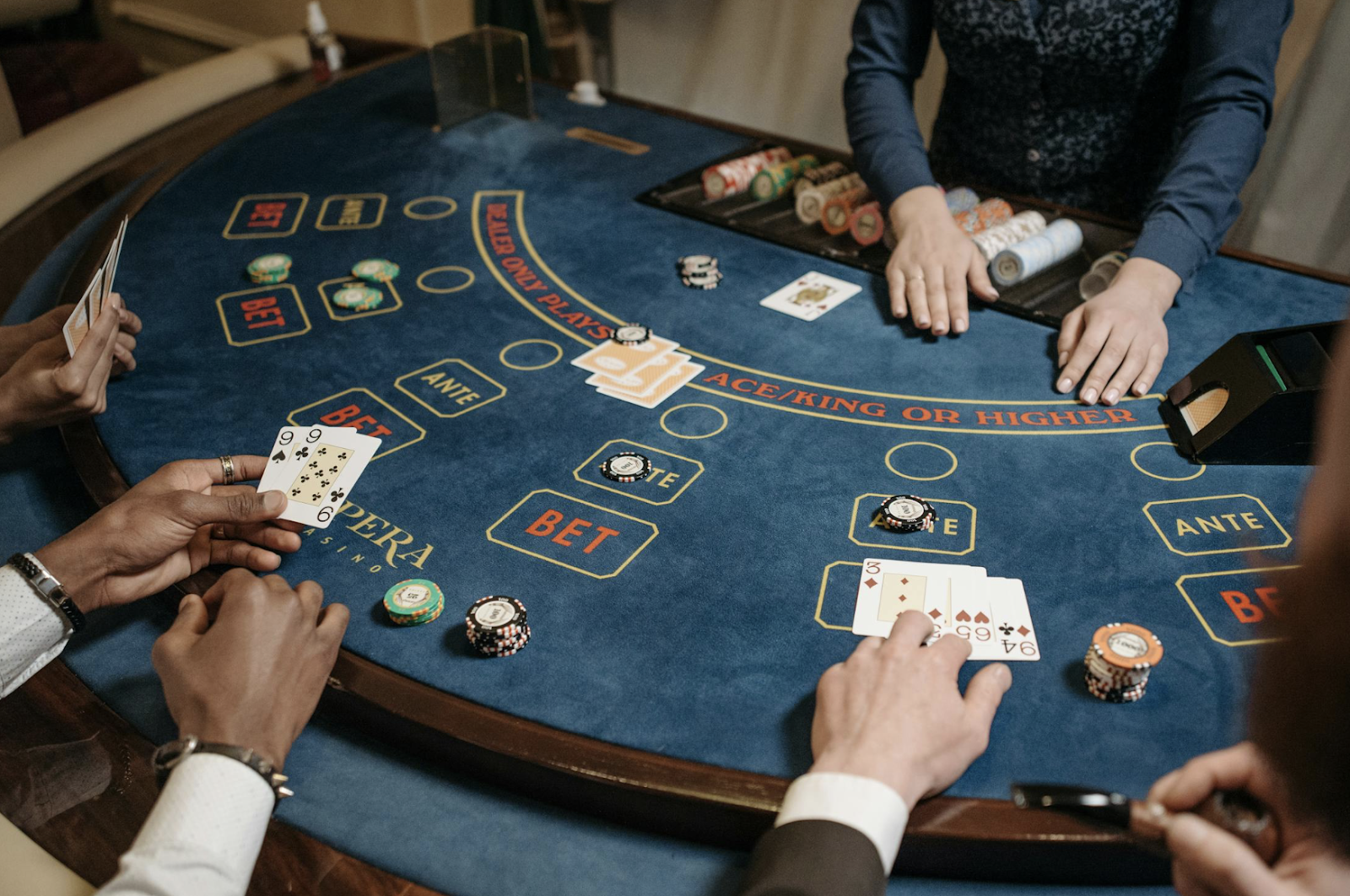
And why historic games still influence how we entertain ourselves today
Connect with any modern entertainment space today – such as a streaming platform, a game app, an interactive show – and you might not immediately notice it, but you’re surrounded by echoes of centuries-old play. This isn’t nostalgia for nostalgia’s sake. It’s a quiet truth: modern entertainment is strongly rooted in the social games that once filled candlelit parlours, smoky cafés, and lively teahouses around the world.
What makes this lineage fascinating is how perfectly these traditions slide into our contemporary habits. Long before algorithms curated our evenings, people gathered for collective amusement built on turn-taking, strategy, chance, and shared anticipation. Those mechanics didn’t just survive the centuries – they changed, migrated, and ultimately became the scaffolding on which today’s entertainment culture sits.
Entertainment has changed radically in its packaging, yet its structure remains surprisingly the same. No matter whether we’re watching a competition series, tapping through a puzzle app, or exploring digital interpretations of classic formats, we’re interacting with ideas that have been refined for hundreds of years. And when you look closely, the parallels between old and new forms of entertainment reveal something richer: a universal desire for structured play, social tension, and the thrill of unfolding possibilities.
This isn’t simply a history of games. It’s the story of how entertainment itself came to be – and we’ll be learning all about it.
How early games shaped social culture
Long before screens glowed in every home, the world’s entertainment pulse beat through salons, courts, marketplaces, and gathering rooms. Games were more than pastimes – they were cultural theater.
- In Europe, aristocratic salons celebrated games of deduction, memory, and wit.
- In the Middle East, bustling coffeehouses hosted spirited rounds of strategy-based board and tile games.
- Across Asia, intricate card and tile traditions evolved into highly codified social rituals, valued as much for etiquette as for gameplay.
These games offered structure in times when formal entertainment options were limited. They became rituals that shaped evenings and built communities. Their core mechanics (patterns, probability, decision-making) were shared languages across the ages.
And above all else, those mechanics didn’t fade with time; they simply adapted.
The timeless mechanics that still define entertainment
Strip away the production budgets and digital overlays, and modern entertainment still revolves around the same principles: anticipation, structured choice, suspense, and the pleasure of incremental mastery.
- Turn-taking became the backbone of competitive reality shows.
- Pattern recognition blossomed into the foundation of puzzle apps and mind games.
- Probability and calculated risk infused everything from quiz formats to interactive storytelling.
- Social tension and reveal moments migrated into panel shows, elimination rounds, and modern narrative arcs.
You can see this continuity clearly in contemporary digital formats such as online casino table games, where centuries-old structures are re-imagined through modern technology. The appeal isn’t accidental when you hop onto your favorite online casino table games – it’s rooted in the timeless pleasure of interactive decision-making. These mechanics last so well because they satisfy something fundamental about how we like to be entertained: we want a balance of familiarity and surprise, structure and possibility, clarity and suspense.
Many of the most popular casino table games reflect this – take poker, with its blend of strategy and luck, combined with social reading and bluffing, bringing together many elements of games from the past. Alternatively, roulette, with its luck-based momentum and thrilling anticipation. Or plunge into a classic like craps, and you’ll see the echoes of centuries of dice games sculpting this experience. There’s little doubt that these staples of casino fun have themselves evolved from games that pre-dated them, and that they continue to influence new games as time passes and developers explore their different facets.
The digital renaissance of classic play
Contrary to the fear that the digital age would flatten traditional forms of play, it has done the opposite. Technology has amplified them.
Contemporary entertainment platforms now offer a striking mix of classic and modern:
- Digital recreations of historical table and card formats
- Livestreamed interactive sessions that mimic the energy of social salons
- Game-inspired structures woven into shows, podcasts, and online series
The reason this renaissance works is simple: the underlying mechanics were already brilliant. Technology didn’t need to reinvent them – only reinterpret them.
As a result, audiences can now discover curated modern variations of age-old games with frictionless access and contemporary design polish. Visual interfaces have grown cleaner, pacing has become more dynamic, and the social element has been re-engineered to fit the rhythms of digital culture. That’s true in the casino and far beyond.
Even as screens mediate more of our entertainment, they haven’t diminished the essence of play. They’ve simply created new spaces for it.
What classic games reveal about our modern preferences
If you analyze today’s entertainment landscape, one truth stands out: the same instincts that drove people to gather around a table centuries ago are still shaping what we watch, play, and participate in.
1. We thrive on structured unpredictability
Humans don’t enjoy pure chaos, but we do love controlled uncertainty. That’s why formats built on chance, decision-making, and tension continue to dominate – look at roulette for an example.
2. We crave strategic engagement
Many of the most popular entertainment formats reward pattern-spotting, memory, and analytical thinking – traits cherished in classic games.
3. We value social tension
Classic games were social theater, and modern entertainment inherits that DNA. Whether we’re watching contestants bluff, negotiate, or outthink one another, we enjoy the spectacle of human dynamics under structured pressure. This is one of the key reasons poker has become such a staple game in so many people’s worlds.
4. We want shared cultural anchors
Just as classic games created communal rituals, modern entertainment thrives on shared references – recurring formats, familiar mechanics, and predictable rhythms that bring viewers together.
The preferences we express today are, in many ways, echoes of the players who gathered centuries ago for an evening of structured amusement. The appearance may be different, but the heartbeat is still the same, and keeps us coming back to these games again and again.
Why classic play still matters in entertainment today
Games have always been more than idle fun. They are cultural frameworks. They shape how we interact, how we compete, how we collaborate, and how we tell stories.
Modern entertainment didn’t discard these frameworks – it built on them.
As technology accelerates, we may find new forms of interaction, but the underlying mechanics of play are unlikely to disappear. They’ve survived every cultural shift so far, spanning across the globe. They will survive the next ones too.
Our entertainment culture may be digital, fast, and globally connected, but at its core, it’s still driven by the same principles that animated salons, teahouses, and cafés centuries ago.
The stages have changed. The screens are brighter. But the play – the heart of it – remains timeless.
If you’re curious to see how these classic mechanics continue to evolve in the digital era, explore the quick player-style quiz below. It’s a light way to trace how modern platforms – including the online casino space – have expanded their creative reach and even developed distinctive social media personalities along the way.
And what’s truly exciting? Imagining what might come next.
Read More Gorod