Admin
Admin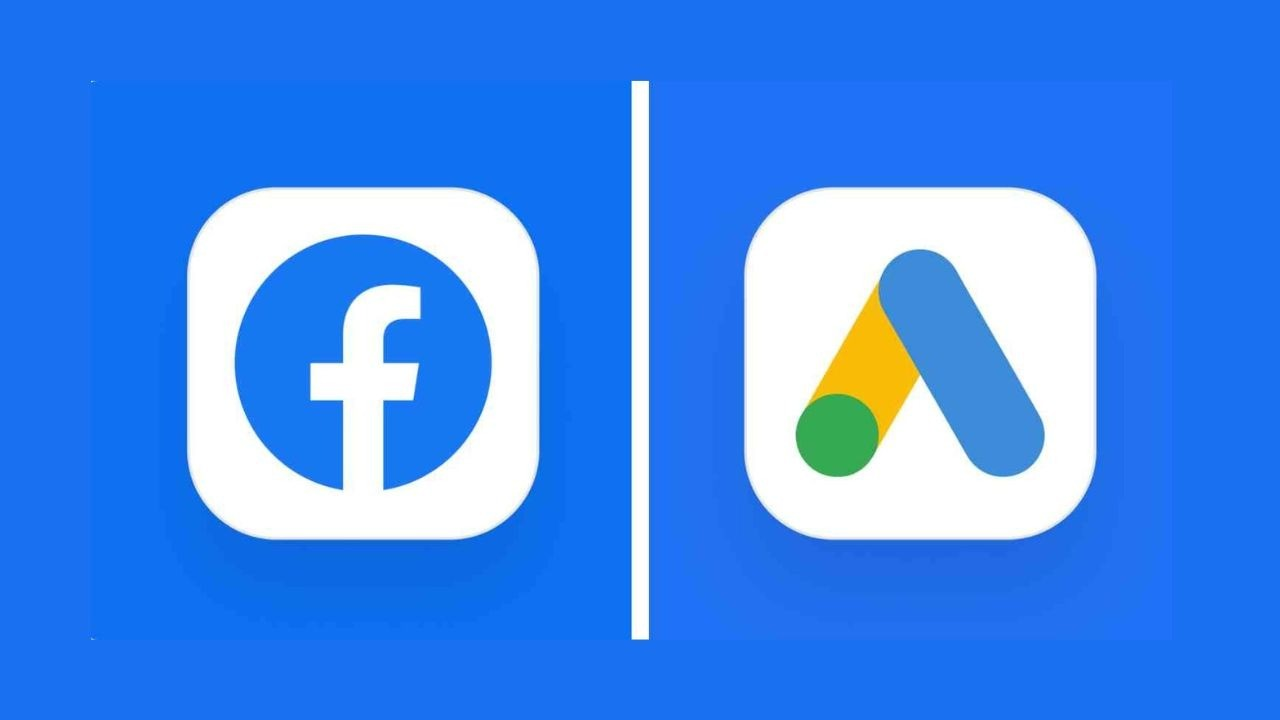
Local businesses face critical decisions when allocating advertising budgets between Google Ads and Facebook Ads platforms. Understanding the strengths, targeting capabilities, and ROI potential of each platform helps business owners make informed investment decisions that maximize their marketing effectiveness.
Platform Fundamentals: Intent vs Discovery
Google Ads captures high-intent users actively searching for specific products or services. When someone searches “Pittsburgh PPC management,” they’re demonstrating immediate purchase intent. Facebook Ads excel at creating awareness and reaching users who may not yet recognize their need for your services.
Targeting Capabilities Comparison
Google Ads Targeting Strengths
- Keyword-based intent targeting
- Geographic radius precision
- Device and time-of-day optimization
- Search partner network reach
Facebook Ads Targeting Advantages
- Detailed demographic profiling
- Interest and behavior targeting
- Custom audience creation
- Lookalike audience expansion
Cost Structure Analysis
Google Ads typically command higher cost-per-click rates but deliver users with higher conversion intent. Facebook Ads offer lower CPC rates but may require longer nurturing cycles to achieve conversions.
Average CPC Comparison (Local Markets)
- Google Ads: $2.50-$8.00 per click (service industries)
- Facebook Ads: $1.25-$3.50 per click (similar targeting)
Conversion Performance Metrics
Google Ads generally achieve higher immediate conversion rates due to high user intent. Facebook Ads excel at building awareness and nurturing prospects through longer sales cycles.
Industry Benchmark Data
- Google Ads average conversion rate: 3.75%
- Facebook Ads average conversion rate: 2.25%
- Google Ads average cost per conversion: $48.96
- Facebook Ads average cost per conversion: $62.50
Local Business Applications
Best Use Cases for Google Ads
- Emergency services
- Professional services (legal, medical)
- Home improvement contractors
- B2B service providers
Best Use Cases for Facebook Ads
- Retail and e-commerce
- Event promotion
- Brand awareness campaigns
- Community-based businesses
Budget Allocation Strategies
Most successful local businesses benefit from multi-platform approaches. A common allocation strategy involves 60% Google Ads for immediate conversions and 40% Facebook Ads for audience development.
Campaign Management Complexity
Both platforms require ongoing optimization, but Google Ads typically demand more technical keyword research and bid management expertise. Facebook Ads require stronger creative development and audience insights.
Professional Management Benefits
Effective campaign management on either platform requires continuous monitoring, optimization, and strategic adjustment. Many local businesses achieve better ROI through professional management services.
Businesses seeking expert Google Ads management benefit from working with certified professionals who understand both platform optimization and local market dynamics. Strategic campaign management consistently improves ROI and reduces wasted advertising spend.
Making the Right Choice
The optimal advertising platform depends on business goals, target audience behavior, and available budget. Most successful local businesses eventually develop integrated strategies that leverage both platforms’ unique strengths.
Platform selection should align with specific business objectives, customer journey mapping, and available resources for campaign management and optimization.
Read More Gorod