Hamza
Hamza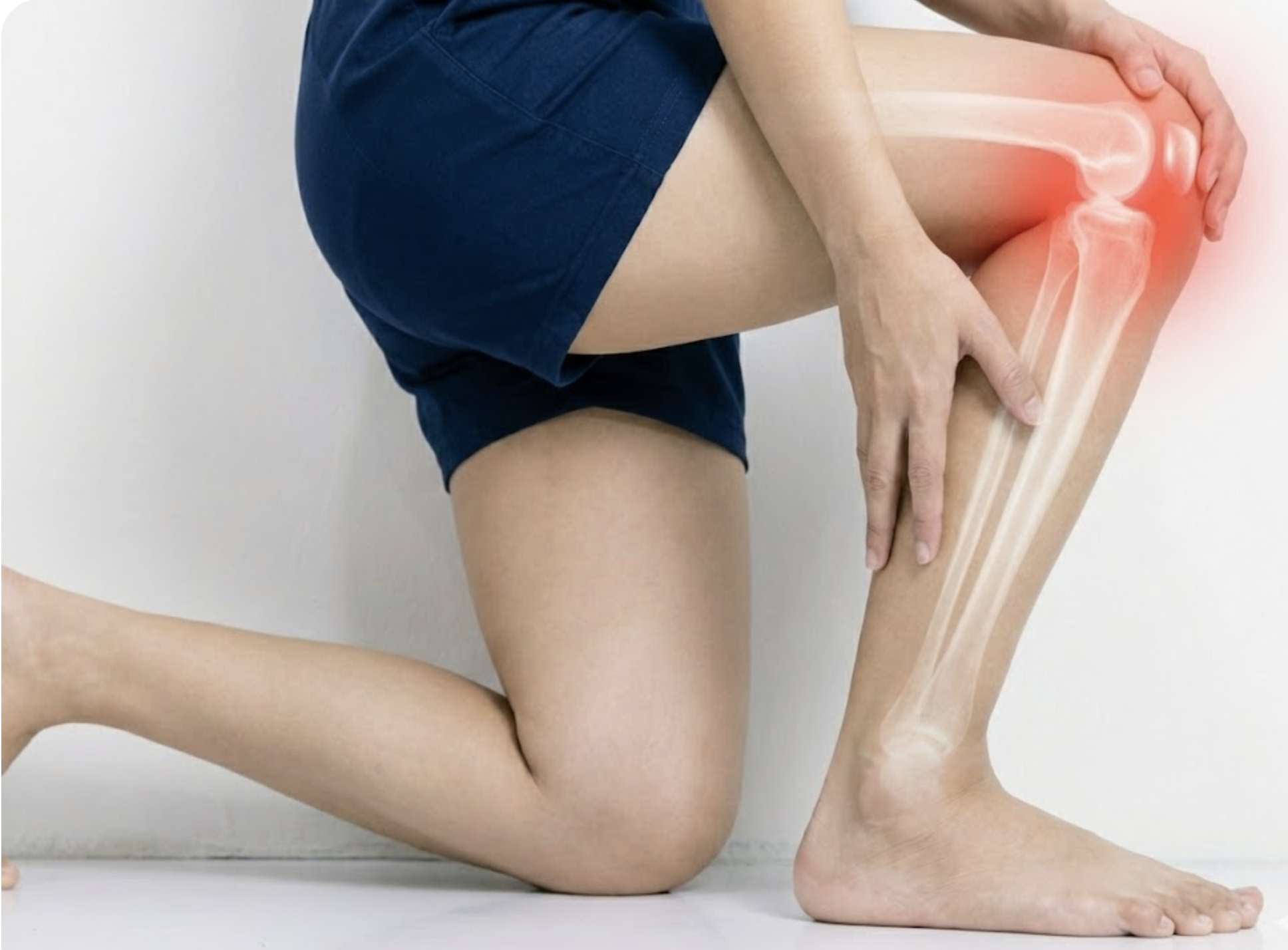
Inflammation is your body’s natural response to injury, infection, or harmful stimuli. While acute inflammation is essential for healing, chronic inflammation can quietly contribute to a wide range of health problems, including cardiovascular disease, arthritis, metabolic disorders, and even vocal strain in professional voice users. Managing inflammation is therefore key to maintaining long-term health and well-being.
Among the natural compounds gaining attention for their anti-inflammatory and antioxidant properties, astaxanthin stands out as particularly potent. Let’s explore what astaxanthin is, how it combats inflammation, and the latest clinical research supporting its use.
What Is Astaxanthin?
Astaxanthin is a naturally occurring carotenoid, responsible for the reddish-orange color in salmon, shrimp, lobster, and certain microalgae. Unlike many other carotenoids, astaxanthin is a powerful antioxidant and anti-inflammatory agent capable of protecting both the inner and outer layers of cells. Its unique molecular structure allows it to neutralize harmful free radicals, regulate inflammatory pathways, and support cellular health throughout the body.
Because of these properties, astaxanthin has been studied for its potential to support joint and muscle health, cardiovascular function, reproductive biomarkers, and even professional voice health.
How Inflammation Affects Your Body
Inflammation is a double-edged sword:
- Acute Inflammation: This short-term response occurs after injury or infection and helps tissues repair themselves. Symptoms include redness, swelling, pain, and warmth.
- Chronic Inflammation: When inflammation persists, it damages healthy tissues and contributes to serious conditions such as heart disease, arthritis, metabolic disorders, and vocal strain.
The challenge is reducing harmful chronic inflammation without suppressing the immune system—a balance that astaxanthin appears well-suited to achieve.
How Astaxanthin Reduces Inflammation
Astaxanthin helps combat inflammation through multiple pathways:
- Antioxidant Defense: It neutralizes free radicals that trigger oxidative stress, a major driver of chronic inflammation.
- Cytokine Regulation: Astaxanthin can reduce pro-inflammatory cytokines and other markers that perpetuate inflammation.
- Cell Membrane Protection: By embedding itself in cell membranes, it shields cells from oxidative damage that would otherwise trigger inflammatory responses.
- Immune Modulation: Astaxanthin supports immune balance, helping your body respond appropriately to threats without excessive inflammation.
Clinical Evidence Supporting Astaxanthin
Astaxanthin’s effectiveness is supported by human clinical trials.
1. Protecting Vocal Health in Professionals
A 2017 study in J Voice explored astaxanthin’s effect on vocal fold injury and inflammation in ten male professional voice users, such as singers and teachers 1. Participants took 24 mg/day of astaxanthin for four weeks.
The results were remarkable: participants experienced protection of the vocal folds from injury and inflammation caused by vocal loading, likely due to astaxanthin’s antioxidant activity, regulating oxidative stress. Phonatory parameters, including acoustic analysis and voice quality scores, remained stable even after vocal strain, while they worsened in participants not taking astaxanthin. Importantly, no adverse effects were reported.
This trial highlights astaxanthin’s ability to safeguard sensitive tissues from inflammation caused by repeated mechanical stress.
2. Reducing Inflammation in Women With PCOS
Polycystic Ovary Syndrome (PCOS) is associated with chronic low-grade inflammation, oxidative stress, and hormonal imbalances. A randomized, double-blind, placebo-controlled trial examined 56 women with PCOS who received 12 mg/day of astaxanthin or placebo for eight weeks 2.
The study showed that astaxanthin supplementation:
- Reduced the expression of inflammatory and endoplasmic reticulum (ER) stress-apoptosis genes in peripheral blood mononuclear cells (PBMCs), including GRP78, CHOP, XBP1, ATF4, and DR5.
- Supported cellular resilience and decreased inflammatory signaling pathways.
These findings suggest that astaxanthin may help manage inflammation and oxidative stress at the cellular level, even in complex endocrine disorders like PCOS.
3. Supporting Cardiovascular Health in Healthy Adults
A 2020 clinical trial assessed the effect of a combined supplement containing Cavacurcumin, Eicosapentaenoic acid (Omega-3), Astaxanthin, and Gamma-linoleic acid (Omega-6) (CEAG) in 80 healthy volunteers 3. Participants received the CEAG complex daily for four weeks.
Key findings included:
- Reduction in systolic blood pressure by 4.7 mmHg compared to placebo (p = 0.002)
- Significant decrease in high-sensitivity C-reactive protein (hsCRP), an important marker of systemic inflammation
- Blunted increase in IL-6, another key inflammatory cytokine
While the supplement included multiple ingredients, the presence of astaxanthin likely contributed to its anti-inflammatory and cardiovascular-supporting effects, demonstrating that astaxanthin can be effective as part of a combined anti-inflammatory strategy.
Other Potential Benefits of Astaxanthin
Beyond clinical trials, studies suggest additional benefits of astaxanthin:
- Joint and Muscle Health: May reduce inflammation in joints and muscles, supporting mobility and recovery 4.
- Cardiovascular Health: Decreases oxidative stress, improves blood vessel function, and lowers heart disease risk 5.
- Skin Protection: Protects skin cells from UV damage, enhances hydration, and promotes elasticity 6.
- Eye Health: Crosses the blood-retina barrier, protecting the eyes from oxidative stress and inflammation 7.
How to Incorporate Astaxanthin
Natural Sources:
- Salmon (wild-caught preferred)
- Shrimp and Lobster
- Microalgae (Haematococcus pluvialis)
Supplement Form:
Astaxanthin is available in softgels or liquid extracts. Look for natural, algae-derived astaxanthin for optimal absorption. Recommended doses in clinical trials range from 6–12 mg/day, depending on health goals.
Safety:
Astaxanthin is generally well-tolerated. Mild digestive discomfort may occur at high doses. Pregnant or breastfeeding individuals should consult a healthcare provider before supplementation.
Lifestyle Tips to Maximize Anti-Inflammatory Benefits
- Balanced Diet: Include fruits, vegetables, whole grains, and omega-3 fatty acids.
- Regular Exercise: Helps regulate inflammation and supports immune function.
- Adequate Sleep: Sleep deprivation triggers inflammatory responses.
- Stress Management: Mindfulness, yoga, or meditation helps reduce chronic inflammation triggers.
Conclusion
Astaxanthin is more than a vibrant pigment—it’s a potent anti-inflammatory and antioxidant compound. Clinical studies show it can protect vocal health, reduce cellular inflammation in PCOS, and support cardiovascular and metabolic health. Whether you are a professional singer, a fitness enthusiast, or someone managing chronic inflammation, astaxanthin offers a natural, scientifically supported tool to maintain your health.
Incorporating astaxanthin-rich foods or supplements into a healthy lifestyle can help combat chronic inflammation, protect cells, and enhance overall well-being.
Reference
- Kaneko, M. et al. Protective Effect of Astaxanthin on Vocal Fold Injury and Inflammation Due to Vocal Loading: A Clinical Trial. Journal of Voice 31, 352–358 (2017).
- Masoome Jabarpour, Fardin Amidi, Ashraf Aleyasin, Nashtaei, M. S. & Mojtaba Saedi Marghmaleki. Randomized clinical trial of astaxanthin supplement on serum inflammatory markers and ER stress‐apoptosis gene expression in PBMCs of women with PCOS. Journal of Cellular and Molecular Medicine 28, (2024).
- Divya Birudaraju et al. A combined effect of Cavacurcumin, Eicosapentaenoic acid (Omega-3s), Astaxanthin and Gamma –linoleic acid (Omega-6) (CEAG) in healthy volunteers- a randomized, double-blind, placebo-controlled study. Clinical nutrition ESPEN 35, 174–179 (2020).
- Earnest, C. P., Lupo, M., White, K. M. & Church, T. S. Effect of Astaxanthin on Cycling Time Trial Performance. International Journal of Sports Medicine 32, 882–888 (2011).
- Saeidi, A. et al. Astaxanthin Supplemented with High-Intensity Functional Training Decreases Adipokines Levels and Cardiovascular Risk Factors in Men with Obesity. Nutrients 15, 286 (2023).
- Ito, N., Seki, S. & Ueda, F. The Protective Role of Astaxanthin for UV-Induced Skin Deterioration in Healthy People—A Randomized, Double-Blind, Placebo-Controlled Trial. Nutrients 10, 817 (2018).
- Saito, M. et al. Astaxanthin increases choroidal blood flow velocity. Graefe’s Archive for Clinical and Experimental Ophthalmology 250, 239–245 (2011).