BlitZ
BlitZ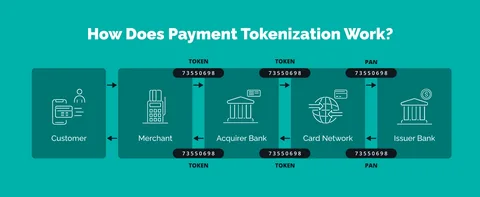
Card payments remain among the popular methods in the current digital economy. By the end of 2024, 447 crore credit card transactions were recorded in India with a total value of ₹20.4 lakh crore. In the first half of 2025 alone, 266 crore credit card transactions were made, valued at ₹11.1 lakh crore. While noticeably lower, debit card transactions were also significant.
With the growing digital economy, cyberattacks, data breaches, and fraudulent transactions pose threats to online financial security. Network tokenization has emerged as a response security model that replaces sensitive card details with secure tokens. Card networks like Visa, Mastercard, and so on are at the very centre of this security model by issuing, managing, and securing the tokens.
In this article, we will explore the role card networks play in network tokenization security models. Join us!
Card Networks in Network Tokenization Security Models
Network tokenization benefits multiple stakeholders:
For Merchants:
- Reduced fraud risk and liability due to the restricted PAN exposure.
- Lower compliance burden thanks to minimised PCI DSS scope.
- Improved customer experience via seamless payment continuity
For Issuers:
- Enhanced risk management with better transaction signals.
- Better control over card credential lifecycle with centralised token updates.
For Consumers:
- Reduced risk of data theft and fraud exposure.
- Fewer payment interruptions for recurring and saved-card transactions.
The process of network tokenization starts with the token provisioning flow. As a cardholder enters the details of the card before a transaction, checkout, or card storage, the data is transferred to parties, like merchants, gateways, acquirers (banks that process merchant transactions), third-party vault providers, and those that are registered with the card scheme for tokenization.
The card network creates a network token and shares it with the card issuer and the payment service provider. This token can then be used along with a cryptogram for authorisation. The registered parties send the token to the merchant, and the merchant can store it for future payments.
Why Card Networks are Essential for Network Tokenization Security Models
Here are different ways the card networks add to the tokenization security models:
1. Token Generation and Provisioning
Card networks are responsible for the first step of network tokenization, which is token provisioning. Since card networks connect the card issuers, acquirers, merchants, and payment platforms, they are the ones that issue tokens accepted across the different payment infrastructures.
2. Maintaining Token-to-PAN Mapping
An important task of card networks is to manage a secure backend mapping between the original PAN and the network token. This mapping is never shared with merchants, which helps reduce breach risks.
When the card needs to be reissued, updated, or renewed, the mapping between the original and substitute cards gets updated by the payment card network. Consequently, it allows a business to continue making payments via the payment token on the payment card network.
3. Supporting Secure Transaction Flows
During a transaction, the card networks serve as the central routing-and-validation point. In token-based transactions:
- The merchant sends the network token and the cryptogram to the payment gateway.
- The gateway forwards the request for authorisation to the card network.
- The transaction is then routed for approval by the card network.
In the case of merchant-initiated transactions such as recurring transactions, only the network token is necessary. Customer-initiated transactions require the generation of a new cryptogram through a registered third party. Card networks set the rules regarding security standards for transactions.
4. Security and Performance Improvement
Card networks have a critical role in enhancing both security and performance in the network tokenization models.
Reduced Exposure of Sensitive Card Data
With network tokenization, the actual card number is replaced by a token. It means merchants are no longer storing or processing sensitive details. This mechanism greatly reduces the risk and impact of data breaches, since compromised tokens cannot be reused outside their intended environment.
Domain-Restricted and Encrypted Tokens
Card networks issue tokens that are bound to specific merchants, devices, or channels. Encryption, cryptographic validation, and these domain controls make tokens unusable if intercepted, further strengthening protection against unauthorized transactions.
Lower Fraud Rates
Fraud becomes more difficult because network tokens cannot be freely reused and do not expose the underlying card details. Network-level validations, along with contextual checks, also help in reducing the chances of fraud, especially where cards are used not physically or in digital transactions.
Enhanced Authorisation and Approval Rates
The tokens issued and managed by the card networks offer additional verification information to the issuers during the authorisation request. This increased confidence often leads to higher approval rates and fewer false declines, improving transaction success.
Automatic Card Updates and Improving Customer Experience
Card networks are responsible for the token lifecycle, which enables a token to remain valid in case of a card issuance or expiration. This minimises payment failure instances and provides a better customer experience.
Less Compliance and Operating Costs
Network tokenization reduces PCI DSS compliance requirements as it eliminates PAN storage. Along with decreased PCI DSS compliance efforts, merchants benefit from lower fraud-related costs and improved operational efficiency.
Regulatory and Industry Momentum
Regulators from across the globe are realising the potential of tokenization in improving the safety of payment and minimising the risks of securing sensitive information. Rather than emphasising the safety of the stored card information, the approach is changing to restrict the use of card details.
In India, for example, the Reserve Bank of India has formally permitted card tokenization services to be provided by authorised card networks. By this mechanism, card network providers are to be responsible for the issuance of tokens, lifecycle management, and risk management. This has created clarity for banks, merchants, as well as payment service providers for adopting network tokenization.
Conclusion
Network tokenization is a much-needed transformative advance for securing card information and, in extent, transactions. Card networks actively take part in issuing and managing the tokens. With this, compliance required for card data storage can be eliminated, fraud can be limited, and digital payments can become more resilient.