BlitZ
BlitZ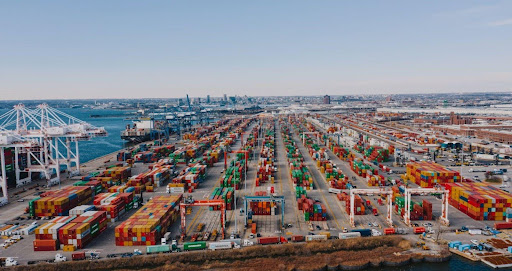
Buying a shipping container locally sounds simple at first, but many buyers quickly discover that it can be confusing, expensive, and risky without the correct information. Prices vary widely, quality is inconsistent, and misleading listings are more common than most people expect. Whether you need a container for storage, construction, business use, or a long-term project, understanding how the local market works is essential.
This guide explains how to buy shipping containers locally, innovatively, and practically. You’ll learn what prices to expect, how to evaluate container condition, where to find reliable local sellers, and which costly mistakes regularly trap first-time buyers. By the end, you’ll be able to make an informed decision with confidence instead of guesswork.
Why Buying Shipping Containers Locally Is Usually the Best Option
Local purchases give buyers a level of control that online or long-distance transactions simply cannot match. When you buy locally, you can physically inspect the container, confirm its condition, and verify that the seller actually owns what they are selling. This alone eliminates many of the most common container scams.
Buying locally also helps reduce transportation costs. Shipping containers are large, heavy units that require specialised trucks and equipment. When a container is moved across long distances, delivery fees can easily exceed the container’s purchase price. Local sellers usually offer lower delivery rates or allow self-pickup, which can save a significant amount of money.
Another advantage of buying shipping containers locally is speed. Local suppliers often have inventory ready for immediate delivery, while online sellers may involve long wait times, third-party logistics, or unexpected delays. For buyers who need a container quickly, local purchasing is often the most practical choice.
Understanding Local Shipping Container Prices
One of the biggest questions buyers ask is how much shipping containers cost locally. The answer depends on several factors, including container size, condition, availability, and proximity to ports or transportation hubs.
A standard 20-foot shipping container is the most commonly purchased option for local buyers. Used 20-foot containers that are wind and water-tight typically fall within a mid-range price, making them suitable for storage or basic utility purposes. Containers that are certified as cargo-worthy tend to cost more due to their structural integrity and compliance with shipping standards. New or one-trip containers command the highest prices because they have minimal wear and a longer lifespan.
Forty-foot containers are more expensive due to their size and higher transportation costs. However, buyers who need additional storage space or plan to convert a container for commercial use often find the extra cost worthwhile. Prices fluctuate with regional supply and demand, with areas near major ports usually offering better deals due to higher container turnover.
Local pricing also varies seasonally. Demand often increases during construction peaks, which can push prices upward. Buyers who are flexible with timing may find better pricing during slower periods.
New vs Used Shipping Containers: Making the Right Choice
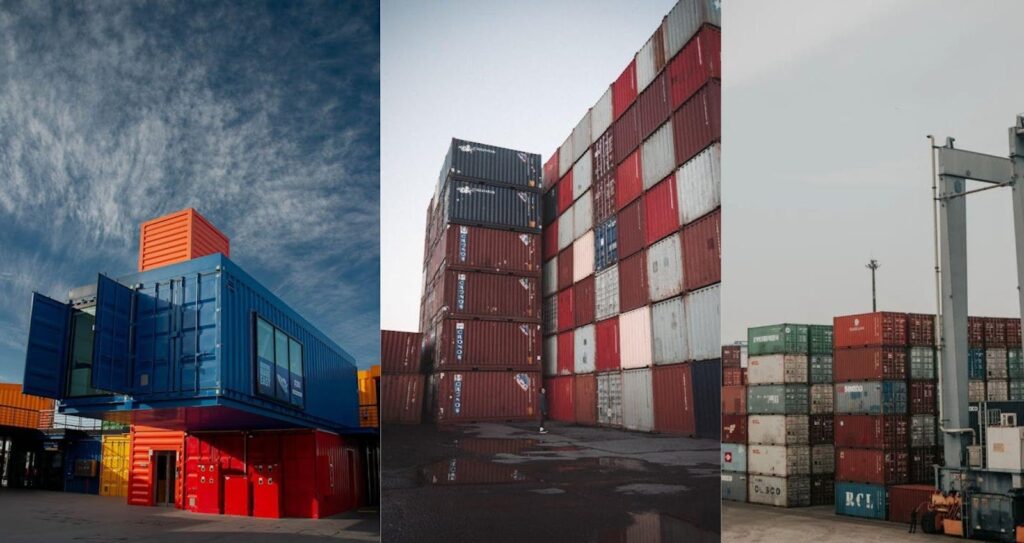
Choosing between a new and used shipping container depends on how you intend to use it. New containers, often called one-trip containers, are nearly pristine. They have made only one overseas journey and typically show minimal signs of wear. These containers are ideal for projects where appearance matters, such as container homes, retail units, or office spaces.
Used shipping containers, on the other hand, offer excellent value for buyers who prioritise function over aesthetics. Many used containers remain structurally sound and weatherproof despite visible dents or surface rust. These imperfections rarely affect performance, especially for storage or industrial use.
For most local buyers, a used wind- and water-tight container offers the best balance between cost and reliability. It is important to remember that cosmetic flaws are common and acceptable, while structural damage is not.
Where to Buy Shipping Containers Locally
Finding a trustworthy local seller is just as important as choosing the correct container. Local container dealerships are often the safest option, as theyspecialisee in container sales and typically offer standardised grading, delivery services, and limited warranties.
Shipping depots and yards sometimes sell surplus containers directly to the public. These sellers can offer competitive prices, but buyers must be extra cautious and conduct thorough inspections. Some depots sell containers “as is,” which can be risky for inexperienced buyers.
Online marketplaces can also connect buyers with local sellers, but they come with a higher risk. Listings that advertise unusually low prices or require payment before inspection should be treated with extreme caution. Legitimate sellers are usually transparent about location, condition, and inspection availability.
Construction and industrial suppliers occasionally sell containers as part of surplus inventory. These containers are often well-maintained and suitable for commercial use, making them a solid option for business buyers.
How to Inspect a Shipping Container Before Buying
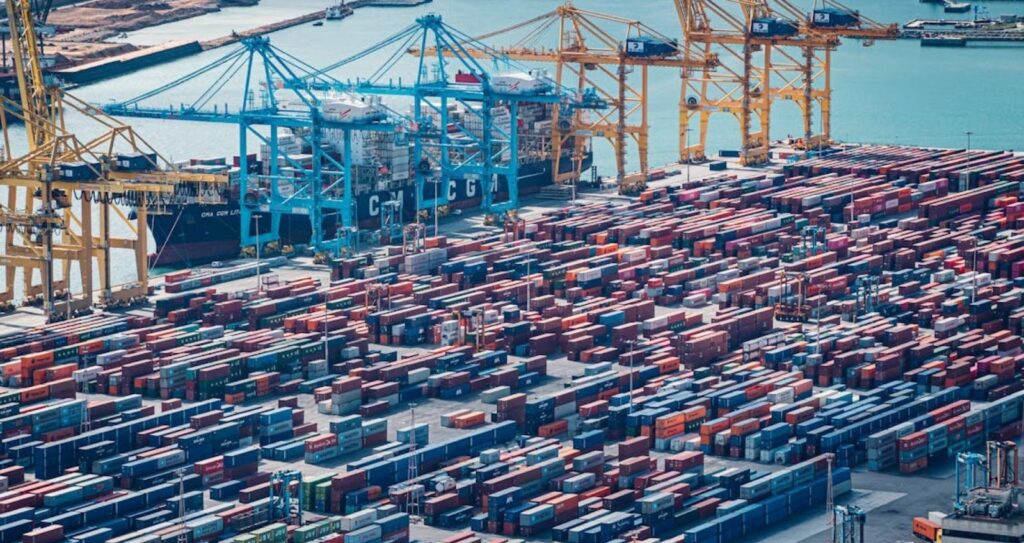
Inspecting a shipping container in person is one of the most critical steps in the buying process. Even containers labelled as wind- and water-tight can have hidden issues if they are not properly maintained.
Start by examining the roof. Dents on the roof can trap water and eventually lead to leaks, even if no leaks are visible at the time of inspection. A structurally sound roof should appear relatively flat with no deep indentations.
Next, check the doors. Container doors should open and close smoothly without excessive force. Bent locking rods or misaligned doors often indicate structural twisting, which can be difficult and expensive to fix.
The interior floor deserves close attention. Most shipping containers have marine-grade plywood flooring, which is durable but can absorb odours or chemicals over time. Soft spots, strong smells, or visible damage may indicate contamination or rot.
Finally, perform a simple light test. Close the container doors from the inside and look for pinholes of light. Small points of light may seem minor, but they can become serious water entry points during heavy rain.
Shipping Container Condition Grades Explained
Understanding condition grades helps buyers avoid confusion and overpayment. New or one-trip containers are the highest grade and are usually priced accordingly. Cargo-worthy containers meet international shipping standards and are certified for transport, making them suitable for long-term use.
Wind- and water-tight containers are the most common choice for local buyers. These containers are no longer certified for overseas shipping but remain weatherproof and structurally sound.
As-is containers are the lowest grade and often the cheapest. These units may have leaks, damaged floors, or structural issues. As-is containers are not recommended unless the buyer has experience with repairs or plans to use the container for parts.
Hidden Costs That Catch Buyers Off Guard
Many buyers focus solely on the container’s purchase price and overlook additional costs that can significantly impact the total budget. Delivery is often the most significant hidden expense. Specialised trucks, crane placement, and rugged terrain can substantially increase delivery fees.
Site preparation is another commonly overlooked cost. Containers require a level foundation to prevent twisting and long-term damage. Gravel pads, concrete blocks, or concrete slabs may be necessary depending on the site.
Local regulations can also add unexpected expenses. Some municipalities require permits or zoning approval, particularly for permanent placement or modified containers. Failing to check local regulations can lead to fines or forced removal.
Modifications such as adding doors, windows, insulation, or electrical systems can quickly raise costs. Buyers should plan these upgrades rather than treating them as afterthoughts.
Costly Mistakes to Avoid When Buying Shipping Containers Locally

One of the most common mistakes buyers make is paying in full before inspecting the container. Legitimate sellers rarely pressure buyers to send payment without allowing an inspection. Any seller who refuses an in-person visit should be avoided.
Another frequent mistake is underestimating delivery access. Large trucks need sufficient space to manoeuvre and safely unload containers. Tight access points, overhead obstacles, or soft ground can result in extra fees or failed deliveries.
Some buyers also purchase containers that are larger than they actually need. While extra space may seem appealing, larger containers cost more to deliver, place, and modify. Carefully measuring your site before buying can prevent unnecessary expenses.
Falling for prices that seem too good to be true is another costly error. Incredibly low prices often indicate scams, damaged containers, or misleading listings.
How to Get the Best Deal When Buying Locally
Getting a fair deal on a local shipping container involves research, patience, and negotiation. Comparing multiple local sellers helps establish a realistic price range and reveals which sellers are transparent and professional.
Flexibility can also lead to savings. Buyers who are willing to accept cosmetic imperfections often pay significantly less without sacrificing functionality. Timing matters as well, as prices may drop during slower seasons.
Asking detailed questions about container history, condition grading, and warranties signals to sellers that you are an informed buyer. This often leads to more honest pricing and better service.
Why “Near Me” Searches Matter When Buying Containers
Many buyers begin their search with phrases like shipping containers near me or buy shipping containers locally. These searches reflect the importance of proximity, inspection access, and reduced delivery costs.
Understanding how sellers position themselves locally can help buyers identify reputable businesses with established inventories. Local SEO visibility often correlates with legitimate operations, mainly when supported by physical locations and customer reviews.
Are Used Shipping Containers Safe and Reliable?
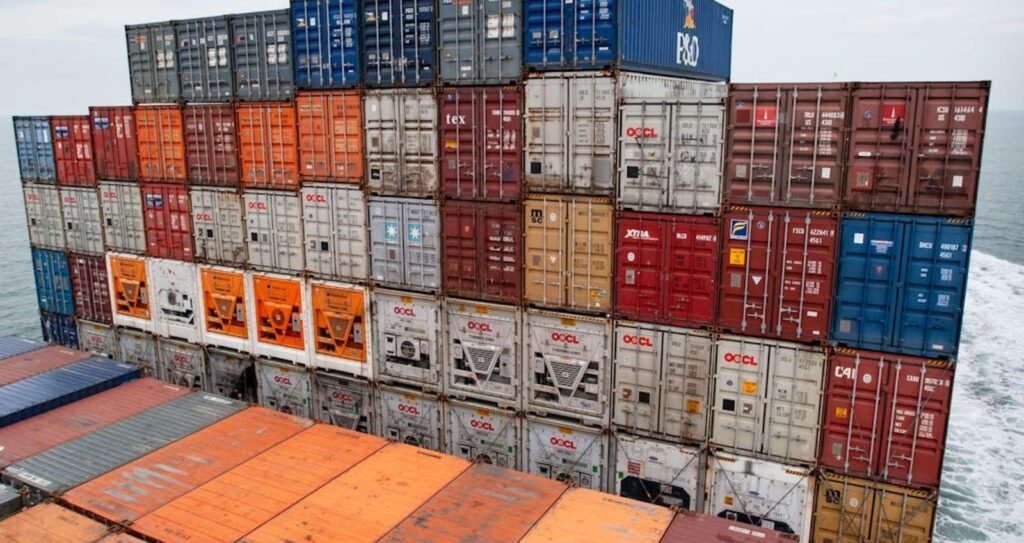
Used shipping containers are generally safe and reliable when properly inspected. These units are designed to withstand harsh ocean conditions, heavy stacking, and long service lives. A well-maintained used container can easily last decades in stationary use.
The key is ensuring that the container is structurally intact, free from active leaks, and appropriate for its intended purpose. Buyers who take the time to inspect and verify the condition rarely experience serious issues.
Long-Term Considerations After Purchase
Once you’ve purchased a container, proper placement and maintenance are essential for long-term performance. Keeping the container elevated prevents moisture buildup and rust. Periodic inspections help identify minor issues before they become costly problems.
If the container is to be modified, carefully planned upgrades can extend its lifespan and improve functionality. Proper ventilation, insulation, and weatherproofing are crucial for containers used as living or working spaces.
Final Thoughts: Is Buying Shipping Containers Locally Worth It?
Buying shipping containers locally is often the most innovative approach for both first-time and experienced buyers. Local purchasing allows for inspection, reduces transportation costs, and provides greater transparency throughout the process.
While prices vary and hidden costs exist, informed buyers who understand container grades, inspection methods, and local market dynamics can secure excellent value. By avoiding common mistakes and planning, you can invest in a shipping container that meets your needs without unnecessary risk or expense.
If you are considering buying a shipping container near you, take your time, compare options, and trust verified local sellers. A careful approach today will save money and frustration in the long run.