World rankers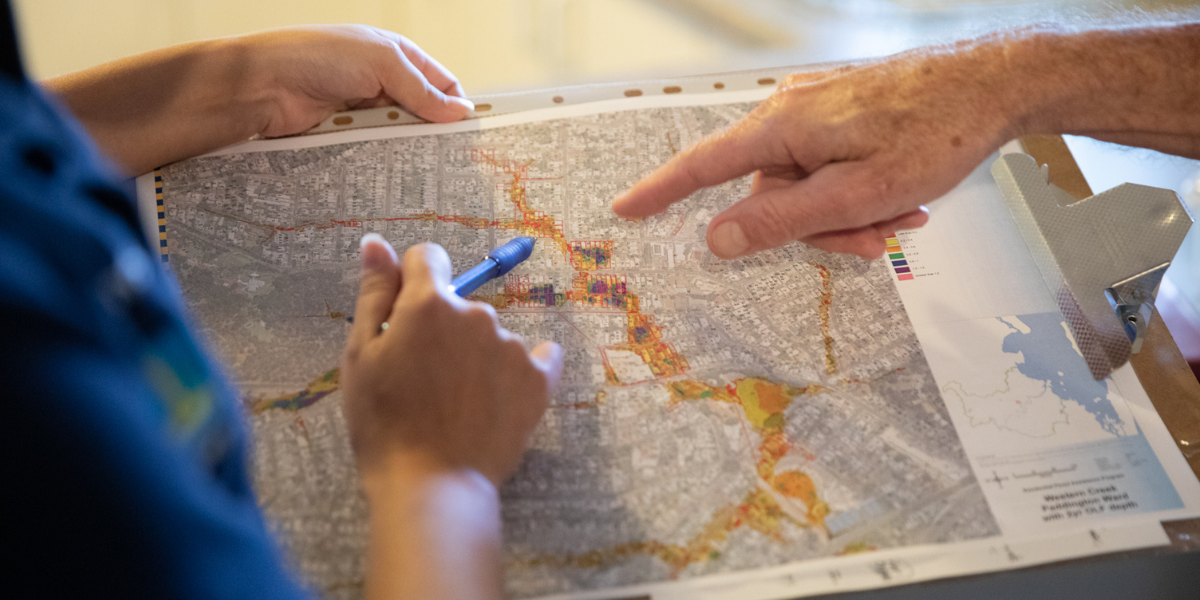
Building a resilient home in regions susceptible to flooding requires rigorous planning and meticulous attention to detail. Utilising resources such as the Floodwise Property Report allows homeowners and property developers to comprehensively understand potential flood risks, particularly in areas like Brisbane and the Gold Coast, which are prone to water-related disasters.
Understanding the Importance of Flood Risk Assessment
A Floodwise Property Report provides essential information concerning the flood risk status of a particular location. It is an invaluable tool for understanding the specific inundation hazards that may affect the property, enabling the creation of strategic plans to mitigate these risks effectively.
Regions such as Brisbane and the Gold Coast experience significant flooding events due to their geographical locations. The Brisbane Flooding history has demonstrated the necessity for comprehensive flood risk assessments. Coupled with appropriate due diligence, these reports can significantly contribute to safeguarding investments in property development.
Key Elements of a Floodwise Property Report
A comprehensive Floodwise Property Report includes data on flood lines, depth, velocity, and potential flood frequency. This data is crucial in identifying the best approaches to reduce future flood impacts on a property. The report informs the design and positioning of buildings, ensuring they are fortified against potential flood events.
Building Materials for Flood Resilience
Choosing the right materials is vital when aiming for flood resilience. Durable materials that withstand water immersion and do not degrade in flood conditions are ideal. Concrete, brick, and flood-resistant insulations are recommended for constructing foundations and walls, providing a robust barrier against water infiltration.
Internal fittings such as tiling, water-resistant doors, and galvanised steel kitchen units can further enhance the flood resilience of a home. These materials not only withstand long-term exposure to moisture but also require less maintenance and replacement post-flooding, reducing overall lifecycle costs.
Architectural Design Considerations
Building design plays a pivotal role in enhancing a home’s flood resilience. Elevated structures, for instance, significantly reduce the risk of flood damage. Incorporating design features like raised floor levels and robust water drainage systems can be beneficial in mitigating waterlogging and structural erosion.
Furthermore, landscape design should consider flood defences such as strategically placed barriers, retention ponds, and naturally draining gardens. These features work together to divert and manage excessive water flow, effectively reducing the risk of property damage during flooding events.
Utilising Property Due Diligence for Flood Resilience
Property development in flood-prone areas necessitates diligent planning and investigation. Conducting Property Due Diligence Reports is a critical step in identifying potential issues ahead of time. These reports ensure that the proposed development aligns with regional regulations and sustainability goals, providing peace of mind for developers and investors.
Legal and Financial Implications
Acquiring a Floodwise Property Report is not simply a formality. It also bears legal and financial consequences. Having detailed flood risk information supports compliance with building regulations and planning, which is crucial in preventing potential legal disputes and unanticipated costs.
The financial resilience of a property can also be reinforced through appropriate insurance coverage, aligned with the assessments provided by the Floodwise Property Report. Understanding the flood risk particularly in high-risk zones secures long-term financial stability by minimising potential restoration expenditure post-flooding events.
Towards a Resilient Future
In conclusion, a Floodwise Property Report is an essential component of property development within flood-prone regions like Brisbane and the Gold Coast. Through the acquisition and application of this data, stakeholders can enhance the robustness and sustainability of their developments, ensuring the safety of homes and communities for years to come.
A vigilant approach to building that incorporates thorough risk assessment, material selection, and architectural innovation can transform potential hazards into manageable elements of sustainable living. Future homeowners and developers are encouraged to fully engage with these resources to protect and enhance the longevity of their investments.