2Q-Solution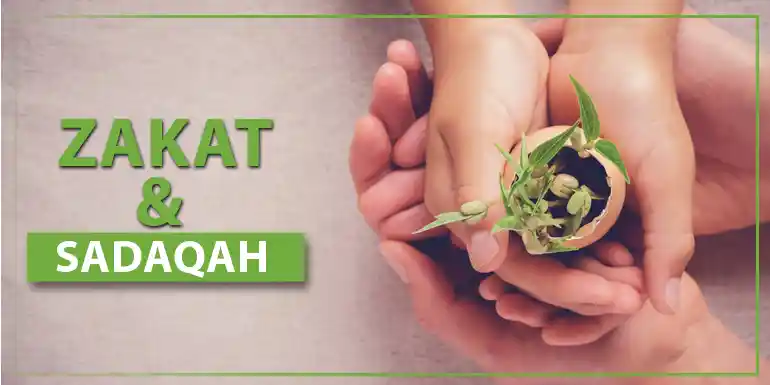
Islam encourages kindness, generosity, and compassion. Among the most beautiful acts of worship in Islam are Zakat and Sadaqah—forms of giving that purify the soul and strengthen the bonds of community. Both share the purpose of helping the poor and uplifting society, yet they differ in their rulings, obligations, and spiritual meanings.
This article explores these themes to help Muslims understand how to fulfill their duty with sincerity and wisdom in today’s world, especially when they Pay Zakat Online or make a Sadaqah Donation.
Zakat: An Obligation and a Pillar of Islam
Zakat is one of the Five Pillars of Islam, making it an obligation for every eligible Muslim. The term Zakat means “purification” and “growth.” By giving a portion of one’s wealth, a believer purifies their earnings and heart from greed, ensuring that wealth circulates fairly within society.
Allah (SWT) commands in the Qur’an:
“And establish prayer and give Zakat, and whatever good you put forward for yourselves – you will find it with Allah. Indeed, Allah of what you do, is Seeing.”
(Surah Al-Baqarah 2:110)
Zakat becomes fard (obligatory) once a Muslim’s wealth exceeds the Nisab threshold and a lunar year passes. The Nisab value is equivalent to 87.48 grams of gold or 612.36 grams of silver. Most scholars recommend calculating Zakat based on silver, as it benefits more people in need.
Zakat must be paid on savings, business inventory, gold and silver, investments, and certain agricultural or livestock assets. It is generally 2.5% of one’s qualifying wealth after one lunar year.
The Recipients of Zakat
Allah (SWT) has clearly defined who can receive Zakat:
“Zakah expenditures are only for the poor and for the needy, and for those employed to collect [Zakat], and for bringing hearts together [for Islam], and for freeing captives, and for those in debt, and for the cause of Allah, and for the stranded traveler – an obligation [imposed] by Allah.”
(Surah At-Tawbah 9:60)
[Source: https://legacy.quran.com/9/60]
This verse outlines eight eligible categories of Zakat recipients. Giving beyond these categories would invalidate the obligation, highlighting the importance of ensuring Zakat is distributed correctly and responsibly.
Sadaqah: The Voluntary Gift of Love
While Zakat is obligatory, Sadaqah is voluntary and can be given at any time, in any amount. The Prophet Muhammad (ﷺ) said:
“Charity does not decrease wealth.” (Sahih Muslim 2588)
Sadaqah can take many forms; it isn’t always financial. Smiling at someone, helping a neighbor, or removing harm from the road are all acts of Sadaqah. Unlike Zakat, there are no restrictions on who can receive it. It is a way to earn blessings, seek forgiveness, and bring comfort to others.
Zakat and Sadaqah in Ramadan
Although Zakat is not tied to Ramadan, many Muslims choose to pay it during this blessed month because of the multiplied rewards and the opportunity to benefit from Laylat al-Qadr (The Night of Power).
Sadaqah, too, holds immense virtue during Ramadan. The Prophet (ﷺ) was known to be “more generous than the blowing wind” during this month (Sahih al-Bukhari 6). Giving Sadaqah Donation during Ramadan not only helps others but also nurtures one’s soul through compassion and gratitude.
Muslims today can easily Pay Zakat Online or give Sadaqah through verified, Shariah-compliant platforms. This method ensures funds reach deserving families quickly, especially in times of crisis.
The Spiritual Benefits of Charity
Both Zakat and Sadaqah carry profound spiritual rewards. They cleanse the giver’s heart, strengthen faith, and attract the mercy of Allah (SWT). The Qur’an beautifully states:
“The example of those who spend their wealth in the way of Allah is like a seed [of grain] that sprouts seven ears; in every ear there are a hundred grains. Allah multiplies [His reward] for whom He wills.”
(Surah Al-Baqarah 2:261)
Zakat fulfills a divine obligation, ensuring social justice, while Sadaqah represents the believer’s love and gratitude toward Allah (SWT). Both transform society through compassion and empathy.
Modern Ways to Give — The Digital Sadaqah and Zakat Revolution
In the digital age, Muslims can now Pay Zakat Online and make their Sadaqah Donations easily. Verified nonprofit organizations use transparent systems to ensure your charity reaches the rightful recipients, in line with Islamic principles.
Digital giving is not just convenient—it amplifies your impact. It allows immediate help to the poor, orphans, and patients who need urgent support.
Transparent Hands: Your Trusted Platform for Zakat and Sadaqah
At Transparent Hands, we are committed to providing free medical and surgical care to underprivileged patients in Pakistan. Since 2014, we have helped over 260,000 patients by organizing free medical camps and sponsoring surgeries at partner hospitals.
Your Zakat Donation and Sadaqah Donation directly transform lives—restoring health, dignity, and hope. Guided by Islamic scholars, Transparent Hands ensures full Shariah compliance, making it the most trusted platform to fulfill your charitable obligations.
Every contribution counts — let your generosity bring healing and blessings to those who need it most.
Read More Gorod