
 IQnewswire
You’ve got a week, maybe ten days, and a head full of Himalayan pictures. Then the questions start. Can I handle the altitude? Is flying over Everest a cop-out? Do I really need two weeks of walking to say I’ve done Nepal properly?
Those doubts are normal, and the honest answer changes from person to person. An Everest Base Camp Helicopter Tour gives you the big views in a single morning. The Everest Base Camp trek with Helicopter Return makes you earn the walk up, then spares your knees the long trudge down. The Manaslu circuit Trek is a different animal altogether: longer, quieter and far more remote. Here’s how the three really compare, so you can pick the one that suits your time, your legs and your budget.
Everest Base Camp Helicopter Tour: Seeing the Himalayas Without a Long Trek
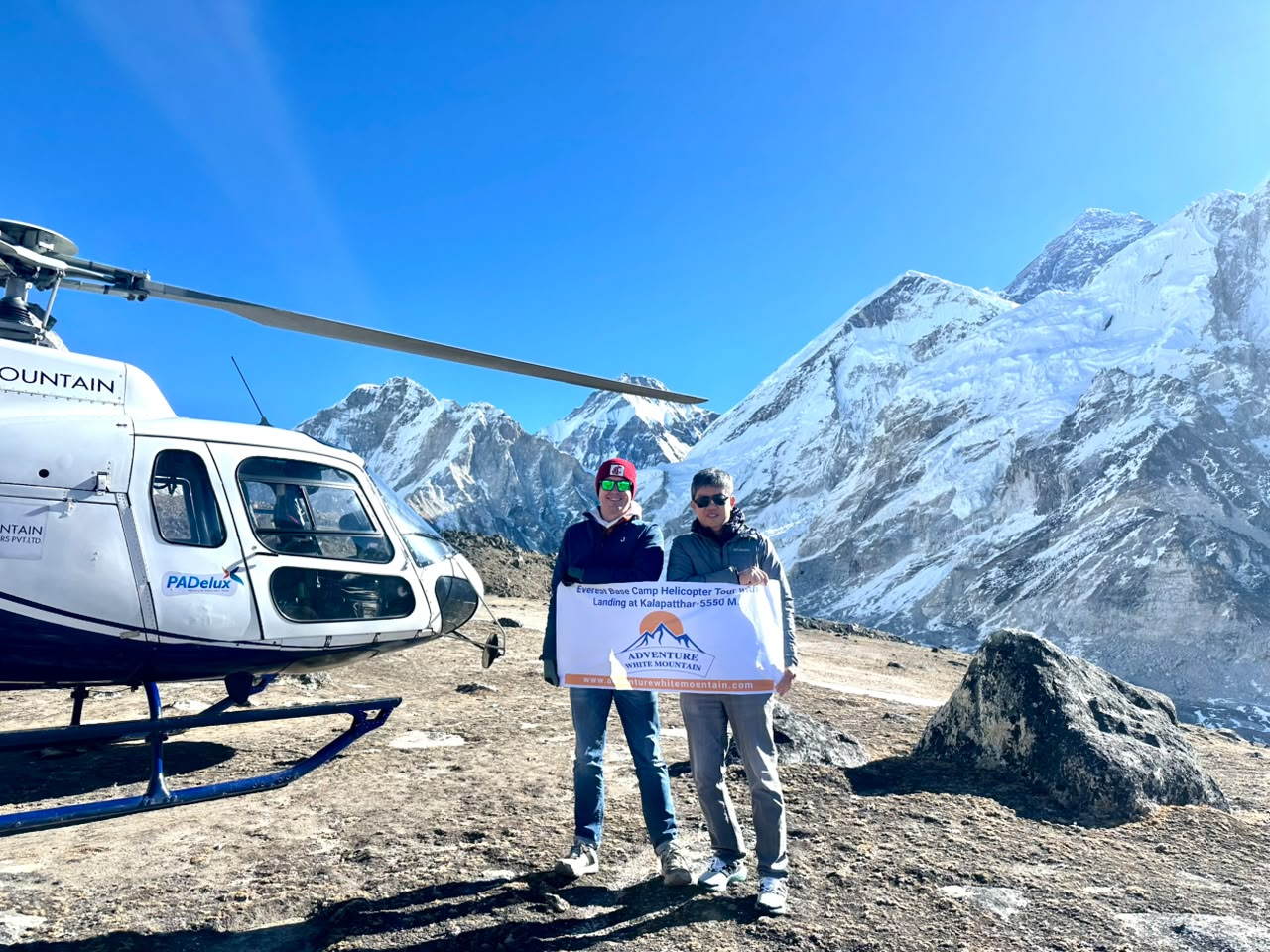
Most Everest helicopter sightseeing flights leave from Kathmandu, though that depends on the operator and the itinerary. The aircraft heads east, passes over the Lukla area, follows the Khumbu Valley past Namche Bazaar, and swings in close to Everest Base Camp and Mount Everest itself. Things that take trekkers a fortnight to reach go past the window in an hour or two.
Plan on roughly four to six hours door to door, give or take, depending on the package and the conditions. You’ll see glaciers, ridgelines, monasteries and tiny Sherpa settlements clinging to the hillsides. Some packages add a mountain-view breakfast stop, while others skip it, so check what’s actually included.
Here’s the part people often miss. Flying over Everest Base Camp is not the same as landing at Kala Patthar. A high-altitude landing is never guaranteed. Weather, visibility, wind, aircraft performance and the pilot’s judgment all decide whether it happens, and any of them can say no on the day.
This option suits travelers with limited time, people who can’t manage a multi-day trek, and anyone who mainly wants the mountain views. One tip from the field: clear skies over Kathmandu tell you very little about conditions near Everest. The mountains make their own weather.
Everest Base Camp Trek with Helicopter Return: Walk to Everest, Fly Back
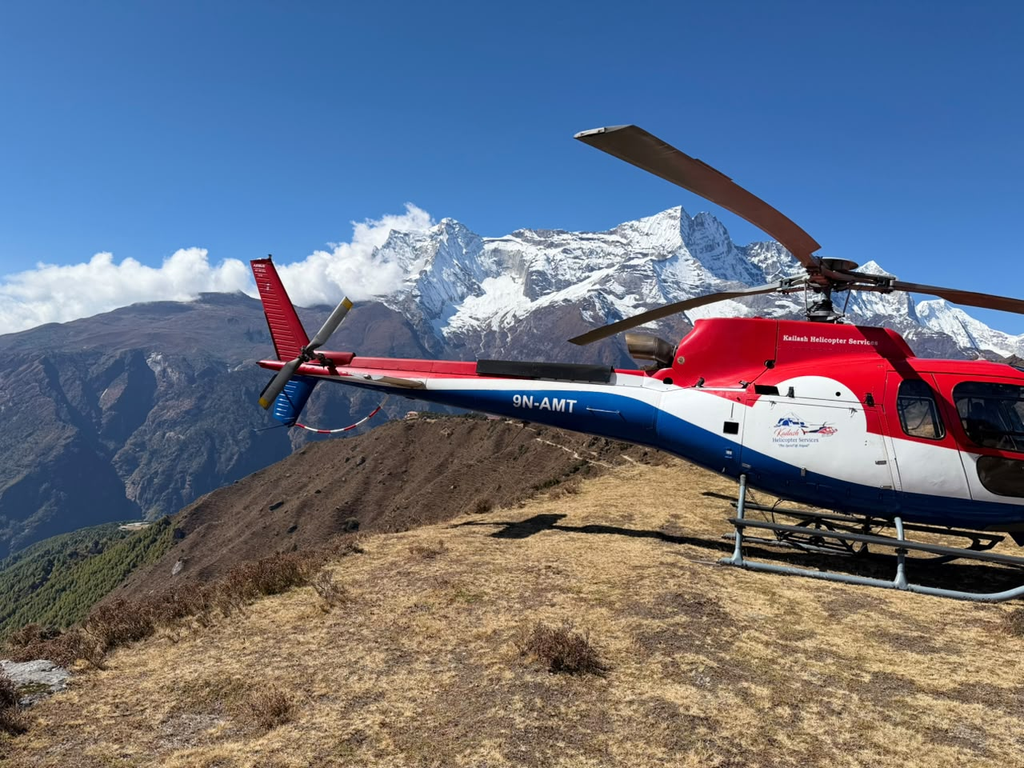
The Everest Base Camp trek with Helicopter Return is a hybrid. You walk the classic route through the Khumbu, then take a helicopter back once you’ve reached the upper valley. The walking up part is still real, and it still needs enough days for your body to adjust. Skip the acclimatization and the helicopter won’t save you.
The route climbs steadily: Lukla at 2,860 m, Namche Bazaar at around 3,440 m, Tengboche at 3,870 m, Dingboche at 4,410 m, Lobuche at 4,940 m, Gorak Shep at around 5,170 m, and finally Everest Base Camp at 5,364 m. Rest days along the way aren’t a luxury. They’re what keeps most people upright and eating at altitude.
The helicopter return usually lifts off from Gorak Shep or another approved pickup point, depending on the operator, conditions and operational permissions. It cuts out the days of walking back down, which is where a lot of trekkers lose time, and sometimes a flight home.
You still get the Sherpa villages, the teahouses, the prayer flags and that thin, bright high-altitude light. But the trip is demanding, and weather can still disrupt it. One thing worth saying plainly: a shorter descent does nothing to reduce altitude sickness risk on the way up.
Manaslu Circuit Trek: A Longer Journey Through Remote Himalayan Valleys
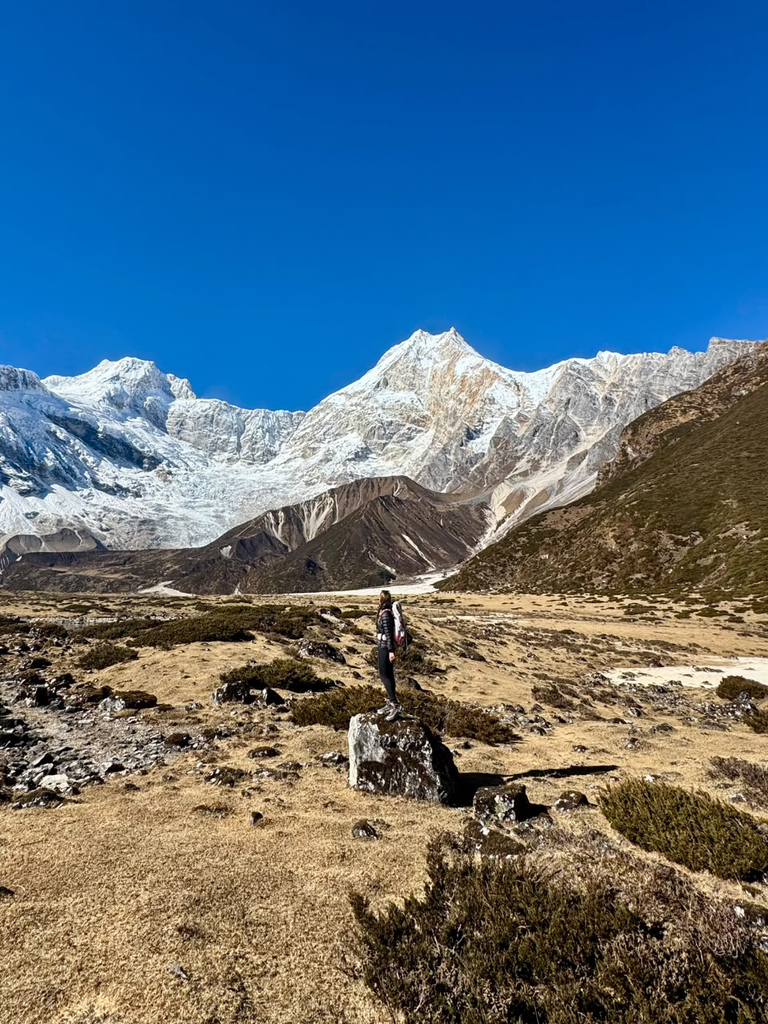
The Manaslu circuit Trek loops around Mount Manaslu, which stands at 8,163 m and ranks as the eighth-highest mountain in the world. The trail passes through the Manaslu Conservation Area, and it appeals to people who’d rather meet villages and quiet paths than crowds.
The route winds through Machha Khola, Jagat, Deng, Namrung, Lho, Samagaun, Samdo and Dharamsala before crossing the Larkya La Pass at roughly 5,106 m. The scenery shifts a lot. You start in lower valleys and forest, then slowly climb into cold, bare, high terrain.
Most itineraries run twelve to sixteen days, depending on road access, acclimatization and walking pace. Manaslu is a restricted area, so you’ll need special permits and a licensed guide, along with the other standard permits. Rules change, so confirm the current requirements before booking.
Expect long walking days, basic facilities in some villages, cold nights and unpredictable weather on the pass. Pass day means an early start, often well before sunrise. Build in a spare day if you can. When the weather turns, flexibility is worth more than any schedule.
Everest Helicopter Tour vs Helicopter Return Trek vs Manaslu Circuit
Short version: the helicopter tour is sightseeing, the helicopter-return trek mixes hard walking with a faster way home, and Manaslu is a longer mountain journey done almost entirely on foot.
| Factor | Everest Helicopter Tour | EBC Trek + Helicopter Return | Manaslu Circuit |
| Typical duration | 4–6 hours | 9–12 days | 12–16 days |
| Physical effort | Low | High | High |
| Main experience | Aerial mountain views | Trekking + helicopter return | Remote mountain trekking |
| Highest elevation | Depends on flight and stops | EBC: 5,364 m | Larkya La: ~5,106 m |
| Accommodation | Usually no overnight stay | Mountain teahouses | Mountain teahouses |
| Main challenge | Weather and high altitude | Acclimatization and trekking | Long walks and pass crossing |
| Suitable for | Time-limited visitors | Trekkers wanting a shorter return | Experienced, well-prepared hikers |
Durations are approximate planning ranges, not fixed package schedules. None of these is better in every case. The right pick depends on your days, fitness, budget and what you actually want out of the mountains.
When Is the Best Time for These Nepal Adventures?
Spring (March to May) and autumn (September to November) are the usual favorites. Autumn tends to bring crisper views, while spring brings warmer days and blooming rhododendrons lower down. Neither season promises clear skies, so treat any forecast as a hope, not a contract.
Monsoon cloud brings delayed flights, slippery trails and poor visibility. Winter can be stunning, but snow and bitter cold make the higher sections far tougher.
Practical advice: add buffer days for flight disruptions, check local conditions before you commit, and don’t book an international departure right after a weather-dependent helicopter flight.
Costs, Permits, and Practical Planning Before You Travel
Helicopter pricing moves with several things: shared or private charter, number of passengers, route, season and landing arrangements. Fixed prices online are often outdated, so ask for a current written quote.
Trekking costs add up differently. You’ll pay for guide services, permits, teahouse rooms, meals, insurance and, for the Everest option, the helicopter return. Manaslu has its own permit and guide requirements that differ from the Everest region.
Before settling on an itinerary, travelers can discuss route conditions, permit arrangements, and helicopter logistics with an established Nepal trekking operator such as Adventure White Mountain, particularly when comparing a short Everest sightseeing flight with a longer high-altitude trek.
Altitude, Weather, and Safety: What Travelers Should Know
Altitude doesn’t care how fit you are. Headache, nausea and dizziness are the usual warning signs, and they should never be brushed off. Go slowly, drink plenty of water, and if symptoms worsen, descend. That’s the rule, every time.
Get travel insurance that explicitly covers your planned altitude and emergency evacuation. Pack warm layers and boots that are already broken in. And listen to your guide and your pilot. Their calls are made for good reasons, even when they’re annoying.
Which Nepal Adventure Should You Choose?
If you mostly want the views and don’t want days of walking, the Everest helicopter sightseeing flight is your answer. It’s quick and it delivers.
If you’re reasonably fit and want to reach Everest Base Camp on foot but would rather skip the slog back, the helicopter-return trek fits well.
If you love long trails, village life and a properly demanding pass, Manaslu is the one. The best Himalayan trip isn’t the highest. It’s the one that matches your time, your preparation and how your body handles altitude.
Frequently Asked Questions About Everest and Manaslu Adventures
1. Can you land at Everest Base Camp during a helicopter tour?
Standard sightseeing flights don’t normally land at Base Camp. Approved landing spots vary by operator and conditions.
2. How long does an Everest Base Camp trek with Helicopter Return take?
Plan on about nine to twelve days, depending on acclimatization and the itinerary.
3. Is the Manaslu Circuit Trek harder than Everest Base Camp?
It can feel harder, with longer days, a high pass and rougher terrain, but personal fitness matters most.
4. Do I need a guide for the Manaslu Circuit Trek?
Yes, a licensed guide is required in this restricted area. Confirm current regulations before booking.
5. Which months are suitable for an Everest helicopter tour?
Spring and autumn are popular, though every flight still depends on the weather.
6. Can beginners complete the Manaslu Circuit Trek?
Well-prepared beginners can, with proper training, good guidance and sensible acclimatization.
Read More at Gorod