
 Elite
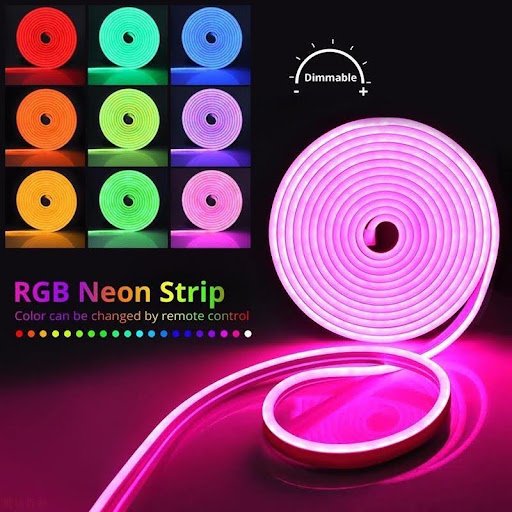
Modern lighting projects often require solutions that combine visual appeal, installation flexibility, and reliable performance. From building outlines and illuminated signs to decorative interiors, LED strips offer designers and contractors different ways to create attractive lighting effects.
Silicone neon LED strips are particularly useful when a project requires a continuous lighting appearance along architectural features. Their flexible construction makes them suitable for various decorative layouts, while their technical specifications help determine where they can be installed.
For businesses sourcing products for outdoor and architectural projects, Outdoor led strip lights wholesale options can provide access to different lighting configurations for commercial requirements.
What Are Silicone Neon LED Strips?
Silicone neon lighting is designed to create a smooth, continuous lighting effect. Unlike conventional LED strips where individual light points may be visible, neon-style lighting can provide a more uniform appearance for decorative outlines and architectural features.
Dekingled’s 2010 Silicone Neon Light uses SMD2835 LEDs producing 32–34 lumens per LED. It operates at 24V DC, has a maximum power rating of 14W, and carries an IP65 waterproof rating.
These specifications make it worth considering for projects where flexible decorative lighting and environmental protection are important.
Important Technical Features to Consider
Before selecting a silicone neon strip, buyers should understand the product’s technical details and how they relate to the intended installation.
The Dekingled 2010 Silicone Neon Light includes several specifications:
LED type: SMD2835
Brightness: 32–34 lumens per LED
Input voltage: 24V DC
Maximum power: 14W
Waterproof rating: IP65
Cutting interval: 9 LEDs at 24V DC
Copper foil thickness: 3oz
Switching tests: 10,000
The strip can be cut at its specified intervals and reconnected using the appropriate accessories. It also comes with aluminum installation accessories, which help provide firmer mounting.
Checking these specifications before ordering helps ensure that the selected product is appropriate for the project.
Where Can Silicone Neon Lighting Be Used?
One advantage of silicone neon lighting is its suitability for different decorative and architectural applications. Its continuous appearance can help highlight edges, outlines, and selected design features.
Architectural Accent Lighting
Silicone neon strips can be used around canopies, corridors, windows, and archways. These installations can highlight architectural shapes and add visual depth to commercial or residential spaces.
Signage and Display Lighting
Illuminated signs often require lighting that makes their outlines and edges more visible. Silicone neon lighting can be considered for signage backlighting and edge lighting, helping create distinctive display effects.
Path and Contour Marking
Lighting along pathways and architectural contours can improve the visual definition of an area. Neon-style strips can be incorporated into decorative layouts where continuous lines of light are desired.
Events and Decorative Installations
The product is also suitable for decorative lighting at holidays, events, and exhibitions. Its flexible installation possibilities allow designers to incorporate lighting into different temporary or permanent arrangements.
Why Waterproof Protection Matters
The environment in which an LED strip will operate should influence the product selection. Moisture and dust exposure can create additional requirements compared with installations in dry indoor locations.
Dekingled’s 2010 Silicone Neon Light has an IP65 protection rating. This specification should be considered when evaluating the product for suitable installations.
Buyers should not assume that every waterproof LED strip is appropriate for every outdoor condition. The actual exposure, mounting position, and installation method should be reviewed before selecting a product.
For projects requiring different protection levels, comparing Waterproof LED strip lights wholesale options can help buyers identify products that match their environmental requirements.
Installation and Cutting Considerations
Correct installation is essential for achieving the intended appearance and performance. Before fitting a strip, installers should measure the required length and review the product’s cutting instructions.
The 2010 Silicone Neon Light has a cutting interval of 9 LEDs at 24V DC. Cutting outside the designated points can damage the strip or affect its operation.
The product also uses aluminum installation accessories for firmer mounting. These accessories can be useful when positioning the strip along architectural features or decorative surfaces.
Installers should also ensure that the electrical connection matches the product’s 24V DC input requirement. The compatible power arrangement should be checked before switching on the lighting system.
What Should Buyers Look for When Ordering in Bulk?
Businesses purchasing LED strips for multiple projects should evaluate more than the product’s appearance. Technical information, product consistency, and supplier support can all influence purchasing decisions.
Here are some important considerations:
Product specifications: Confirm voltage, power consumption, brightness, and protection rating.
Cutting requirements: Check the permitted cutting intervals and reconnection accessories.
Installation accessories: Determine whether mounting components are included or need to be ordered separately.
Application suitability: Match the product to architectural, signage, decorative, or event lighting requirements.
Technical support: Look for clear product information and assistance with installation questions.
Delivery arrangements: Confirm availability and delivery timelines before placing large orders.
Shenzhen Dekingled Co., Ltd. was established in 2014 and offers several lighting products, including 5050, 3528, 2835, 3014, COB, RGB, and silicone neon LED strips. Its stated service advantages include fast delivery, cost-effective solutions, product quality, and technical support.
Conclusion
Silicone neon LED strips offer an attractive option for architectural outlines, signage, pathways, and decorative lighting installations. Their continuous lighting appearance can help create distinctive visual effects across different commercial and residential environments.
Dekingled’s 2010 Silicone Neon Light combines SMD2835 LED technology, 24V DC operation, 32–34 lumens per LED, and IP65 protection. By reviewing these specifications alongside installation requirements and environmental conditions, buyers can make more informed decisions when selecting lighting products for their projects.