Admin
Admin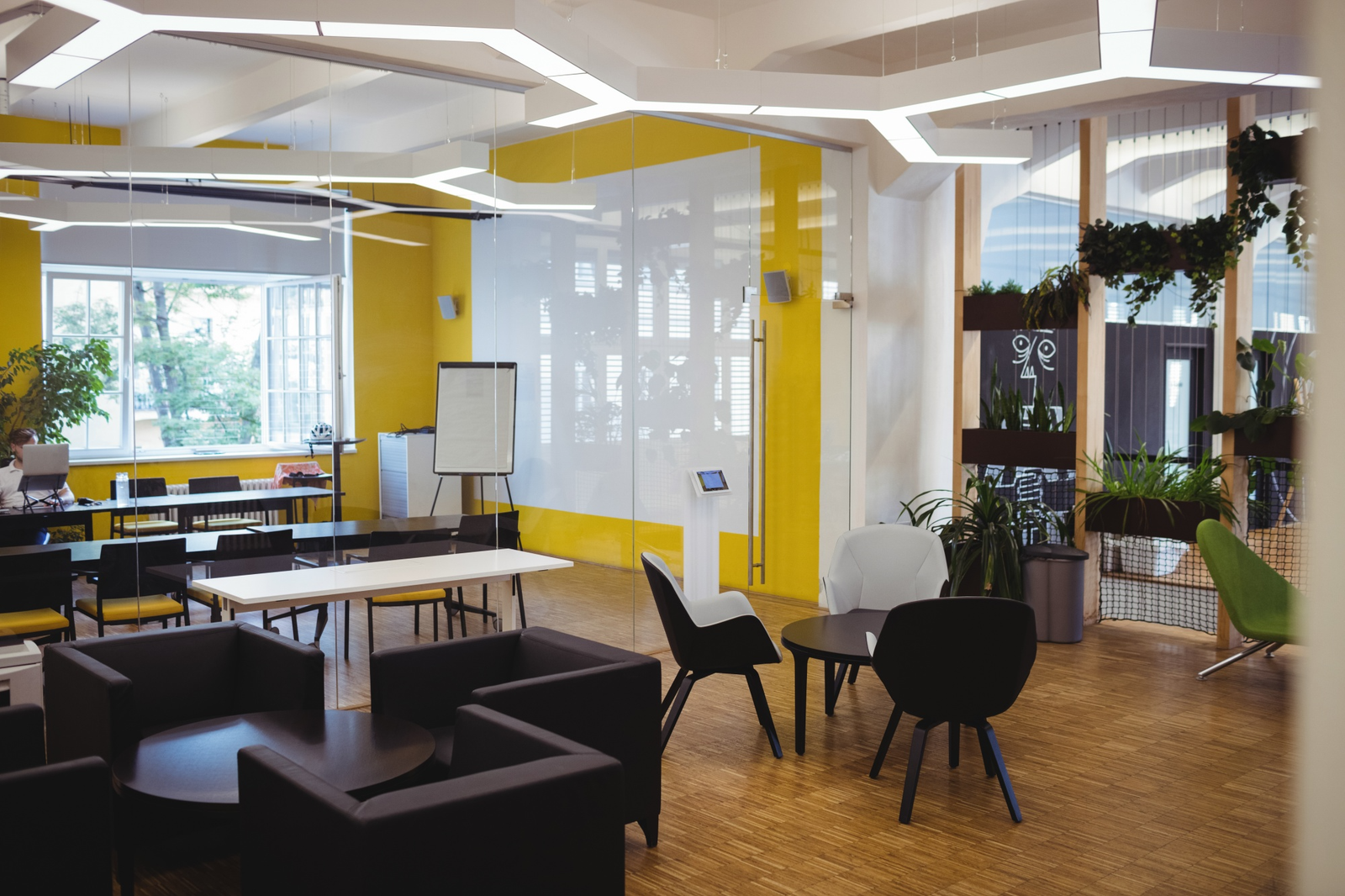
The hiring market has changed the calculation founders once used for office decisions. Skilled candidates now weigh a company’s physical presence the same way they weigh salary and flexibility, and a scaling business that cannot offer a credible, well-located workplace often loses talent to competitors who can. Companies chasing growth without the matching headcount to justify a full floor lease need an answer that keeps pace with hiring, not one that locks them into a five-year commitment before the team even exists.
Establishing a base in Melbourne shows a clear example of how modern firms remain competitive by staying nimble yet prestigious. This blog breaks down how a coworking space builds immediate credibility, examining community and networking value, transport connectivity, cost control, on-demand infrastructure, address prestige, and sustainable building standards. Choosing a clever operational baseline helps your business compete right away.
Evaluating the Strategic Benefits of a Coworking Space
Aligning your business with a well-run coworking environment changes how partners, hires, and investors read your operational maturity from the very first meeting.
Building Community Without Building a Head Office
Coworking spaces put your team beside founders, consultants, and regional teams from other industries every single day. Casual conversations over coffee turn into referrals more often than any formal networking event manages to produce. Your business benefits from proximity to people solving different problems, and those collisions rarely happen inside a closed, single-tenant office.
Clients notice when a workplace feels alive rather than half-empty. A coworking floor with genuine activity signals that your business operates inside a functioning commercial ecosystem, not an isolated back office. Your team also gains something harder to manufacture: a sense of being part of a broader professional community, which supports retention as much as any perk on a benefits sheet.
What Makes Melbourne’s Docklands and Collins Street Worth the Commute?
Location decisions in Melbourne come down to two corridors, and both matter for different reasons. Collins Street remains the spine of the city’s financial precinct, home to major banks and professional services firms operating from its upper end. Docklands, immediately west of the CBD, has grown into a serious commercial precinct in its own right, anchored by direct connectivity back into the centre of the city.
A coworking space positioned near Southern Cross Station puts your team a short walk from Victoria’s principal transport interchange. Locations that sit inside Melbourne’s Free Tram Zone remove the daily friction of paid transit for staff moving between meetings. Your business avoids the quiet cost of a poorly connected address: the client who arrives late, the candidate who declines an offer over the commute, the team member who starts resenting the trip before nine o’clock.
Maximizing Financial Mobility by Avoiding Rigid Long-Term Leases
A five-year lease demands capital and certainty that most scaling businesses do not have in year one. Coworking converts that liability into a predictable monthly fee, with no deposit, no fit-out bill, and no renovation cost sitting on your balance sheet before you have generated revenue against it.
Your finance team gains something equally valuable: forecasting simplicity. This approach helps you redirect capital toward hiring, product, or client acquisition rather than toward furniture and cabling. Growth stays tied to performance instead of to a lease term signed before you knew how the business would actually scale.
Deploying On-Demand Meeting Infrastructure
Client presentations do not wait for you to source a projector or test a conferencing platform under pressure. A well-equipped coworking floor gives you boardrooms and meeting rooms that work the first time correctly, without a technician on standby. Victoria alone counts more than 2,700 active startups, and most of them run pitch meetings out of exactly this kind of shared infrastructure rather than a dedicated boardroom they could never justify owning.
This access allows a three-person team to run a meeting that looks and functions like it belongs to a business ten times the size. You do not have to worry about booking a hotel conference room or apologising for a shared kitchen table. The infrastructure adjusts to the size of the meeting, not the size of your headcount.
Commanding Address Prestige Inside a Landmark Development
Tower 5 at Collins Square, designed by the architecture firm Woods Bagot, gives coworking Members a glass-fronted, light-filled entry that few standalone offices at this stage of growth could otherwise afford. The building sits inside one of Australia’s largest mixed-use commercial developments, occupied by established global operators, which shapes how a young business is perceived before anyone has read a single line of the pitch deck.
Clients search an address before they sign a contract. A Collins Square or Docklands address answers that search instantly, in your favour. Your team feels the difference too, walking into a lobby built for major tenants rather than a converted warehouse unit that says little about where the business is headed.
Meeting a Higher Sustainability Standard
Tower 5 Collins Square carries a 5 Green Star rating from the Green Building Council of Australia, reflecting genuine investment in energy-efficient design rather than a marketing claim bolted on after construction. For businesses courting investors or clients who now screen vendors on environmental credentials, this detail answers a question before it gets asked.
Operating from a certified sustainable building lets you state your environmental position with evidence, not adjectives. This matters increasingly in procurement conversations, where sustainability sits alongside price and delivery timelines as a genuine selection criterion.
Making the Right Move
The next decade of Australian business growth will reward companies that can scale their presence as fast as they scale their headcount, without carrying the liabilities that slowed the previous generation of founders down. Choosing a coworking space in Australia prepares your business for that kind of growth, giving you room to expand a desk at a time instead of a floor at a time.
You protect your capital, you shorten your path to a credible address, and you give your team a workplace that matches the ambition of the business. The businesses that move first are the ones that stay light.
Read More at Gorod