Khizar Seo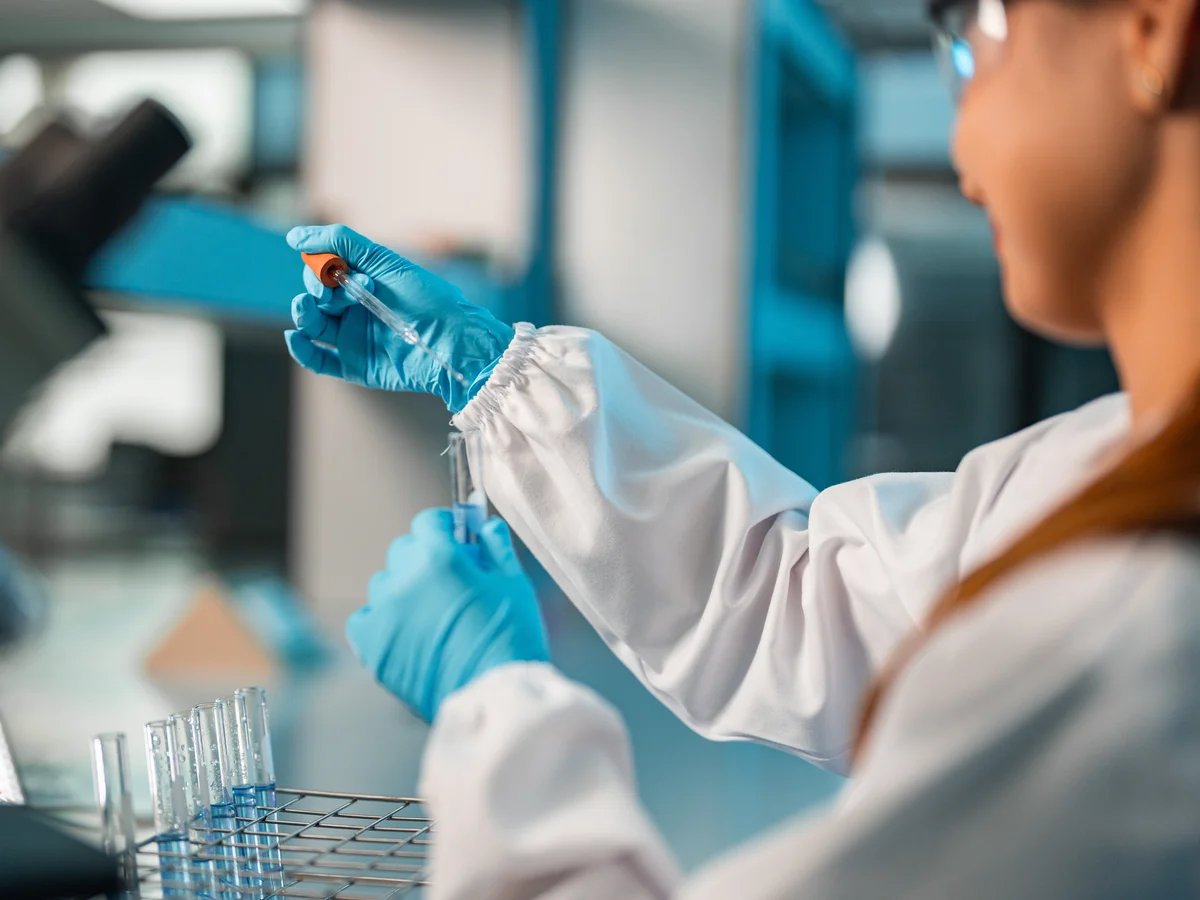
Many of today’s most innovative medical treatments began with decades of laboratory research. Peptide therapy is one of those stories. Once considered a niche area of biochemistry, peptides have become an important part of modern medicine, influencing the treatment of obesity, diabetes, hormone disorders, and other health conditions.
Although the term “peptide therapy” has become increasingly popular over the last few years, the science behind these molecules dates back much further. Researchers have spent decades studying how short chains of amino acids communicate with cells and regulate essential biological functions.
The Early Years of Peptide Research
Peptides are naturally occurring molecules made from amino acids. Unlike larger proteins, they contain relatively short amino acid chains that act as biological messengers throughout the body. These signaling molecules help regulate metabolism, appetite, immune responses, tissue repair, and hormone production.
Scientists realized many years ago that reproducing these natural signals could open entirely new possibilities for medicine. As biotechnology advanced, researchers developed synthetic peptides capable of targeting specific biological pathways with increasing precision.
What once existed only inside research laboratories eventually became part of everyday medical practice.
A New Generation of Medicines
The public became familiar with peptide-based medications after the success of modern treatments for obesity and type 2 diabetes. Drugs containing semaglutide and tirzepatide demonstrated that carefully engineered peptides could produce meaningful clinical results while targeting specific receptors inside the body.
Their success also sparked worldwide interest in other peptide compounds. Scientists continue investigating whether similar technologies could one day help patients with muscle disorders, inflammatory diseases, healthy aging, tissue regeneration, and hormone deficiencies.
Not every promising discovery ultimately becomes an approved medication, but peptide research has clearly become one of the fastest-moving areas of pharmaceutical development.
Technology Behind Modern Peptide Development
Creating a therapeutic peptide is far more complex than simply combining amino acids. Researchers use advanced computational modeling, molecular biology, structural chemistry, artificial intelligence, and high-throughput screening to predict how individual peptide molecules interact with specific receptors inside the human body.
Modern pharmaceutical companies also rely on sophisticated manufacturing technologies capable of producing highly purified peptide molecules at commercial scale while maintaining strict quality standards.
The combination of biotechnology, data analysis, computational chemistry, and precision manufacturing has made peptide development one of the most interdisciplinary fields in modern healthcare.
Why Some Peptides Become Medicines
Every year, researchers publish thousands of studies describing new peptide compounds. Only a small percentage eventually become approved medications.
Before reaching patients, a peptide must undergo years of laboratory research, toxicology testing, multiple phases of clinical trials, manufacturing validation, and regulatory review. Many promising molecules never complete that process because they fail to demonstrate sufficient effectiveness or acceptable safety.
This explains why approved peptide medications represent only a small fraction of all peptides currently being investigated worldwide.
Innovation Continues Beyond Weight Management
While weight management therapies have received the greatest public attention, research continues in many other directions. Scientists are studying peptides involved in tissue repair, endocrine regulation, skin regeneration, muscle preservation, immune function, and neurological disorders.
One compound that has generated continued scientific and clinical interest is Sermorelin, a peptide associated with stimulation of the body’s natural growth hormone production. Although its clinical applications differ from modern GLP-1 medications, it represents another example of how peptide research continues expanding into new areas of medicine.
The Importance of Evidence
Growing public interest has also created a challenge. Information about peptides now spreads rapidly across social media, online communities, and wellness websites. Unfortunately, scientific evidence often travels much more slowly than marketing claims.
For that reason, physicians continue emphasizing the importance of understanding which peptide therapies have completed regulatory review and which remain experimental.
Readers interested in learning more about today’s most widely discussed peptide medications, including which compounds have received FDA approval and which are still considered investigational, can find a detailed overview in this article.
Looking Ahead
Peptide science continues to evolve rapidly. Advances in biotechnology, machine learning, molecular modeling, and pharmaceutical manufacturing are allowing researchers to design increasingly sophisticated therapies for diseases that were once difficult to treat.
Whether future breakthroughs come from metabolic medicine, endocrinology, regenerative therapies, or entirely new fields, peptide research is likely to remain one of the most closely watched areas of biomedical innovation for years to come.