World rankers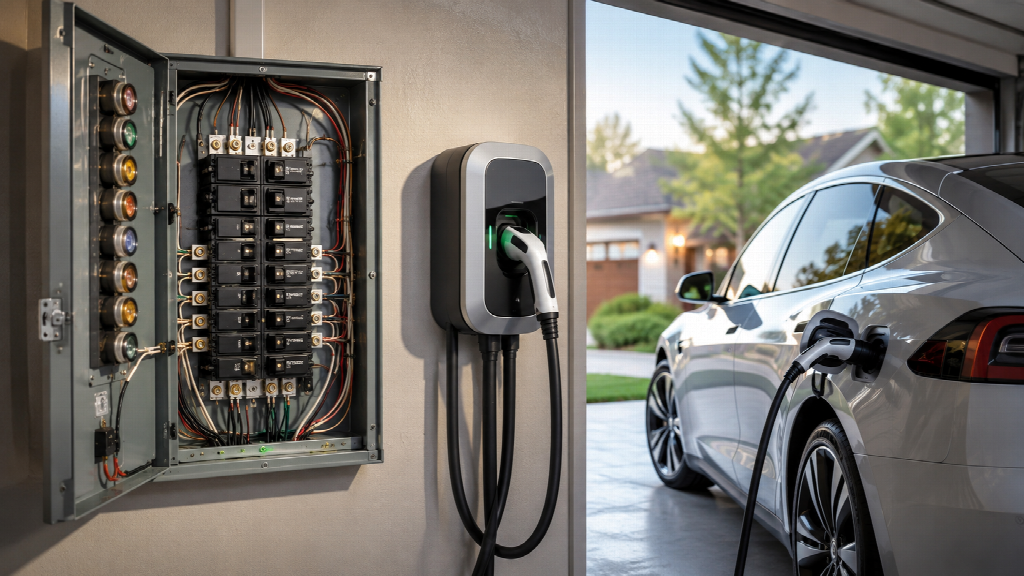
Electric vehicles are becoming an increasingly common sight on residential driveways, and with that shift comes a growing demand for convenient home charging. Many homeowners begin their research by searching for EV charger installation near me, expecting the process to involve little more than selecting a charging unit and scheduling an appointment. In reality, one of the most important considerations is whether the home’s existing electrical infrastructure is capable of supporting the additional load. In some properties, particularly older ones, a fuse box replacement or another form of electrical system upgrade may be recommended before a charging station can be safely installed.
Understanding how your home’s electrical system works—and whether it is prepared for this new demand—can help you avoid delays, unexpected expenses, and potential safety concerns. Rather than viewing an electric vehicle charger as a standalone addition, it is better to think of it as an appliance that becomes part of a much larger electrical network within your home.
Why Your Home’s Electrical System Matters
A home charging station, especially a Level 2 charger, requires considerably more electricity than standard household outlets. While a regular wall socket can slowly charge an electric vehicle, most homeowners prefer faster charging solutions that use dedicated circuits and higher electrical capacity.
Every home has a limit to how much electricity it can safely distribute at one time. This capacity is determined by the electrical service entering the property, the distribution equipment, and the condition of the wiring. If these components are outdated or already operating near their limits, adding another high-demand appliance may overload the system.
Rather than assuming every property can accommodate modern charging equipment, electricians first evaluate the home’s overall electrical capacity before recommending the most appropriate solution.
Understanding the Difference Between Fuse Boxes and Modern Electrical Panels
Many people use the terms “fuse box” and “electrical panel” interchangeably, but they are not exactly the same.
Traditional fuse boxes use replaceable fuses that melt when too much current passes through them. This design effectively protects electrical circuits, but it reflects standards that were developed long before modern households relied on electric vehicles, multiple computers, high-powered kitchen appliances, and advanced heating or cooling systems.
Modern breaker panels perform the same protective function using resettable circuit breakers instead of disposable fuses. They generally provide greater flexibility, easier maintenance, and better compatibility with today’s electrical demands.
Homes built decades ago are more likely to have original fuse-based systems or early breaker panels with limited capacity. Although these systems may continue functioning safely under existing loads, introducing a dedicated charging circuit may require a closer evaluation.
How Electric Vehicle Charging Changes Household Power Demand
An electric vehicle charger is different from many household appliances because it often draws significant power continuously for several hours.
Unlike a microwave or hair dryer that operates for relatively short periods, vehicle charging frequently occurs overnight. During this time, other appliances may also remain active, including:
- Heating and cooling systems
- Refrigerators
- Water heaters
- Pool equipment
- Lighting
- Home offices
- Entertainment systems
The combined electrical demand—not simply the charger itself—determines whether the home’s electrical service remains within safe operating limits.
Electricians perform load calculations to estimate this demand accurately before recommending any installation.
Signs Your Electrical System May Need Attention
Although only a professional inspection can determine whether upgrades are necessary, certain warning signs may indicate that your electrical system deserves closer examination.
These include:
- Frequently blown fuses
- Regular breaker trips
- Flickering lights
- Warm electrical outlets
- Buzzing sounds from electrical equipment
- Limited available circuit space
- Extension cords used permanently throughout the home
Older homes that have undergone multiple renovations without major electrical upgrades may also require additional evaluation.
These indicators do not automatically mean an EV charger cannot be installed. However, they suggest that the electrical infrastructure should be carefully assessed before adding another significant load.
The Importance of a Professional Electrical Assessment
One of the biggest misconceptions among homeowners is that charger installation begins with selecting equipment. In reality, professionals often begin with the house itself.
A comprehensive assessment typically examines:
- Main service capacity
- Existing electrical panel condition
- Wiring quality
- Available breaker space
- Grounding system
- Local electrical code compliance
- Expected household electrical demand
This evaluation allows electricians to determine whether the existing system can support the charging equipment safely or whether upgrades should be considered.
The inspection also helps identify unrelated electrical issues that may have remained unnoticed for years.
Balancing Cost Against Long-Term Value
One of the biggest decisions homeowners face involves balancing immediate installation costs with future electrical needs.
Some homeowners prefer installing the least expensive charging solution possible, particularly if their current electrical system appears functional.
Others choose broader electrical improvements that increase overall household capacity.
Neither approach is universally correct.
Installing only the charger may involve lower upfront costs if the home’s infrastructure already supports it. However, if the electrical system is already close to its limits, postponing upgrades may eventually lead to additional work as household energy demands continue growing.
Conversely, upgrading electrical infrastructure requires a larger initial investment but may provide benefits beyond vehicle charging, including support for future appliances, home additions, renewable energy systems, or battery storage.
The appropriate decision depends on the home’s condition, future plans, and budget.
Challenges Associated With Older Homes
Older properties present unique challenges because they were designed during periods when household electricity usage was significantly lower.
Decades ago, homes rarely included:
- High-capacity air conditioning
- Electric ranges
- Home offices
- Smart home systems
- Electric water heaters
- Multiple televisions
- Vehicle charging equipment
As lifestyles evolved, homeowners often added new electrical circuits without replacing the original service equipment.
This gradual expansion can create complex electrical layouts that require careful evaluation before additional loads are introduced.
Older wiring materials may also require inspection to ensure compatibility with current safety standards.
Why More Electrical Capacity Is Not Always the Best Answer
A common assumption is that increasing electrical service capacity automatically provides the best solution.
While larger electrical services certainly offer greater flexibility, they also increase project complexity and cost.
If the existing electrical system comfortably supports current household demand along with the planned charging equipment, increasing service capacity beyond actual needs may provide limited practical benefit.
Professional load calculations help avoid unnecessary upgrades while ensuring sufficient capacity remains available for future expansion.
Finding the right balance between present requirements and future flexibility often produces the most cost-effective outcome.
Safety Should Always Take Priority
Convenience is one reason many homeowners install charging equipment, but safety remains the most important consideration.
Improperly installed charging circuits can create serious hazards, including:
- Overloaded conductors
- Excessive heat
- Damaged insulation
- Electrical fires
- Equipment failure
- Reduced charging performance
Attempting to bypass electrical limitations by installing oversized breakers or modifying existing circuits without proper engineering creates unnecessary risks.
Professional installation ensures protective devices, wiring sizes, grounding systems, and circuit capacities work together as intended.
The Role of Local Electrical Codes
Electrical work must comply with local building regulations and nationally recognised safety standards.
Permit requirements vary by jurisdiction, but many installations require official inspections before the charging equipment is approved for use.
These inspections help verify that:
- Wiring meets code requirements.
- Protective devices are correctly sized.
- Installation follows manufacturer specifications.
- Grounding systems function properly.
- The charger operates safely.
While permits may slightly extend project timelines, they provide an additional layer of quality assurance that protects both homeowners and future property buyers.
Preparing for Future Electrical Needs
Electric vehicle adoption continues to grow, and household electricity consumption is expected to increase as more appliances transition away from fossil fuels.
Homeowners planning long-term renovations should consider whether today’s electrical improvements will support future technologies such as:
- Heat pumps
- Solar power systems
- Home battery storage
- Additional charging stations
- Electric cooking appliances
- Smart energy management systems
Planning for these possibilities during one electrical project can reduce the likelihood of repeated modifications over the coming years.
However, predicting future needs requires balancing flexibility with realistic expectations. Installing significantly more capacity than necessary today may increase costs without providing immediate benefits.
Questions Homeowners Should Ask Before Installing a Charger
Before scheduling installation, homeowners benefit from discussing several topics with their electrician.
Important questions include:
- Does my home have enough electrical capacity?
- Has a load calculation been completed?
- Is my wiring compatible with modern charging equipment?
- Will additional circuits be required?
- Does my electrical system comply with current codes?
- Are there opportunities to prepare for future electrical upgrades?
- What maintenance, if any, will the charging equipment require?
Having clear answers allows homeowners to make informed decisions based on their property’s unique characteristics rather than assumptions.
Making an Informed Decision
Installing a home charging station involves much more than selecting the right charger. The underlying electrical infrastructure determines whether the installation can operate safely, efficiently, and reliably for years to come.
Some homes require little more than a dedicated circuit, while others benefit from broader electrical improvements. Neither outcome should be viewed negatively. Instead, each reflects the unique design, age, and electrical demands of the property.
The key is understanding that every home differs. What works perfectly for one household may not suit another, even if both own the same vehicle.
A professional electrical assessment provides valuable insight into the condition of your home’s electrical system and helps identify the most practical path forward.
Wrapping Up
Preparing your home for electric vehicle charging begins long before the equipment is mounted on the wall. Evaluating the condition of your electrical system, understanding its available capacity, and considering future energy needs are all essential parts of the process.
Rather than focusing solely on the charger itself, homeowners should consider the complete electrical picture. Careful planning helps balance installation costs, safety requirements, long-term flexibility, and future household energy demands. By making informed decisions based on professional guidance and the specific characteristics of the property, homeowners can confidently prepare their homes for reliable vehicle charging while supporting safe and efficient electrical performance for years to come.