BlitZ
BlitZ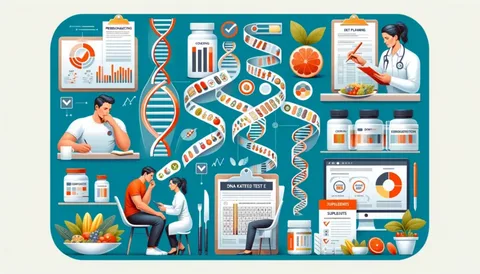
The concept of personalized wellness has transformed the way people approach health. Instead of relying on generalized recommendations, modern science is helping individuals make choices based on their unique biological makeup. At the center of this shift is DNA, the genetic blueprint that influences everything from metabolism and nutrient processing to physical performance and recovery.
As researchers continue to uncover how genes interact with lifestyle factors, personalized wellness is becoming more practical and accessible. While genetics do not determine every aspect of health, they provide valuable insights that can support more informed decisions about nutrition, exercise, sleep, and preventive care.
This article explores how DNA influences wellness, why personalization matters, and how emerging technologies are shaping the future of individualized health.
Why DNA Matters in Wellness Planning
DNA contains the genetic instructions that guide how the body develops and functions. Every individual inherits a unique combination of genes, making biological responses different from one person to another.
These differences can affect:
- Metabolism and energy production
- Vitamin and mineral utilization
- Muscle development
- Fat storage
- Inflammatory responses
- Recovery after exercise
- Sleep patterns
- Sensitivity to environmental factors
Understanding these genetic variations allows healthcare professionals and researchers to recommend wellness strategies that better match an individual’s natural biology.
The Shift From General Advice to Personalized Care
Traditional health recommendations often follow population averages. While these guidelines are useful, they may not produce the same results for everyone.
Personalized wellness takes a different approach by combining genetic information with factors such as:
- Lifestyle habits
- Medical history
- Physical activity
- Nutrition
- Environmental influences
- Stress levels
This broader perspective helps create recommendations that are more relevant to each person’s unique needs.
How Genetics Influence Nutrition
One of the most researched areas of personalized wellness is nutrition.
Genes can influence how efficiently the body processes carbohydrates, fats, proteins, caffeine, lactose, and certain vitamins. Some people naturally metabolize nutrients faster, while others require different dietary approaches to achieve similar results.
Examples include:
- Vitamin D absorption
- Folate metabolism
- Omega-3 utilization
- Caffeine sensitivity
- Sodium response
- Lactose digestion
Rather than replacing healthy eating principles, genetic insights can help fine-tune dietary choices for better long-term outcomes.
Personalized Fitness Based on DNA
Exercise affects everyone differently.
Some individuals naturally respond well to endurance training, while others build muscle more efficiently through strength-focused programs. Genetics may also influence recovery speed, injury risk, flexibility, and oxygen utilization.
Although consistent exercise remains essential for everyone, understanding genetic tendencies may help people select training methods that better suit their bodies.
Personalized fitness plans often combine:
- Genetic information
- Current fitness level
- Health goals
- Recovery patterns
- Lifestyle preferences
The result is a more sustainable approach to long-term physical health.
Recovery and Cellular Health
Recovery plays an essential role in maintaining overall wellness. Sleep quality, inflammation, tissue repair, and stress management all contribute to long-term health.
Researchers continue exploring how genetics affect recovery processes, helping identify why some individuals recover faster after physical activity or illness.
Growing scientific interest has also expanded into advanced therapeutic approaches, including peptide therapy, which is being studied for its potential role in supporting tissue repair, metabolic function, and healthy aging when used under qualified medical supervision. As research progresses, these therapies may become part of broader personalized wellness strategies for appropriate individuals.
Understanding Genetic Peptide Compatibility
One of the newest areas of precision medicine involves studying genetic peptide compatibility. Researchers are investigating how genetic differences may influence individual responses to peptide-based therapies.
Although this field is still developing, early research suggests that understanding genetic compatibility could eventually help healthcare providers make more personalized treatment decisions.
Potential areas being explored include:
- Cellular repair
- Immune function
- Metabolic health
- Hormonal regulation
- Recovery optimization
It is important to note that research is ongoing, and many applications continue to be evaluated through clinical studies.
DNA Is Only One Piece of the Wellness Puzzle
While genetics provide valuable information, they do not completely determine health outcomes.
Lifestyle choices remain extremely important.
Factors that continue to influence wellness include:
- Balanced nutrition
- Regular physical activity
- Stress management
- Adequate sleep
- Avoiding tobacco
- Limiting excessive alcohol
- Preventive healthcare
- Healthy social relationships
Even individuals with certain genetic predispositions can often improve their overall health through consistent daily habits.
The Role of Preventive Healthcare
Preventive care is becoming increasingly personalized.
Instead of waiting for symptoms to develop, healthcare providers can use genetic insights alongside routine screenings to identify potential health risks earlier.
This proactive approach may support:
- Earlier interventions
- Better disease prevention
- Customized screening schedules
- Improved long-term health management
- More informed medical decisions
Combining genetics with regular healthcare creates a more comprehensive picture of overall wellness.
Privacy and Ethical Considerations
As genetic testing becomes more common, protecting personal information is increasingly important.
Individuals should carefully evaluate:
- Data security policies
- Privacy protections
- Laboratory accreditation
- Healthcare provider recommendations
- Scientific validity of testing methods
Understanding how genetic information is collected, stored, and used helps people make informed decisions before undergoing any type of DNA analysis.
The Future of Personalized Wellness
Advances in genetics, biotechnology, and artificial intelligence continue expanding the possibilities of personalized healthcare.
Future developments may include:
- More precise nutrition planning
- Improved preventive medicine
- Enhanced disease risk prediction
- Personalized medication selection
- Advanced regenerative therapies
- Better wellness monitoring through digital health technologies
As scientific knowledge grows, personalized wellness will likely become an increasingly important part of routine healthcare.
Making Genetics Work for Everyday Health
The goal of personalized wellness is not to replace healthy habits but to make them more effective.
DNA insights can help explain why people respond differently to the same diet, exercise routine, or wellness strategy. Combined with professional medical guidance, these insights support more individualized decisions that align with each person’s biological profile.
By integrating genetics with evidence-based lifestyle practices, individuals can better understand their bodies and take proactive steps toward maintaining long-term health.
Conclusion
The connection between DNA and personalized wellness represents one of the most exciting developments in modern healthcare. Genetic information provides valuable insights into nutrition, fitness, recovery, and preventive care, helping move beyond one-size-fits-all recommendations.
While genetics are only one part of the overall health equation, combining DNA knowledge with healthy lifestyle choices offers a more personalized path toward wellness. As research continues to evolve, innovations such as genetic-guided therapies and individualized healthcare strategies may further improve how people manage their long-term health and well-being.
Frequently Asked Questions
What is personalized wellness?
Personalized wellness uses individual information, including genetics, lifestyle, and health history, to create more customized health recommendations.
Does DNA determine my overall health?
No. DNA influences certain traits and health risks, but lifestyle choices and environmental factors also play significant roles.
Can genetic testing improve nutrition plans?
Genetic testing may provide insights into how your body processes certain nutrients, allowing healthcare professionals to recommend more individualized dietary strategies.
Is peptide therapy suitable for everyone?
Not necessarily. Peptide therapy should only be considered under the guidance of a qualified healthcare professional, as suitability depends on individual medical circumstances.
What is genetic peptide compatibility?
Genetic peptide compatibility is an emerging area of research that examines how genetic differences may affect individual responses to peptide-based therapies.
Is personalized wellness replacing traditional healthcare?
No. Personalized wellness is designed to complement traditional healthcare by providing additional insights that support preventive care and individualized treatment planning.