Admin
Admin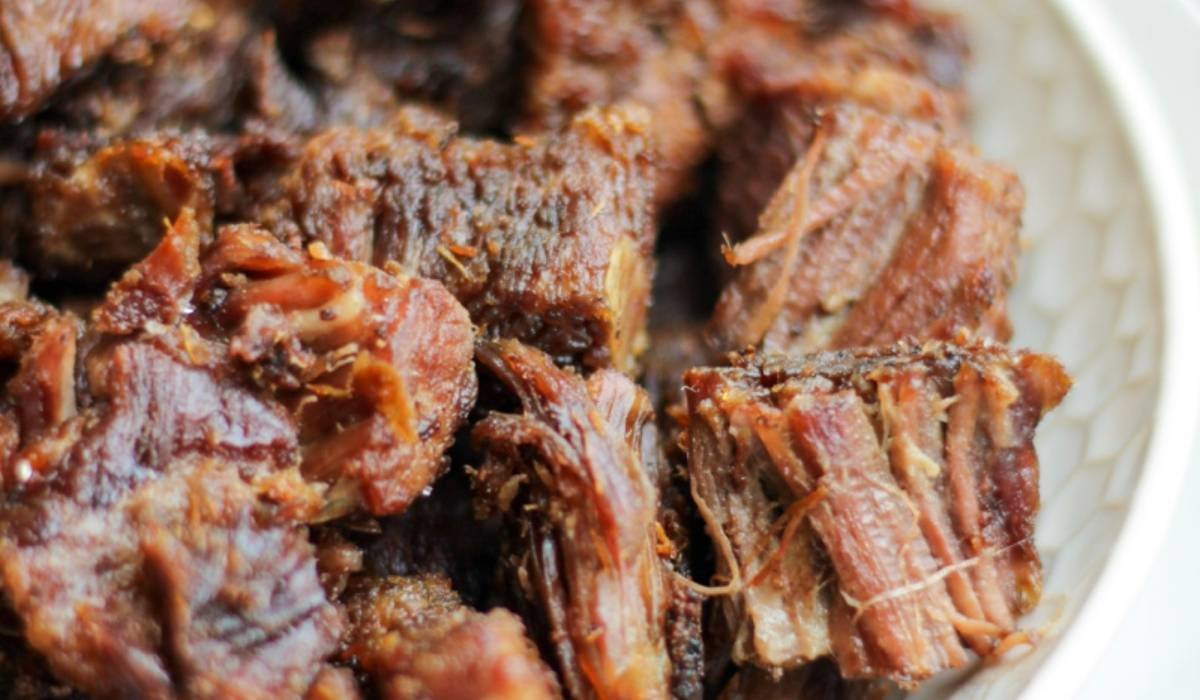
Learning how to cook beef stew meat properly is a culinary milestone that transforms tough, affordable cuts into a melt-in-your-mouth masterpiece. Beef stew meat, typically cut from the shoulder or chuck, is packed with connective tissue that needs time and gentle heat to break down into tender, succulent bites. When done right, the result is a rich, savory dish that warms the soul and satisfies the heart. Whether you are a beginner in the kitchen or a seasoned home cook, mastering the slow-simmering process is the secret to achieving that signature texture and depth of flavor that makes a classic stew truly unforgettable.
| Feature | Details |
| Primary Goal | How to cook beef stew meat perfectly |
| Best Cut | Beef chuck roast (well-marbled) |
| Cooking Technique | Low and slow braising |
| Key Secret | Searing the beef for depth |
| Essential Liquids | Beef broth, red wine, or tomatoes |
Selecting the Right Beef Cut for Your Stew
The first step to cook beef stew meat successfully is starting with the right cut. Beef chuck is the gold standard because it contains plenty of intramuscular fat and collagen, which soften during a long simmer. Leaner cuts, like round, can become dry and tough regardless of how long you cook them. Look for pieces that are well-marbled with white fat. If your butcher has pre-cut packages, look for uniform cubes that are about an inch to an inch and a half in size. Uniformity is critical because it ensures that every piece finishes cooking at the same time.
Preparing the Meat Before Cooking
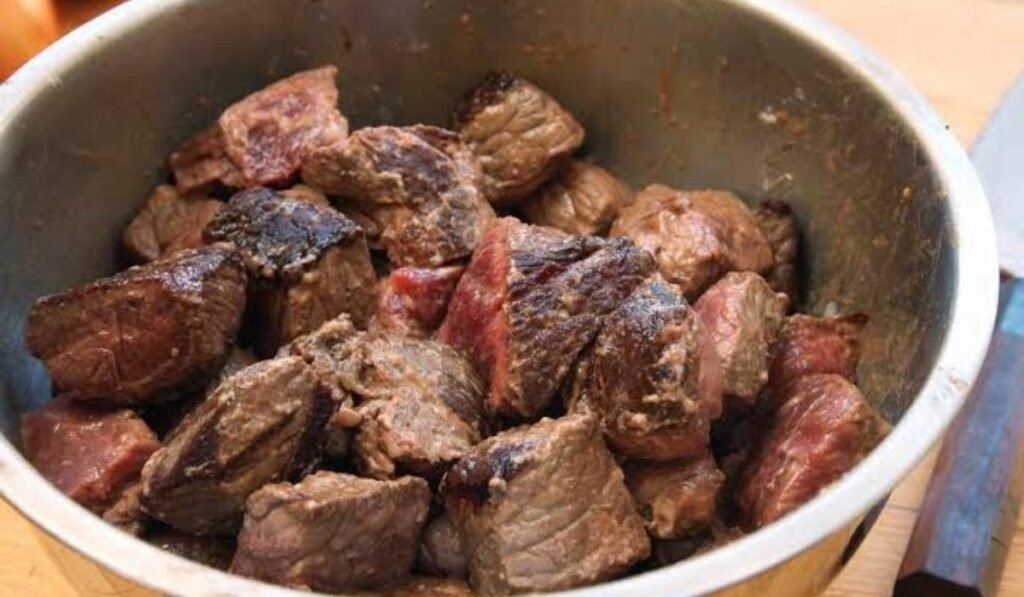
Before you start to cook beef stew meat, take the time to prepare it properly. Pat the cubes thoroughly dry with paper towels. Moisture on the surface of the meat will cause it to steam instead of brown when it hits the hot pan. A dry surface is essential for the Maillard reaction, which creates the deep, caramelized crust responsible for most of the flavor. Season the meat generously with salt and pepper right before searing. This simple preparation step is the foundation of a flavorful stew, ensuring that every bite is seasoned and deeply browned from the start.
The Importance of the Initial Sear
Searing is non-negotiable when you cook beef stew meat. Heat a heavy-bottomed pot or Dutch oven over high heat with a splash of oil. Add the beef in batches, ensuring you do not overcrowd the pan. If the pan is too crowded, the meat will release moisture and boil in its own juices. You want to see a dark, crusty brown color on at least two sides of each piece. This browned crust, known as the “fond,” will eventually dissolve into your cooking liquid, providing a rich, complex flavor base that you simply cannot achieve by adding raw beef directly.
Choosing the Best Cooking Vessel
The best pot to cook beef stew meat is a heavy Dutch oven. These pots are designed for low, slow heat distribution, which prevents the liquid from boiling too aggressively and keeps the meat tender. If you do not have a Dutch oven, a heavy-duty stainless steel pot or even a slow cooker will work. However, the Dutch oven allows you to sear the beef and simmer the stew in the same vessel, which keeps all the flavorful browned bits (fond) in your final dish. Investing in a good-quality pot is a game-changer for long-simmering comfort foods.
Building a Flavorful Foundation
After searing, remove the beef and add your aromatic base to the same pot. To cook beef stew meat with depth, sauté onions, carrots, and celery in the rendered beef fat. If you want more complexity, add minced garlic, tomato paste, and perhaps a pinch of herbs like thyme or rosemary during these final minutes of sautéing. The tomato paste should be cooked for a minute or two until it turns a deep rust color; this removes the raw, metallic edge and adds a hidden layer of umami that elevates the finished stew to a whole new level.
Deglazing for Added Complexity
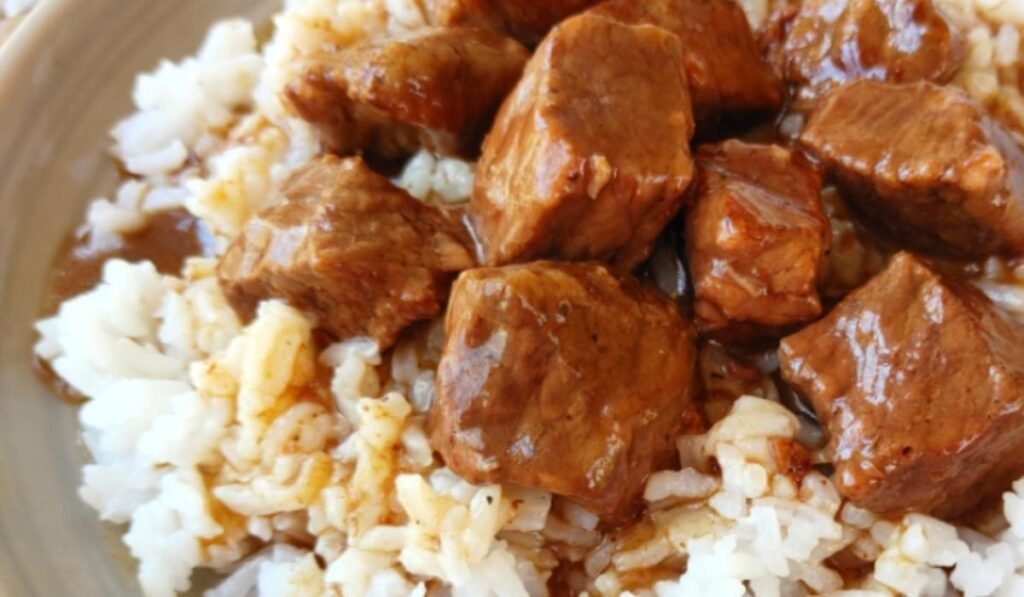
Once your vegetables are soft, it is time to deglaze, a crucial step to cook beef stew meat like a pro. Pour in a splash of red wine or beef broth. Use a wooden spoon to scrape up all the browned bits from the bottom of the pot. These bits are concentrated flavor. If you choose to use red wine, let it simmer until it has reduced by half. This reduces the acidity of the wine and leaves behind a concentrated, savory base that will infuse every single piece of beef as it slowly braises in the liquid over time.
Selecting the Right Cooking Liquid
The liquid you use to cook beef stew meat will become the heart of your sauce. Beef broth is the most common choice, but you can also mix in canned tomatoes or even dark beer for a robust, earthy flavor. The liquid should almost, but not quite, cover the meat and vegetables. If you add too much, the stew will be thin; if you add too little, the meat will not braise properly. A good ratio is one part liquid to one part meat and vegetables, allowing the natural juices from the beef to meld perfectly into the broth.
Simmering Low and Slow
The core philosophy when you cook beef stew meat is “low and slow.” Bring the pot to a boil, then immediately turn the heat down to the lowest possible setting. You want a very gentle simmer—the occasional small bubble, not a rolling boil. Rapid boiling will tighten the protein fibers in the beef, making them tough and chewy. A gentle, quiet simmer is exactly what is needed to break down the collagen into gelatin, resulting in that fork-tender texture that characterizes a perfect beef stew. Patience is the primary ingredient during this part of the process.
Timing Your Vegetable Additions
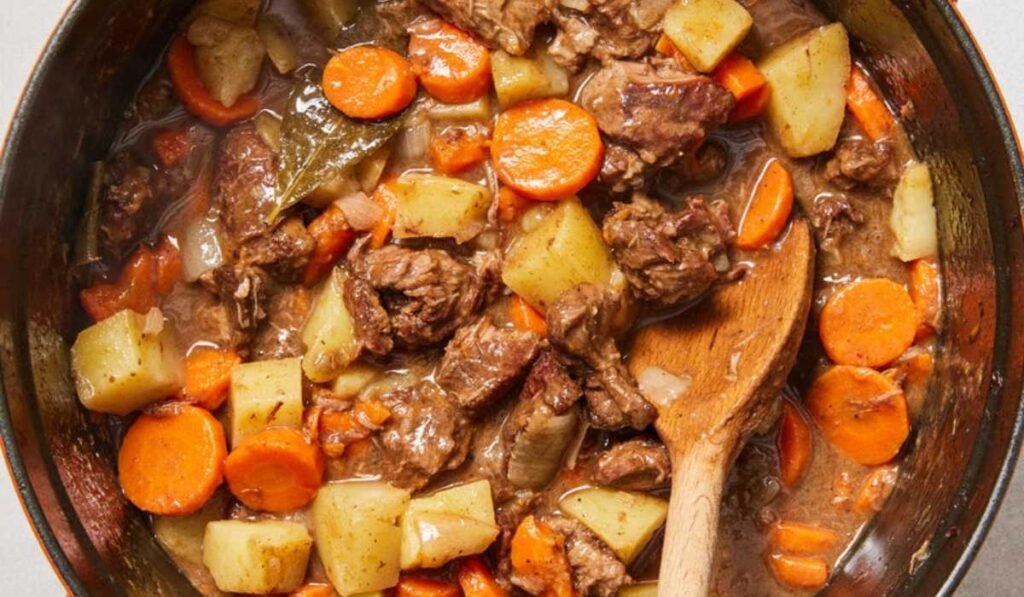
A common mistake when you cook beef stew meat is adding all your vegetables at the very beginning. If you add potatoes or soft vegetables at the start, they will disintegrate into mush long before the beef is tender. Add long-cooking vegetables like carrots early, but save delicate or soft vegetables like potatoes, mushrooms, or frozen peas for the last 45 to 60 minutes of cooking. This keeps the vegetables firm and visually appealing, ensuring that they provide a nice contrast in texture to the soft, braised beef, making the finished dish much more enjoyable to eat.
Skimming the Excess Fat
As you cook beef stew meat, you will notice a layer of fat rising to the top. This is normal, especially when using chuck roast. Take a large spoon and skim this fat off every so often. Leaving too much fat can make the sauce feel heavy and greasy. If you find the stew is very oily, you can also let it cool in the refrigerator overnight; the fat will solidify into a white layer on top, which can be easily lifted off. This results in a cleaner, more refined sauce that lets the flavors of the beef shine through.
Thickening the Stew
If you prefer a thicker, heartier sauce when you cook beef stew meat, there are several ways to achieve it. You can dust the beef cubes with flour before searing them; as the stew simmers, the flour will naturally thicken the liquid. Alternatively, you can mix a bit of cornstarch with cold water and stir it into the stew during the final 30 minutes of cooking. Another trick is to mash a few of the cooked potatoes against the side of the pot; the released starch will provide a rustic, natural thickness that feels perfectly authentic.
Using a Slow Cooker Method
Many people prefer to cook beef stew meat using a slow cooker for convenience. After searing the beef and sautéing the vegetables, transfer everything to the slow cooker and add the liquid. Set the slow cooker to low for 8 to 10 hours. The advantage of a slow cooker is that it maintains a constant, low temperature without any effort on your part. It is the perfect set-it-and-forget-it method for busy weekdays, ensuring that you return home to a perfectly cooked, tender, and delicious meal that is ready to be served immediately.
Adjusting Seasoning at the End
The final seasoning is vital when you cook beef stew meat. Because the liquid reduces and concentrates during the long simmer, wait until the very end to do a final taste test. You may need more salt, a pinch of sugar to balance the tomato acidity, or a splash of vinegar or Worcestershire sauce to brighten the flavors. The stew should taste balanced—not too salty, not too acidic, but deep and savory. Do not be afraid to add a final dash of fresh herbs like parsley just before serving to give the dish a bright finish.
Testing for Tenderness
How do you know when you are done? The only way to cook beef stew meat correctly is to test it. Use a fork to press down on a piece of beef; it should yield and fall apart with almost no resistance. If the beef still feels bouncy or firm, it needs more time. Don’t rush this. Beef chuck can sometimes take up to three hours to reach that perfect stage of tenderness. It is always better to simmer the stew for an extra 20 minutes than to serve meat that is difficult to chew and lacks the desired texture.
Incorporating Red Wine for Depth
If you want to cook beef stew meat with a classic French twist, never skip the red wine. A dry red wine like a Cabernet Sauvignon or a Merlot adds a level of sophistication that broth alone cannot match. The wine acids help tenderize the meat while adding a rich, fruity note that pairs beautifully with the savory beef. Even if you aren’t a wine drinker, the alcohol evaporates completely during the long simmer, leaving behind nothing but the essence of the grapes. It is a simple addition that makes a significant difference in professional results.
Storing and Reheating
If you have leftovers when you cook beef stew meat, you are in luck! Beef stew is one of those dishes that tastes even better the next day as the flavors continue to meld and develop in the refrigerator. Store it in an airtight container for up to three days. When reheating, use the stovetop on low heat and add a tiny splash of broth or water to bring the sauce back to life. Reheating it slowly prevents the meat from overcooking, keeping the beef tender for your second or even third enjoyable meal of the week.
Freezing for Future Meals
You can easily freeze the leftovers when you cook beef stew meat in large batches. Let the stew cool completely, then portion it into freezer-safe bags or containers. It will keep for up to three months. To serve, thaw it in the refrigerator overnight and reheat it gently on the stove. This is a fantastic way to stock your freezer with homemade, ready-to-eat meals. Having a portion of delicious, tender beef stew waiting for you after a long, busy day is a great reward and a hallmark of efficient, organized meal planning for your busy household.
Common Mistakes to Avoid
When you cook beef stew meat, avoid rushing the process. If you increase the heat to make it cook faster, you will end up with tough, dry meat. Also, do not forget to taste as you go; seasonings behave differently over long cooking times. Another common error is using a pot that is too small, which makes it difficult to stir and ensures uneven cooking. Treat the process with respect, take your time, and follow the basic principles of low-temperature braising. These simple habits are what separate an average home cook from a truly great one.
Serving Suggestions
When you finally cook beef stew meat to perfection, serve it alongside something that can soak up the rich sauce. Creamy mashed potatoes, crusty sourdough bread, or even buttered egg noodles are excellent choices. The goal is to ensure that not a single drop of that flavorful broth goes to waste. A sprinkle of fresh parsley or a dollop of sour cream on top can provide a lovely visual contrast and a bit of brightness. The combination of tender beef, hearty sauce, and a satisfying side makes this an elite, classic meal for any occasion.
Final Thoughts on Beef Stew
The ability to cook beef stew meat effectively is a fundamental skill that brings immense satisfaction to any cook. It is about patience, quality ingredients, and understanding how heat transforms tough proteins into something truly luxurious. Whether it is for a chilly winter night or a family Sunday dinner, a well-made stew is a testament to the power of simple, honest cooking. Keep practicing, experiment with different herbs and liquids, and soon you will find yourself mastering this timeless recipe without ever needing to look at a cookbook again. Your future family dinners will surely thank you for your effort.
- Why is my beef stew meat still tough after cooking? * It likely hasn’t been cooked long enough to break down the connective tissue; keep simmering until it is fork-tender.
- Should I flour the meat before searing? * Yes, dusting the beef with flour helps thicken the sauce and gives the meat a better crust.
- Can I cook this in a pressure cooker? * Yes, a pressure cooker is an excellent way to cook stew meat in a fraction of the time, usually in about 45 to 60 minutes.
- What is the best liquid to use? * A combination of beef broth and red wine provides the best depth of flavor.
- Why add vegetables at different times? * Adding them at different times ensures that fast-cooking vegetables like potatoes don’t turn into mush during the long beef braise.