Admin
Admin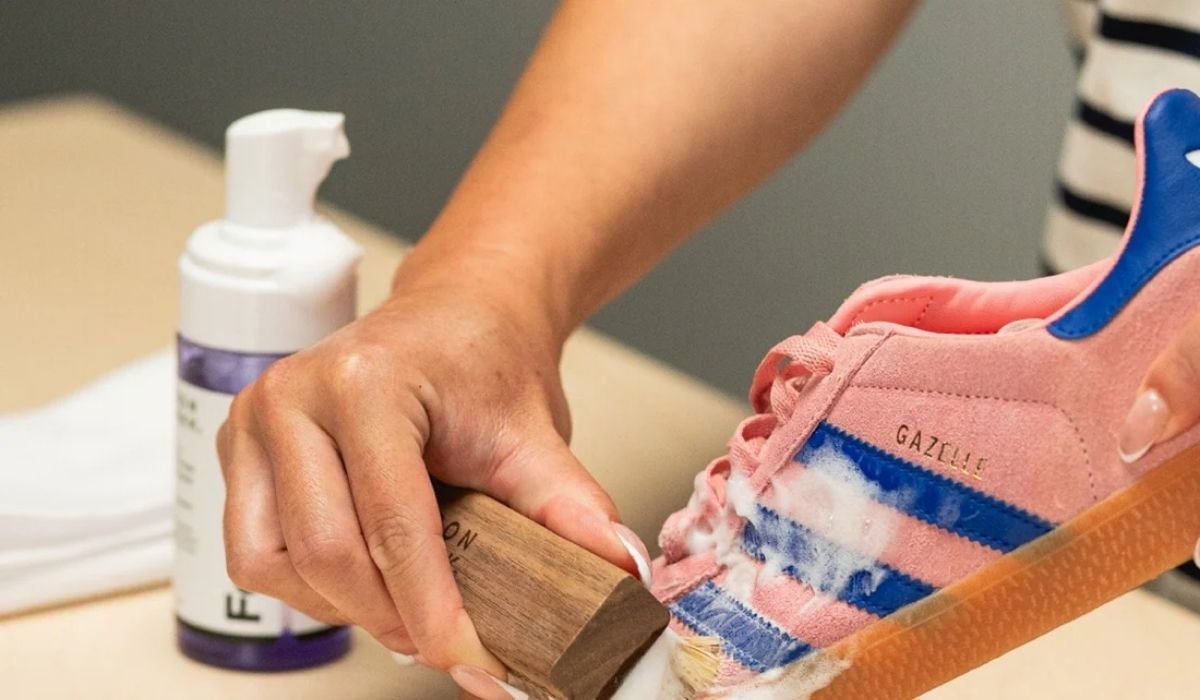
Suede is a beautiful, luxurious material that elevates any outfit, but its delicate nature often makes people nervous about cleaning it. When you need to wash suede shoes, you must avoid the common mistake of using excessive water or harsh household detergents, which can permanently ruin the nap and texture of the leather. Proper care requires patience, the right tools, and a gentle touch to lift dirt without damaging the delicate fibers. This comprehensive guide will walk you through safe, effective methods to maintain your favorite pair, ensuring they stay looking crisp, clean, and stylish for many years of comfortable wear.
| Feature | Details |
| Primary Goal | How to safely wash suede shoes |
| Essential Tools | Suede brush, eraser, and white vinegar |
| Golden Rule | Avoid excessive water at all costs |
| Best Practice | Brush regularly to maintain the nap |
| Pro Tip | Always test cleaners on a small hidden area |
Understanding the Delicate Nature of Suede
To effectively wash suede shoes, you first need to understand that suede is actually the underside of animal hide. Unlike smooth leather, which is treated to be water-resistant, suede has an open, porous structure that absorbs moisture and oils rapidly. This makes it highly susceptible to stains and discoloration. When the fibers get wet or dirty, they tend to clump together, losing the soft, velvety “nap” that gives the material its signature look. Respecting this delicate structure is the key to successful cleaning; you are not just removing dirt, but also preserving the integrity of the surface fibers.
Essential Tools for Your Cleaning Kit
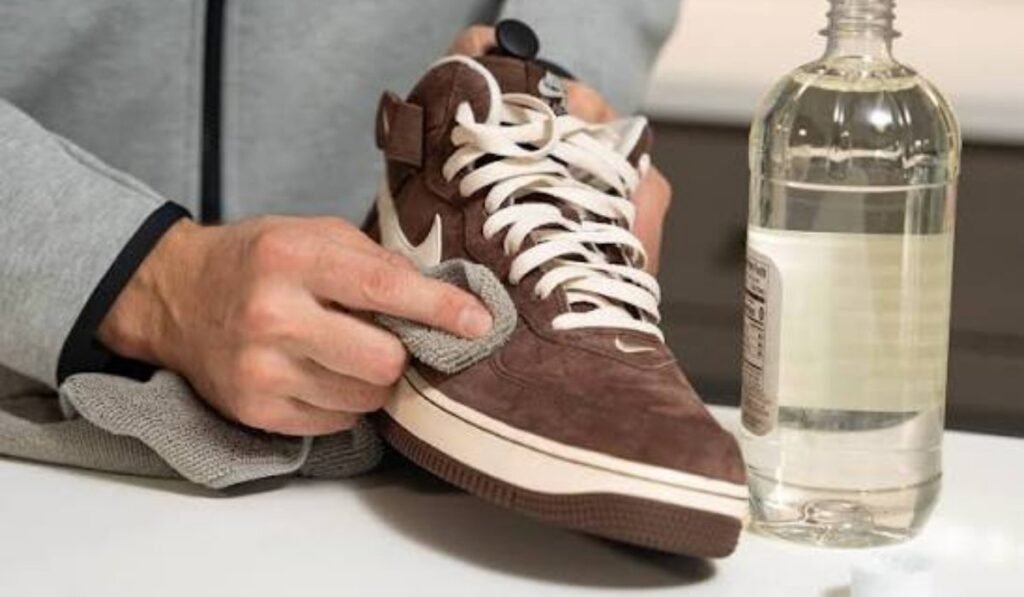
Before you attempt to wash suede shoes, gather the correct supplies. You will need a dedicated suede brush, which has soft bristles to lift dirt without scratching. A pencil eraser or a specialized suede eraser is crucial for targeting stubborn scuffs or dried-on debris. You should also have a clean, soft cloth and a small bottle of white vinegar or rubbing alcohol for tough, set-in stains. Having these items ready ensures you can handle various types of grime. Never use stiff wire brushes or generic soap, as these can easily tear the delicate suede material beyond repair.
The Importance of the Suede Brush
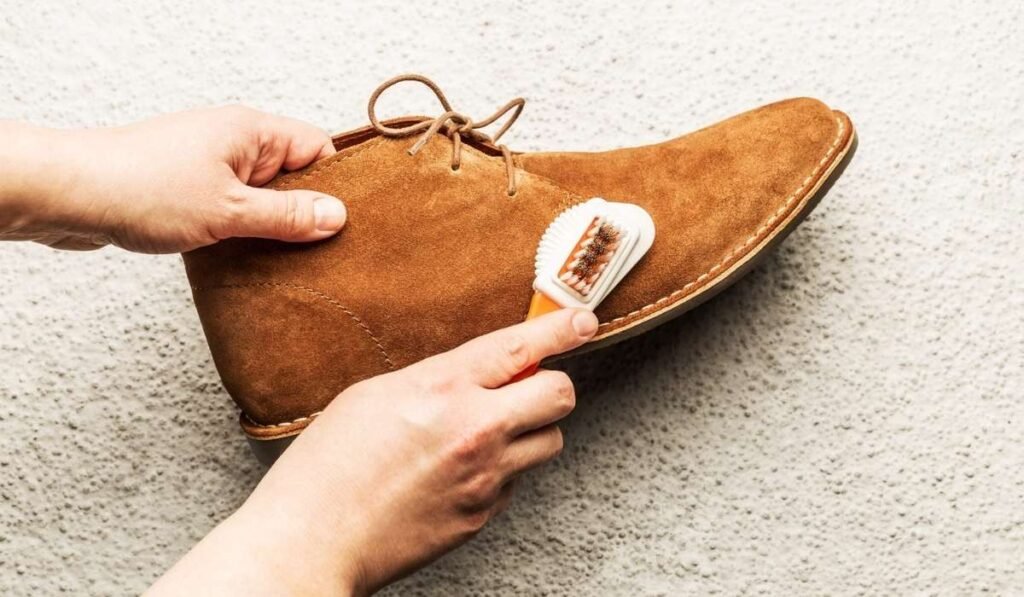
Regular brushing is the most important step when you wash suede shoes or even just maintain them. Brushing helps dislodge surface dust and realigns the fibers to keep the nap looking uniform and fresh. Always brush in one consistent direction to avoid causing uneven patches. If you find a particularly stubborn spot, you can brush back and forth briefly to lift the debris, but follow up by brushing in the primary direction to reset the nap. Consistent maintenance with a brush prevents dirt from settling deep into the leather, making future deep cleans significantly easier and faster to perform.
Tackling Dry Dirt and Dust
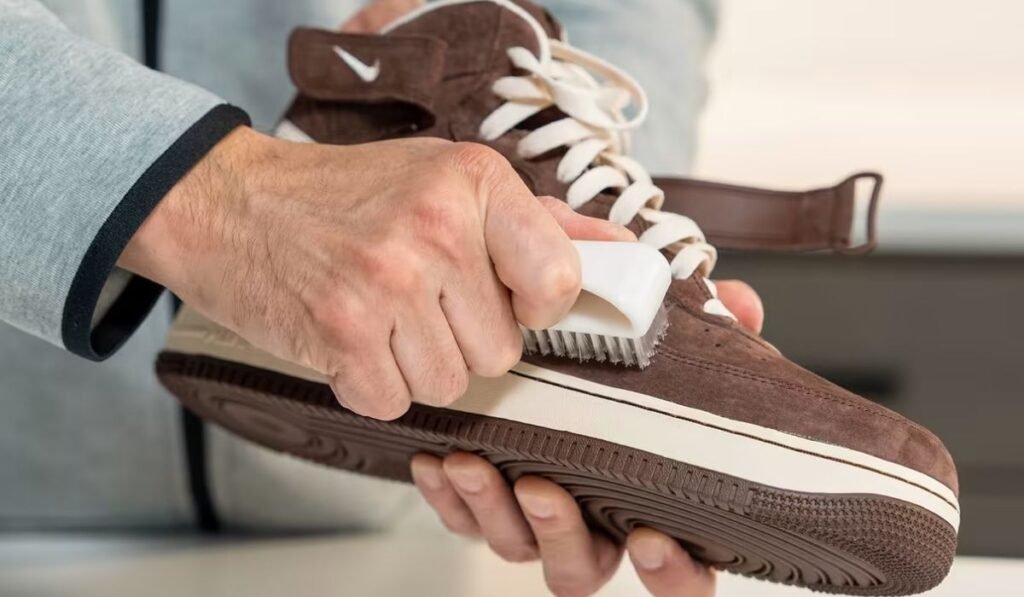
If your goal is to wash suede shoes that are only covered in dry dirt, start by brushing them thoroughly. If the dirt is caked on, let it dry completely before brushing, as scrubbing wet mud will only smear the debris deeper into the fibers. Once the dirt is dry, use your suede brush to gently flick the particles off the surface. For any lingering spots, use a soft suede eraser to lightly buff the area. This dry-cleaning approach is often enough to restore your footwear without needing to introduce any liquids, which is the safest method for the material.
Dealing with Water Stains
Ironically, water is one of the biggest threats when you wash suede shoes. If your shoes get unevenly wet and develop water spots, don’t panic. The trick is to dampen the entire shoe lightly and evenly. Using a clean cloth, slightly mist the surface with water so it is uniformly moist, not soaked. Use a dry sponge to soak up excess moisture, then stuff the shoes with white paper towels or shoe trees to hold their shape. Allow them to air dry completely in a cool place, away from direct heat or sunlight, which can cause the suede to crack.
Removing Stubborn Grease or Oil
Grease is notoriously difficult when you wash suede shoes, but cornstarch can save the day. If you drop oil on your suede, immediately blot the excess with a clean cloth, then cover the spot with a generous layer of cornstarch or baby powder. Let it sit for several hours—or even overnight—to allow the powder to absorb the oil. Brush away the powder the next day. If the stain remains, you may need to repeat the process or use a tiny drop of white vinegar on a cloth to gently dab at the remaining residue, taking care not to soak the leather.
Using White Vinegar for Tough Stains
For persistent stains, a little white vinegar can be a game-changer when you wash suede shoes. Mix a small amount of white vinegar with an equal part of water. Dip a clean cloth into the solution, wring it out so it is just damp, and gently rub the stained area. The acidity of the vinegar helps break down the stain without being overly harsh. After applying, let the area air dry, then use your suede brush to “fluff up” the nap, as the vinegar might cause the fibers to lie flat temporarily. This method is highly effective for dried-on spills.
The Eraser Technique for Scuffs
Scuffs are inevitable, but they don’t have to be permanent when you wash suede shoes. A clean pencil eraser is often the best tool for this. Gently rub the scuffed area back and forth; the friction will lift the dirt particles from the fibers. If the scuff is deep, you might need to use a bit more pressure, but be careful not to wear the suede down. Always finish by brushing the area to blend the fibers back into the rest of the shoe’s surface. This technique is surprisingly effective for restoring the look of worn-out heels or toes.
Maintaining the Nap After Cleaning
Once you finish the process to wash suede shoes, the nap often looks a bit flattened. This is perfectly normal. Take your suede brush and work the fibers in various directions, then finish with a consistent stroke in the direction of the nap. If the fibers seem especially matted, you can hold the shoe over a steaming tea kettle for a few seconds—keeping it at a safe distance—to soften the fibers, then immediately brush them. This professional trick helps revive the soft, velvety texture, making your footwear look brand new and ready to wear again with pride.
The “Dry First” Policy
The golden rule is to always try dry-cleaning methods first when you wash suede shoes. Water should be the absolute last resort because of the risk of permanent discoloration or stiffening. Start with the brush, move to the eraser, and only use liquid solutions if absolutely necessary. Most everyday dirt can be managed without any moisture at all. By adopting a “dry first” policy, you drastically reduce the chances of damaging your expensive footwear, keeping your cleaning routine simple, safe, and highly effective for maintaining that pristine, high-end look that suede is famous for.
Protecting Your Shoes Before Wear
An ounce of prevention is better than having to wash suede shoes later. Always apply a high-quality suede protector spray before you wear them for the first time. This creates an invisible barrier that repels water, dust, and minor stains. If a spill happens, the liquid will bead up on the surface instead of sinking in. Remember to reapply this protector every few months, especially if you live in a rainy climate. A well-protected shoe stays clean significantly longer and requires much less intense maintenance, making your life as a shoe lover much easier.
How to Handle Salt Stains
Winter months can be brutal, and salt is the enemy when you wash suede shoes that have been exposed to icy sidewalks. Salt leaves unsightly white rings that are hard to remove. Use a solution of one part vinegar to two parts water to gently dab away the salt residue. Because salt can be corrosive to leather, it is important to treat these stains as soon as possible after they appear. Once the salt is removed, follow up with your brush to restore the texture, and be sure to apply a fresh layer of protective spray once the shoes are dry.
Avoid Direct Heat Sources
When you wash suede shoes, you must ensure they dry in a neutral environment. Never, under any circumstances, place your shoes near a radiator, fireplace, or space heater to speed up the drying process. High, direct heat will draw the natural oils out of the leather, causing it to become stiff, brittle, and eventually crack. Always let them air dry in a well-ventilated area away from direct sunlight, which can fade the color. Patience is your best friend when caring for suede; the slower they dry, the better they will look once they are ready to wear.
Cleaning Suede Laces
Don’t forget the laces when you wash suede shoes. If your laces are made of suede, you should treat them similarly—brushing them gently or using an eraser to remove dirt. If the laces are fabric, you can remove them and wash them in a small mesh bag in the laundry. Cleaning the laces is a small detail that makes a huge difference in the overall appearance of the shoe. Crisp, clean laces make even slightly worn suede look much sharper and well-maintained. Always ensure they are completely dry before you thread them back through the eyelets of your cleaned shoes.
Storing Your Suede Footwear
Proper storage is the best way to keep from having to wash suede shoes too frequently. Store your shoes in a cool, dry place with good airflow, such as a closet with cedar shoe trees to absorb moisture and maintain shape. Wash Suede Shoes If you don’t have shoe trees, stuff them with acid-free tissue paper. Avoid storing them in plastic bags, as this traps moisture and encourages mold or mildew growth, which is nearly impossible to remove from suede. Keep them upright and away from heavy objects that could crush the delicate nap and ruin the texture over time.
Dealing with Mold and Mildew
If you discover mold while you wash suede shoes, act fast. Mold is a health hazard and can spread quickly. First, take the shoes outside and brush off all visible mold. Wipe the entire surface with a cloth dampened with a solution of equal parts water and white vinegar. This will kill the spores. Allow the shoes to dry Wash Suede Shoes thoroughly in a well-ventilated area. If the mold smell persists or returns, it is likely in the lining, and you may need to take the shoes to a professional cleaner who has access to industrial-grade sanitizing treatments to save them.
When to Consult a Professional
Sometimes, despite your best efforts to wash suede shoes yourself, Wash Suede Shoes a stain might be too deep or the material too expensive to risk. If you have high-end designer suede or a vintage pair that you are worried about, there is no shame in taking them to a professional leather and suede cleaner. They have specialized equipment, including steam cleaners and non-solvent detergents, that can safely remove heavy grime without damaging the fibers. It is a small investment that can extend the life of a valuable pair of shoes by many years.
Testing Cleaners on Hidden Spots
Before you apply any liquid, spray, or foam to wash suede shoes, always test it in a discrete area. The inside of the heel or a small spot near the tongue works well. Apply a tiny amount, let it dry completely, and observe the results. Check for any color bleeding, texture changes, or staining. If the material looks good, you can proceed with confidence. This simple test takes less than a minute but can save you from a major cleaning disaster, especially with colored suede that may be prone to fading or spotting.
Reviving Faded Color
If your shoes have lost their vibrancy, you don’t necessarily have to wash suede shoes with chemicals to restore them. Suede dyes and color-restoring sprays are available specifically for this purpose. If you use a color spray, be sure to match the shade perfectly and apply it in a well-ventilated area. These sprays can help hide patches of wear where the nap has been rubbed thin. Always use these products sparingly and finish with a coat of protective spray to lock the new color in and keep your shoes looking as vibrant as the day you bought them.
The Long-Term Benefits of Proper Care
Ultimately, the time you spend to wash suede shoes correctly pays off in the longevity and appearance of your collection. Suede that is cleaned regularly with gentle methods will stay soft and supple for years, while neglected suede will inevitably stiffen and look worn out. By following these professional-level cleaning tips, you become the steward of your own wardrobe. You will find that you are much more confident wearing your favorite suede items, knowing that you have the knowledge and tools to keep them in pristine condition regardless of where your day takes you.
- Can I put suede shoes in the washing machine? * No, never put suede shoes in the washing machine, as the water and agitation will permanently ruin the texture and shape.
- How do I get mud off suede? * Let the mud dry completely, then gently brush it away with a suede brush before using an eraser for any remaining spots.
- Is it safe to use a hair dryer on wet suede? * No, never use a hair dryer or any direct heat source, as it can cause the leather to crack and become brittle.
- How often should I brush my suede shoes? * Brushing them lightly after every wear or whenever they look dusty is the best way to maintain the nap.
- Will white vinegar stain my suede? * When used in a diluted form and applied gently, white vinegar is safe, but always test on a hidden area first.