Sky Bloom IT
As workforces become more flexible, security risks no longer stop at physical doors or digital logins. When employee status, access rights, and monitoring systems operate in silos, gaps emerge that put operations at risk.
Let’s explore how cyber-physical convergence closes those gaps by unifying workforce data with security controls, ensuring digital and physical assets remain protected at every moment.
What Is Cyber-Physical Convergence in Workforce Security?
Cyber-physical convergence refers to the integration of digital workforce systems with physical security infrastructure to create a single, coordinated control environment. Instead of managing HR records, access permissions, and attendance separately, organizations unify them to protect digital and physical assets simultaneously.
This convergence ensures that workforce status directly influences facility access, system permissions, and monitoring rules. As workplaces become more dynamic, unified control reduces risk, human error, and unauthorized access across offices, data centers, and restricted zones.
Why Does Leave Management Impact Physical Security?
Employee leave is often treated as an administrative function, but it has direct security implications. When leave records are not synchronized with a building access control system in Qatar, employees on approved leave may still retain access to facilities or sensitive areas.
This creates exposure for digital and physical assets, especially in regulated or high-security environments. By aligning leave approvals with physical access permissions, organizations ensure that absence automatically restricts entry privileges until the employee returns to active status.
How Do Integrated Systems Prevent Unauthorized Facility Access?
Modern platforms link leave management software with a people access control system, enabling automated enforcement of access policies. Once leave is approved, access rights are instantly suspended across doors, zones, and systems. This automation eliminates reliance on manual updates and reduces administrative gaps.
What Role Does Attendance Data Play in Cyber-Physical Control?
Attendance logs serve as a real-time validation layer between workforce activity and security enforcement. When attendance systems are synchronized with access platforms, discrepancies are immediately flagged.
If an individual attempts entry while marked absent, alerts are triggered for investigation. This coordination strengthens accountability while supporting compliance. A door access control system in Qatar integrated with attendance data ensures that presence, authorization, and access remain consistently aligned across facilities.
How Do Biometrics Strengthen Workforce Access Accuracy?
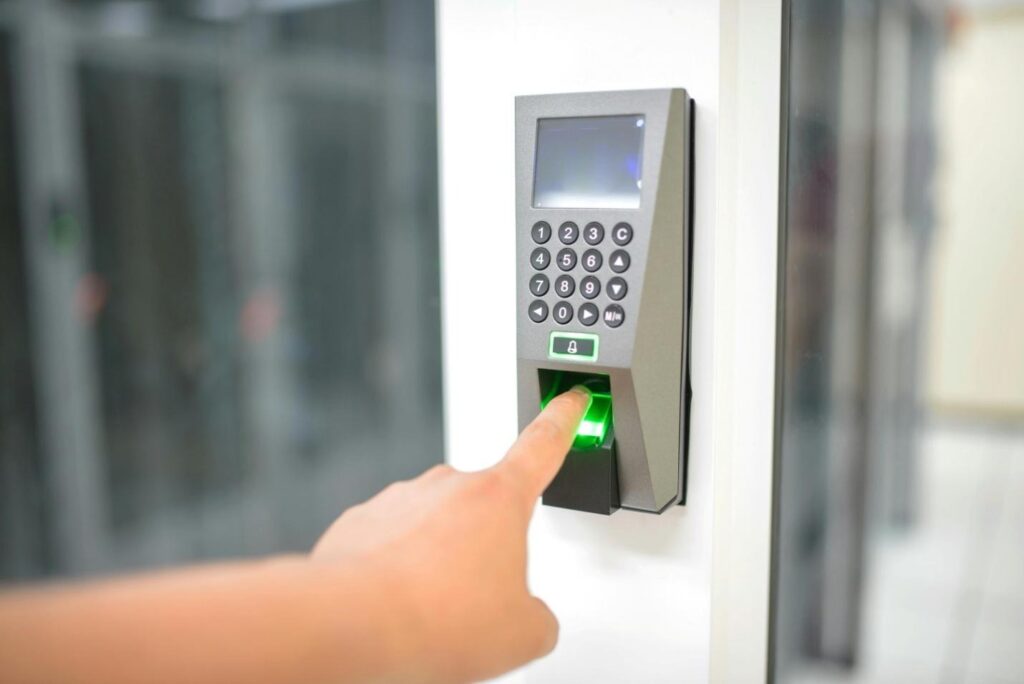
A biometric access control system enhances convergence by tying access permissions directly to verified identity rather than transferable credentials. Biometrics prevent credential sharing and ensure only authorized individuals can access restricted zones.
When biometric systems synchronize with leave management, employees on leave are automatically denied entry even if credentials remain physically available. This layered approach significantly strengthens protection for digital and physical assets while maintaining operational efficiency.
Why Is Matrix Access Control Suitable for Unified Workforce Environments?
Matrix access control platforms are designed to support complex organizational structures with centralized policy enforcement. These systems integrate leave data, attendance records, and physical access into a unified dashboard.
Administrators gain real-time visibility into workforce status and facility access without managing separate platforms. This scalability makes Matrix solutions ideal for enterprises, government facilities, and multi-site operations seeking consistent protection of digital and physical assets.
How Does Real-Time Monitoring Reduce Insider Risk?
Real-time monitoring connects workforce status with live security oversight. When access attempts occur during leave periods, systems respond instantly by blocking entry and notifying security teams. This proactive response minimizes insider risk and supports rapid intervention.
Research consistently identifies insider-related incidents as a significant organizational threat, underscoring the value of synchronized monitoring across cyber and physical domains.
What Operational Benefits Go Beyond Security?
Beyond protection, convergence improves efficiency and transparency. Automated access updates reduce administrative workload and eliminate delays. HR, security, and operations teams operate from a shared data framework, reducing miscommunication.
Facilities using integrated systems experience smoother audits, clearer reporting, and stronger governance over digital and physical assets, supporting long-term resilience and regulatory compliance.
Frequently Asked Questions
1. Does leave integration slow down access management?
No, automation ensures instant updates without manual intervention.
2. Can these systems scale across multiple locations?
Yes, centralized platforms support multi-site deployments.
3. Is biometric data securely stored?
Yes, modern systems use encrypted templates for privacy protection.
4. Do these systems support regulatory audits?
Yes, centralized logs simplify compliance and reporting.
Why Adax Business Systems Enables Unified Workforce Protection
Adax Business Systems delivers intelligent solutions that align workforce management with security infrastructure, creating a unified security access control system for modern organizations. By integrating leave management with physical access, Adax ensures digital and physical assets remain protected at all times.
Their expertise spans advanced biometric access control system deployments, enterprise-grade access platforms, and time-attendance synchronization. As a trusted Matrix access control system supplier in Qatar, Adax also supports face recognition attendance system solutions and Matrix Vega time attendance machine integrations.
Contact them today to implement unified leave, attendance, and access control solutions built for modern organizations.
About the Author
The author is an independent technology writer specializing in enterprise security, workforce systems, and operational risk management. With experience covering access control, compliance, and infrastructure integration, the author focuses on translating complex security concepts into clear, practical insights for decision-makers.