World rankers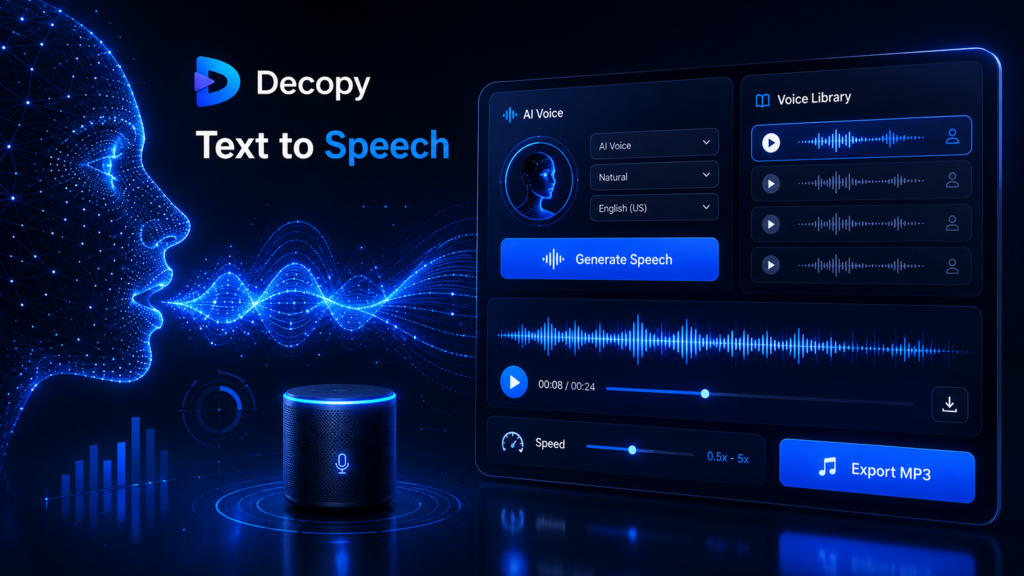
Learning a new language or managing a team across different countries is a difficult task. You often struggle with how words sound or how to explain complex ideas to people who speak different tongues. Communication gaps can lead to mistakes in business and slow progress for students. Modern technology helps bridge these gaps by turning written words into clear audio. This allows you to hear the correct rhythm and tone of a language without needing a tutor on standby at all hours.
Many people find that listening to text helps them memorize vocabulary much faster than reading alone. When you use high quality text to speech tools, you get a consistent model for pronunciation. This is helpful for students who want to practice at home or on the move. You can paste your lesson notes into a reader and listen to them while you do chores or commute. It turns every spare moment into a chance to improve your listening skills.
Finding a free ai for language learning can save you a lot of money on expensive software or private lessons. These tools provide a way to check your own writing by hearing it read back to you. If a sentence sounds awkward when the AI reads it, you probably need to rewrite it for better flow. This immediate feedback loop is vital for anyone trying to reach fluency. It helps you catch errors that your eyes might skip over on a screen.
Real World Scenario 1: Individual Language Learners
The most common use for this technology is individual study. Language learners often face the “silent period” where they understand grammar but cannot speak clearly. They use audio tools to hear how native speakers group words together. This is not just about single words. It is about the flow of a full sentence.
Students use a method called shadowing. They play a sentence and try to repeat it at the exact same time as the voice. This builds muscle memory in the mouth and throat. By using AI voices, students can slow down the speed to 0.75x or 0.5x. This makes it easier to hear the small sounds that are often lost in fast conversation.
Another scenario involves vocabulary building. A student might have a list of 50 new words. Instead of just looking at them, they generate an audio file. They listen to the list while walking in the park. This multi-sensory approach helps the brain store information in different ways. It makes the learning process feel less like a chore and more like a natural part of the day.
Real World Scenario 2: Global Business Teams
Global companies have employees in many different time zones. Training these employees is a massive challenge. If a manager in New York writes a manual, a worker in Tokyo might struggle with the tone or specific phrasing. Teams now use audio versions of their documents to ensure everyone is on the same page.
When a team reviews a script for a presentation, they often use AI voices to hear how it sounds to an audience. Reading a script silently is different from hearing it spoken aloud. If the script sounds too formal or too aggressive, the team can change the words before the actual meeting. This saves time and prevents cultural misunderstandings.
HR departments also use this for onboarding. New hires can listen to company policies in their native language while following along with the English text. This helps them learn the specific corporate language used by the company. It makes the transition into a new role much smoother for international talent.
Real World Scenario 3: Content Creators and Educators
Teachers and YouTubers often need to reach a global audience. Creating high quality audio for every language is expensive if you hire voice actors for every project. Instead, they use AI to create narrations for their videos or online courses. This allows them to offer their content in Spanish, French, German, or Mandarin with very little extra cost.
Educators use this to help students with reading disabilities like dyslexia. By providing an audio version of a textbook, they make the information accessible to everyone. The student can listen and read at the same time, which improves comprehension and reduces frustration. It levels the playing field for all learners in a classroom.
Content creators also use these tools to proofread their work. When you write a long blog post or a book, you become blind to your own mistakes. Hearing the text read by a neutral voice helps you spot missing words or repetitive phrases. It is like having a professional editor read your work back to you.
Benefits per Scenario
Each group of users gets specific advantages from using audio technology. The needs of a student are different from the needs of a CEO, but the underlying tool provides value to both.
| Scenario | Main Benefit | User Type |
| Language Learning | Accurate Phonetics | Individual Students |
| Corporate Training | Consistent Messaging | HR and Managers |
| Content Reach | Global Accessibility | Creators |
| Script Review | Tone Correction | Marketing Teams |
| Accessibility | Inclusive Learning | Educators |
For students, the benefit is confidence. When you know how a word is supposed to sound, you are less afraid to say it in public. This reduces the anxiety that often stops people from practicing their speaking skills.
For business teams, the benefit is speed. You do not have to wait for a voice actor to record a new version of a training video. You can update the text, click a button, and have a new audio file in seconds. This keeps the company agile and ensures that information is always up to date.
For creators, the benefit is scale. You can talk to the whole world without being a polyglot yourself. It opens up new markets and allows your ideas to travel further than they ever could in just one language.
Practical Workflow for Success
To get the most out of these tools, you should follow a structured process. Simply pasting text and hitting play is a start, but a better workflow leads to better results.
First, you must prepare your text. Remove any weird formatting or symbols that might confuse the AI. Break long paragraphs into smaller chunks. This helps the AI maintain a natural rhythm and prevents the voice from sounding robotic or rushed.
Second, choose the right voice for the job. Most tools offer a variety of accents and genders. If you are practicing for a business meeting in London, choose a British English voice. If you are making a video for a younger audience, choose a voice that sounds energetic and friendly. Matching the voice to the context is key for engagement.
Third, adjust the settings. Most platforms allow you to change the pitch and speed. For pronunciation practice, a slower speed is better. For reviewing a long report, a slightly faster speed helps you get through the material quickly while still catching errors.
Fourth, listen and take notes. Do not just let the audio play in the background. If you hear a word that sounds strange, look it up. If a sentence feels too long, shorten it. Use the audio as a guide to improve your original written content.
Finally, save and share. If you are working in a team, send the audio file to your colleagues. If you are a student, save the file to your phone so you can listen to it later. Repetition is the secret to mastering any new skill or piece of information.

Conclusion
Text to speech technology has changed how we interact with languages and global colleagues. It removes the barriers of cost and location. You no longer need to live in a foreign country to hear native speakers every day. You do not need a massive budget to train a global workforce.
By using these tools, you improve your pronunciation, catch errors in your writing, and make your content accessible to everyone. It is a practical solution for a world that is becoming more connected every day. Whether you are a student or a professional, adding audio to your routine will help you communicate more clearly and effectively. Focus on the tools that offer the best voices and the most flexibility to ensure your success.
The ability to turn text into clear speech is a powerful asset. It allows you to learn faster and work smarter. Start by using it for small tasks like checking an email or practicing a few new words. You will soon see how much of a difference it makes in your daily life and your career. Clear communication is the foundation of all great achievements, and these tools put that power in your hands.