Khizar Seo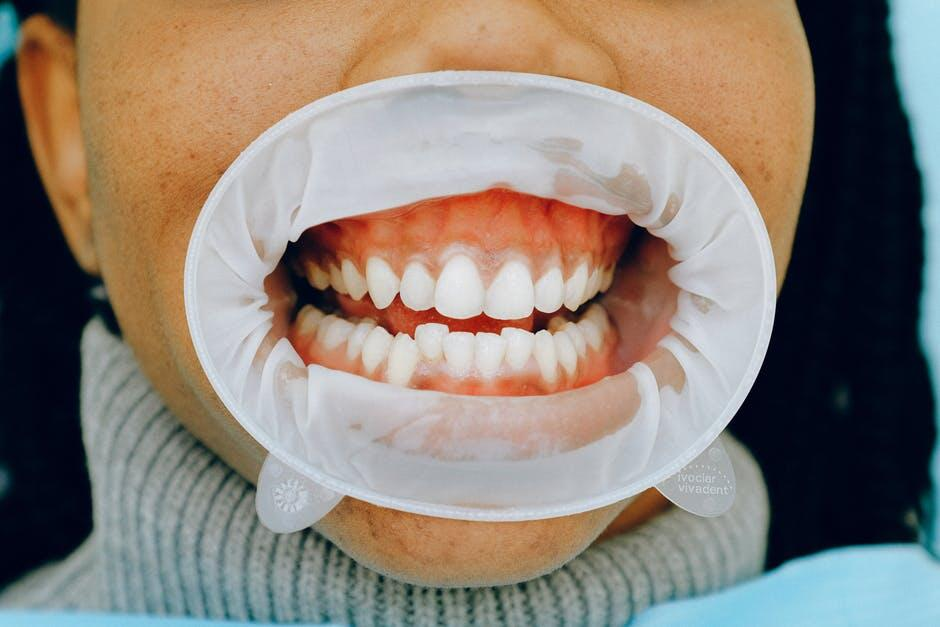
Gum disease is a common problem that affects many people. It starts when plaque builds up on teeth and along the gum line. Plaque is a sticky film of bacteria that can harm gums if it is not removed.
At first, gum disease may seem mild, but it can become serious over time. If not treated early, it can lead to tooth loss and other health issues. Knowing the early signs can help you act fast. Continue reading to discover everything you need to know.
What Causes Gum Disease
Gum disease is mainly caused by poor oral hygiene. When brushing and flossing are not done properly, plaque stays on teeth. This can irritate the gums and cause infection.
Other factors can also increase risk. These include smoking, poor diet, stress, and certain health conditions. Hormone changes can also affect gum health.
Understanding the causes helps you take better control of your oral care. Regular dental visits and proper cleaning habits can lower your risk and keep your gums strong over time.
Early Signs You Should Not Ignore
The early stage of gum disease is called gingivitis. It often begins with red or swollen gums. You may also notice bleeding when you brush or floss.
Bad breath that does not go away can also be a sign. Gums may feel tender or sensitive. These symptoms may seem small, but they are important warnings. Acting early can prevent serious damage.
Changes in Gum Appearance
Healthy gums are firm and light pink in color. When gum disease begins, gums may look darker or red. They may also appear puffy or swollen.
You may notice that your gums bleed more easily. This can happen during brushing or even when eating. These changes show that your gums need attention. Ignoring them can lead to bigger problems.
Gum Recession and Tooth Sensitivity
As gum disease gets worse, gums may start to pull away from the teeth. This is called gum recession. It can make teeth look longer than normal.
When gums recede, the roots of teeth may become exposed. This can cause sensitivity to hot or cold food. It may also make brushing uncomfortable. Early care can help stop this process.
How Gum Disease Spreads
If not treated, gum disease can move deeper into the gums. It can affect the bones that support your teeth. This stage is more serious and harder to treat.
Infections can spread and create pockets between teeth and gums. These pockets trap bacteria and make cleaning harder. Over time, teeth may become loose. Stopping the disease early is the best way to avoid this stage.
Daily Habits to Prevent Gum Disease
Good daily habits can help stop gum disease before it spreads. Brushing twice a day removes plaque from teeth and gums. Flossing helps clean areas that a toothbrush cannot reach.
Using mouthwash can also help reduce bacteria. It adds an extra layer of protection. Consistent care is the key to healthy gums. Small steps each day make a big difference.
The Importance of Regular Dental Visits
Regular dental checkups are important for gum health. Dentists can spot early signs that you may not notice. They can also clean areas that are hard to reach at home.
Professional cleanings remove hardened plaque called tartar. This helps prevent gum irritation. Visiting the dentist regularly keeps your gums in good condition. Early detection leads to easier treatment.
Healthy Diet for Strong Gums
A healthy diet supports strong gums and teeth. Foods rich in vitamins and minerals help fight infection. Fruits, vegetables, and whole foods are good choices.
Drinking enough water also helps wash away food and bacteria. Avoiding too much sugar can reduce plaque buildup. Good nutrition plays a big role in oral health. What you eat affects your gums every day.
The Link Between Gums and Overall Health
Many people do not realize that gum health is connected to the body. Infections in the gums can affect other parts of the body. This is why oral care is so important.
In fact, gum health affects overall wellness in ways that go beyond your mouth. Keeping your gums healthy can support your general health. Taking care of your mouth helps your whole body.
Simple Steps to Stop Gum Disease Early
If you notice early signs, take action right away. Improve your brushing and flossing routine. Make sure you clean gently but thoroughly.
You can also visit your dentist for advice and treatment. Early care can reverse gingivitis and prevent further damage. Do not wait for pain to appear. Acting early saves time and effort.
Avoiding Common Mistakes
Some people brush too hard, thinking it will clean better. This can actually damage gums and make problems worse. It is better to use gentle, steady brushing.
Skipping flossing is another common mistake. Plaque can build up between teeth if not removed. Using the right tools and methods is important.
Avoiding these mistakes helps protect your gums. Choosing a soft bristle toothbrush and replacing it regularly can also improve results. Learning proper technique ensures better cleaning without harm.
Long Term Care for Healthy Gums
Keeping your gums healthy is a long term effort. Daily habits, regular checkups, and a good diet all play a role. Consistency is the key to success.
Even after treatment, it is important to continue good care. This helps prevent gum disease from coming back. Strong habits lead to lasting results. Healthy gums support a healthy smile. Over time, these habits build stronger protection, reduce future risks, and help you maintain a confident smile that lasts for many years.
Building a Healthy Smile for Life
Gum disease can start quietly, but it can grow into a serious problem. Knowing the early signs helps you take action before it spreads. Simple steps can protect your gums and teeth.
With proper care and attention, you can keep your smile strong and healthy. Taking care of your gums is an important part of your daily routine. A healthy smile begins with healthy gums. Staying consistent with daily habits and checkups helps prevent future issues and keeps your oral health on track.
For more on this content, visit the rest of our blog!