Khizar Seo
Home storage batteries have moved from a niche curiosity to a mainstream home upgrade, becoming a central component of modern home power solutions. As more families pair these systems with solar panels or simply seek energy independence, one question consistently rises above the rest: are these batteries actually safe to have in or near your home?
The appeal is undeniable. Home storage batteries offer genuine cost-saving energy benefits by storing cheap off-peak electricity, capturing solar power for later use, and keeping the lights on during grid outages. But alongside those benefits, legitimate concerns about battery installation safety deserve honest, thorough answers — not dismissal.
The good news is that safety in this industry is not an afterthought. Modern systems are built around smart Battery Management Systems (BMS) that continuously protect against dangerous conditions, while professional installation ensures every component works as intended within your home’s electrical ecosystem. Together, these pillars form the foundation of a genuinely safe setup.
This article gives tech-savvy homeowners a clear, practical roadmap — covering the engineering safeguards built into today’s batteries, how to assess and ensure proper installation, the smart technologies that keep systems running safely, and how safety and savings work together rather than against each other.
Understanding the Core Safety Mechanisms of Modern Home Batteries
Safety in modern home storage batteries is not bolted on as an afterthought — it is engineered into every layer of the system from the ground up. At the heart of this engineering is the Battery Management System, or BMS. This intelligent controller operates continuously in the background, monitoring three critical parameters: cell voltage, temperature, and state of charge. When any of these metrics drifts outside safe operating boundaries, the BMS responds immediately — throttling charge rates, triggering cooling responses, or initiating a full shutdown before a dangerous condition can develop. It prevents overcharging, which causes excessive heat buildup, and guards against deep discharge, which permanently degrades cell chemistry. Most critically, it is the primary defense against thermal runaway, a chain reaction where heat generates more heat, potentially leading to fire.
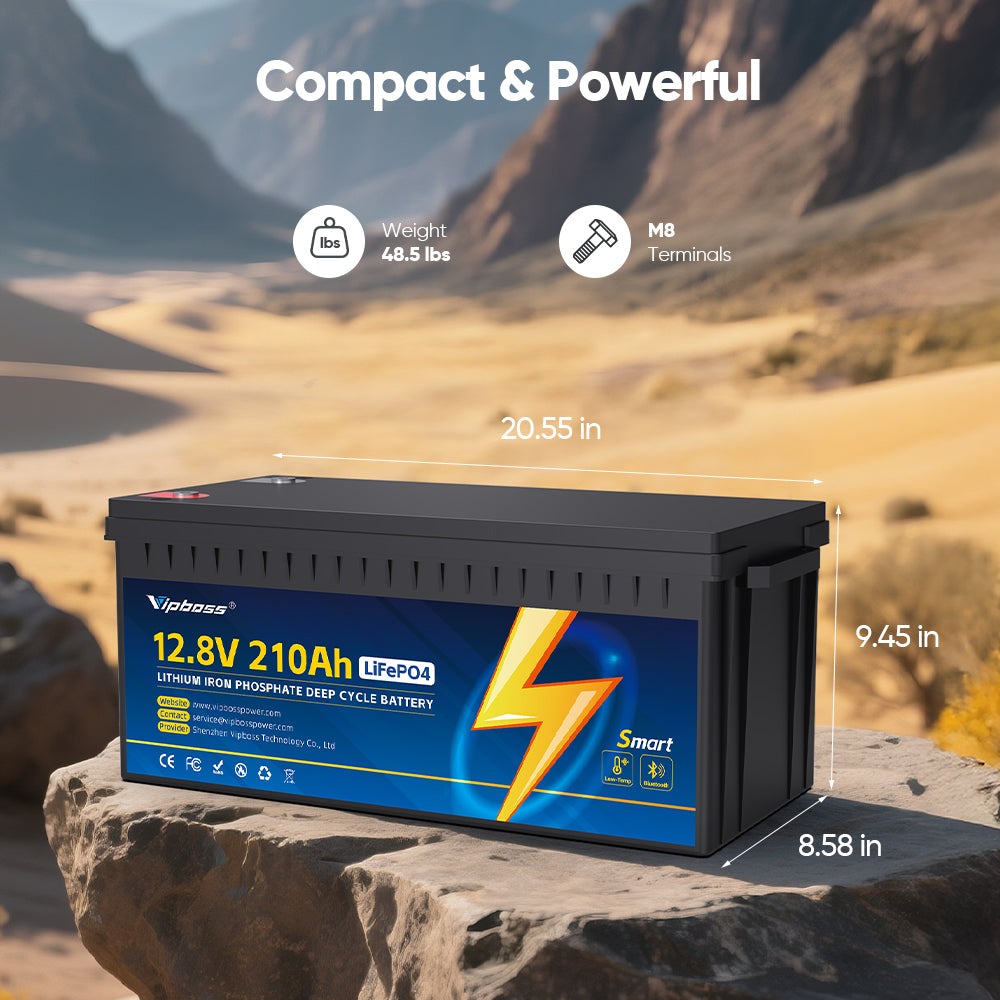
Beyond the BMS, modern batteries incorporate robust physical safeguards. Enclosures are constructed from flame-retardant materials rated to contain internal faults without spreading fire. Integrated ventilation systems manage heat dissipation during normal operation, while automatic disconnect switches isolate the battery from your home’s electrical system the moment an anomaly is detected. These are not optional upgrades — they are non-negotiable, standard components of any reputable home power solution.
Battery chemistry itself has also advanced significantly. Older lithium-ion formulations using cobalt-based cathodes carried real thermal instability risks. Today’s leading residential systems increasingly use Lithium Iron Phosphate, or LiFePO4, chemistry. This formulation is inherently more thermally stable, requires a far higher temperature to enter thermal runaway, and maintains structural integrity under stress far better than its predecessors. Manufacturers such as Vipboss have built their residential battery lineups around LiFePO4 technology precisely because of this superior safety profile. For families evaluating home storage options, LiFePO4 represents the current gold standard in safe battery chemistry — combining long cycle life with a genuinely lower risk profile compared to earlier technologies.
Assessing Battery Installation Safety: A Step-by-Step Guide for Homeowners
Step 1: Choosing the Right Location and Environment
Where you place your battery system matters as much as the technology inside it. The ideal location is a garage, dedicated utility room, or exterior wall mounting — spaces that are naturally separated from living areas and sleeping quarters. Temperature control is non-negotiable: most residential batteries operate safely between 32°F and 104°F (0°C–40°C), so avoid spaces that experience extreme heat in summer or freeze in winter without climate regulation. The area must stay dry, since moisture infiltration is one of the most common causes of electrical faults. Maintain clear clearance of at least three feet from combustible materials like cardboard storage, gas cans, or wooden shelving. Flood-prone areas such as low-lying basements are off-limits — water and high-voltage battery systems are an unacceptable combination regardless of enclosure ratings.
Step 2: The Non-Negotiable Role of Professional Installation
DIY battery installation is one of the highest-risk decisions a homeowner can make with this technology. Even experienced general handymen lack the specialized knowledge required to safely integrate a high-capacity battery into a home’s electrical system. You need a licensed electrician who holds specific certifications in energy storage systems and demonstrates familiarity with your local utility’s interconnection requirements. A proper installation covers several critical elements: correctly sized wiring that handles the battery’s maximum output without overheating, proper grounding to prevent shock hazards, seamless integration with your main electrical panel, and a clearly labeled emergency disconnect that any family member or first responder can operate quickly. Skipping professional installation doesn’t just void warranties — it creates liability exposure and genuine physical danger.
Step 3: Understanding and Complying with Local Codes and Permits
Building permits for battery storage systems are not bureaucratic inconveniences — they are structured safety checkpoints. In the United States, NEC Article 706 governs energy storage systems and sets baseline requirements for installation practices, disconnects, and labeling. UL 9540 certification on your chosen product confirms that the system has been independently tested as a complete unit, not just its individual components. The permit process requires your installer to submit plans for review by a local authority having jurisdiction (AHJ), followed by a physical inspection after installation. This formal inspection confirms that wiring, placement, and integration all meet code — a verification that matters enormously for homeowner’s insurance. Many insurers now require documented permit compliance before extending coverage to battery installations, meaning an unpermitted system could leave you financially exposed in the event of any incident, regardless of fault.
Smart Technologies for Effective and Safe Energy Management
Modern home battery systems have evolved well beyond passive storage devices. Today’s smart BMS does far more than prevent dangerous conditions — it actively communicates with you, your installer, and increasingly, the grid itself. Through dedicated smartphone apps and web dashboards, homeowners get real-time visibility into system health: current state of charge, cell-level voltage balance, operating temperature, and cumulative energy flows. When something drifts outside normal parameters, push notifications alert you immediately rather than waiting for a problem to become a crisis. Some systems support remote diagnostics, allowing certified technicians to identify and often resolve issues without a site visit — a practical benefit that keeps the system running safely while minimizing disruption to your household.
The safety benefits of smart energy management extend into how the system handles charging and discharging. Intelligent charge controllers adjust rates based on real-time conditions — slowing down during high ambient temperatures, for instance, or tapering the charge curve as cells approach full capacity. This precision reduces cumulative stress on battery cells, which directly translates into a longer, safer operational lifespan. Systems connected to time-of-use utility rate data take this further, automatically scheduling charge cycles during off-peak hours when grid electricity is cheapest and temperatures are typically cooler — a strategy that simultaneously cuts energy costs and reduces thermal load on the battery.
Integration with broader smart home ecosystems adds another layer of control. Connecting your battery to platforms like Google Home, Amazon Alexa, or dedicated energy management hubs allows you to set automated routines — for example, pre-charging before a forecast storm or throttling output during a heat wave. These aren’t gimmicks; they are practical tools that keep your system operating within its safest, most efficient window consistently, giving tech-savvy homeowners genuine confidence in how their energy investment performs day after day.
Balancing Safety with the Benefits of Cost-Saving Energy
A common misconception is that prioritizing safety means accepting trade-offs in performance or financial return. The reality is precisely the opposite. Every safety measure discussed in this article — professional installation, code compliance, smart monitoring — directly supports the long-term economic case for home battery ownership. A system installed correctly from day one operates at peak efficiency for its full rated lifespan, which for quality LiFePO4 systems often exceeds 10 years and thousands of charge cycles. Cut corners on installation, and you don’t just introduce risk — you accelerate degradation, void warranties, and potentially face costly remediation work that erases years of energy savings.
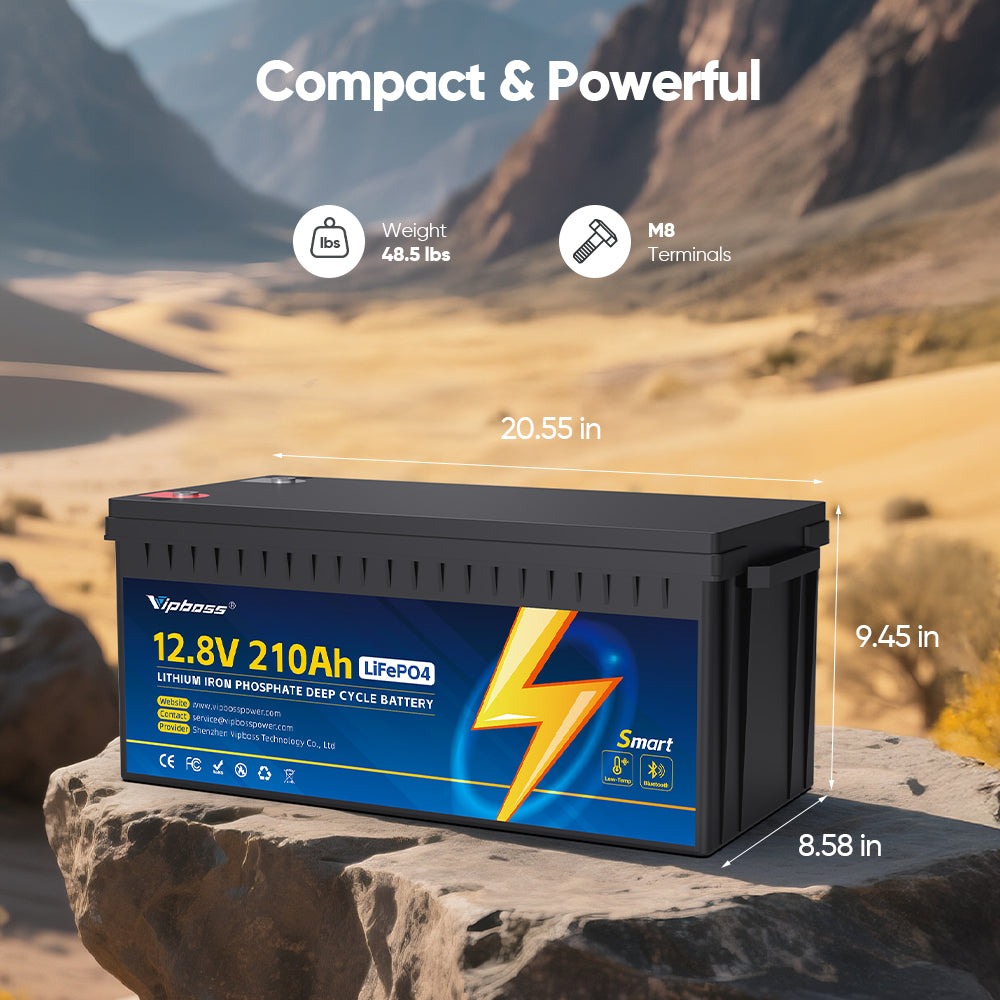
The financial benefits themselves are substantial and well-documented. Storing solar energy generated during daylight hours for use in the evening eliminates the need to draw expensive peak-rate electricity from the grid — one of the most effective strategies for reducing monthly utility bills. Homeowners on time-of-use tariffs can program their systems to charge exclusively during off-peak windows when rates drop significantly, then discharge during high-cost periods. Over a billing cycle, this arbitrage can translate into meaningful savings that compound year after year. During grid outages, a properly sized battery keeps critical loads — refrigerators, medical equipment, lighting, internet routers — running without interruption, a practical benefit that carries real monetary and quality-of-life value.
Insurance recognition adds another financial dimension that homeowners often overlook. Insurers increasingly offer favorable terms for battery systems that carry UL 9540 certification and documented permit compliance, recognizing that these systems present lower risk profiles than unpermitted alternatives. Some utilities also provide incentive programs or demand-response credits for grid-connected battery owners. Taken together, safety and savings are not competing priorities — they are mutually reinforcing outcomes of doing this investment right from the start.
Safety, Savings, and Peace of Mind: Making the Right Choice
Home storage batteries, when chosen thoughtfully and installed correctly, are a safe, reliable, and genuinely valuable addition to any modern home. The concerns families bring to this technology are legitimate — but so are the answers. Today’s systems are built around multiple overlapping layers of protection: inherently stable LiFePO4 chemistry, intelligent BMS that monitors and responds to conditions in real time, and physical safeguards designed to contain faults before they become hazards.
Professional installation and permit compliance are not optional extras — they are the bridge between a well-engineered product and a well-integrated home system. A licensed electrician who understands energy storage codes ensures that every wire, disconnect, and grounding point performs exactly as designed. Smart monitoring tools then sustain that safety over time, giving homeowners continuous visibility and early warning rather than uncertainty.
Ultimately, safety and savings are not in tension here. A properly installed, code-compliant system delivers the full promise of energy independence — lower utility bills, solar self-sufficiency, and reliable backup power — while giving your family genuine peace of mind. For tech-savvy homeowners ready to take control of their energy future, the path forward is clear: prioritize the right technology, insist on professional installation, and let smart monitoring do the rest. The benefits are real, achievable, and built on a foundation you can trust.