2Q-Solution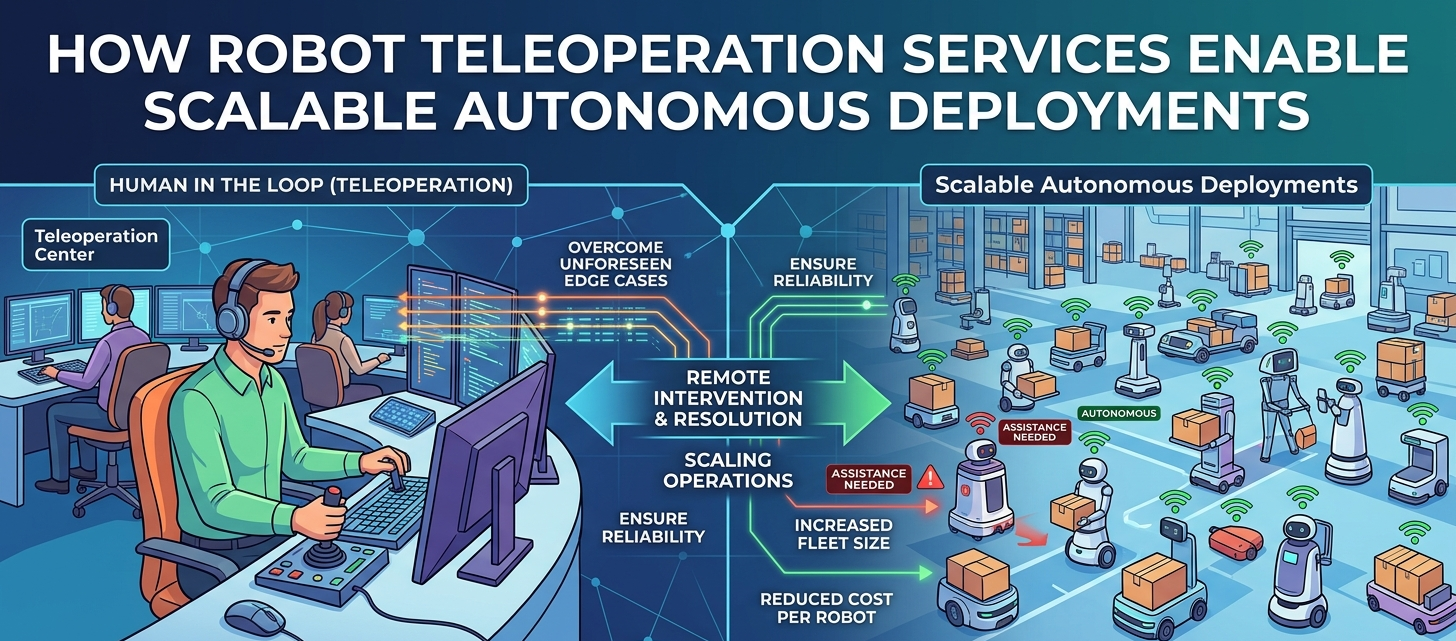
Discover how robot teleoperation services help control robots from a distance. Learn how remote monitoring ensures robots work safely and efficiently. See how these technologies enable the large-scale use of robots in different industries.
Introduction to Robot Teleoperation and Its Role in Autonomous Robotics
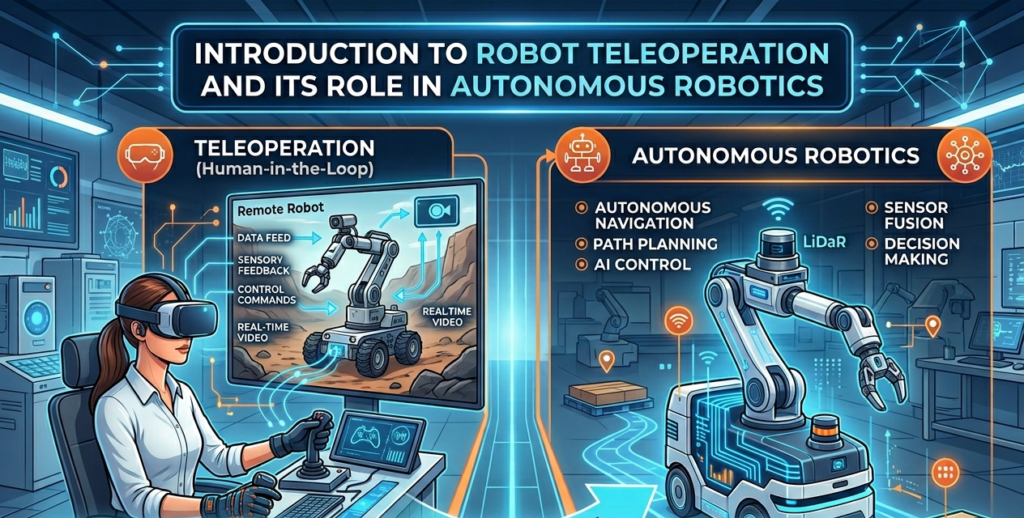
In today’s quickly evolving robotics world, remote control services are key to making autonomous robots work reliably on a large scale. These services let humans control, monitor, and manage robot fleets from a distance, stepping in when needed. More industries are using robots to work better and faster, so watching over them remotely is now very important for safety and efficiency.
Remote robot operators use special tools to watch and control many robots at the same time, even when things get tricky or change suddenly. This hybrid approach, mixing autonomous robots with human supervision, creates a flexible system. It fixes the limits of fully autonomous robots while still taking advantage of their efficiency.
Industries using autonomous robots gain advantages like easier expansion, improved safety, and quicker response to surprises. Using teleoperation services helps companies speed up and secure automation since experts are monitoring everything.
Enhancing Safety and Reliability Through Remote Monitoring
Self-driving robots need to be safe and dependable, especially in risky places. Teleoperation services let operators watch robot activities in real time, check system health, and step in when needed.
Watching robots remotely all the time helps stop accidents by showing operators what the robots are doing and what’s around them. In manufacturing or logistics, remote oversight can spot problems or hazards before they turn into costly issues. It also allows quick fixes, reducing downtime and keeping performance steady.
Using robot monitoring services helps watch how robots are doing, which is important for making sure they work well. Remote monitoring data helps schedule maintenance, make operations better, and keep improving. Using this approach, robots can work more reliably and safely, which helps people trust them in the workplace.
Increasing Scalability and Flexibility in Autonomous Deployments
Using robots by remote control helps make it easier to use them on a large scale in fields like manufacturing, logistics, healthcare, and farming. As companies grow their robot fleets, managing each robot by hand becomes impossible. Remote control and monitoring tools help manage fleets easily, so operations can grow without hiring extra people.
Using a remote control is helpful for robots, especially when their automatic decisions might not work in tricky or unexpected situations. Human oversight acts as a safety backup, letting operators step in when robots face unfamiliar problems. This flexible control approach keeps deployments resilient and adaptable, even in changing conditions.
Companies can use robots in more places, even where it’s hard to connect or not very safe, thanks to remote intervention. Being flexible helps deploy robots faster and more safely, making large operations easier and cheaper.
Technical Foundations and Best Practices for Effective Robot Teleoperation
Effective robot teleoperation needs a strong technology setup. Fast, secure communication is key for real-time data and commands, keeping delays low and control accurate. 5G and special wireless networks help you control things from a distance more easily, especially in big or complicated places.
Adding AI and machine learning makes remote robot monitoring smarter. These systems help people control robots by looking at sensor data, detecting issues, and advising when to act.
Stick to the rules like ISO 13482 for personal care robots and other safety guidelines to keep things running safely and smoothly. Training for operators and managers is important to help them deal with situations and keep safety standards high.
Industry Applications and Future Trends in Robot Teleoperation Services
Remote control of robots is changing industries by making operations more efficient, scalable, and safe. In manufacturing, remote monitoring and control optimize assembly lines and maintenance tasks. Logistics companies use remote monitoring to control warehouse robots, which helps them process more items and keeps people safe from dangerous areas.
Healthcare apps use robots for surgeries and helping patients, with remote control to keep things precise and safe. Using remote-controlled machines in farming helps plant, harvest, and monitor crops on a large scale, which saves money on labor and boosts productivity.
Looking ahead, emerging innovations promise to further enhance robot teleoperation. Augmented reality interfaces will provide remote operators with immersive, intuitive control environments. 5G connectivity will enable ultra-low latency communication, expanding the scope of remote interventions. With smarter decision-making, robots will take care of everyday tasks on their own and let people know about the tricky stuff.
In the future, people and robots will work together more smoothly in robot teleoperation services. This change will make robots work better, be more scalable, and safer, making remote monitoring and control crucial for using autonomous robots.
By having people watch and control robots from afar, companies can make their robots work better. Using this method together makes things safer, lets us work on a bigger scale, and makes everything run smoother, so teleoperation is key in today’s robotics.