Khizar Seo
Getting your driver’s license is a step-by-step process that usually involves meeting age requirements, studying the rules of the road, passing written and driving tests, and completing supervised driving hours. While the exact rules vary by state or country, the path is generally the same: learn the basics, practice safely, and prove you can handle a vehicle responsibly.
For many teens, this milestone feels like the first real taste of independence. Being able to drive means fewer rides from parents, easier trips to school or work, and more freedom to explore. But it also comes with responsibility. Driving safely starts long before you ever turn the key.
If you’re wondering how to get a license at sixteen, the process usually begins with a learner’s permit, followed by supervised practice and a driving test once you meet the requirements. Understanding these steps early can make the journey smoother and far less stressful.
Step 1: Check the Age and Legal Requirements
Driver’s license rules come from state law. Each state sets its own age limits and testing steps. Most states use a Graduated Driver Licensing (GDL) system to lower crash risk for new drivers. That’s why states require a permit phase before a full license.
Most states require you to:
- Be 15–16 years old for a learner’s permit
- Hold the permit 6–12 months
- Complete supervised driving hours
- Pass a road test
Check your state’s DMV site first. Requirements vary.
Step 2: Get Your Learner’s Permit
The permit lets you practice driving with an adult in the car.
You usually need to pass a written knowledge test on road signs and traffic laws. The test uses your state driver’s handbook.
Bring these items to the DMV:
- Proof of identity (birth certificate or passport)
- Social Security number
- Proof of residency
- Parent or guardian consent if under 18
According to the AAA Foundation for Traffic Safety, nearly 1 in 5 teen permit applicants fail the written test on their first try.
Step 3: Complete Supervised Driving Hours
After getting a permit, you practice driving with a licensed adult. Most states require 30–70 hours of supervised driving.
Example requirement:
- 50 hours total practice
- 10 hours at night
Practice different driving conditions:
- City traffic
- Highways
- Parking lots
- Night driving
- Rain or low visibility
A parent or guardian usually logs these hours in a driving practice record.
Step 4: Take the Road Test
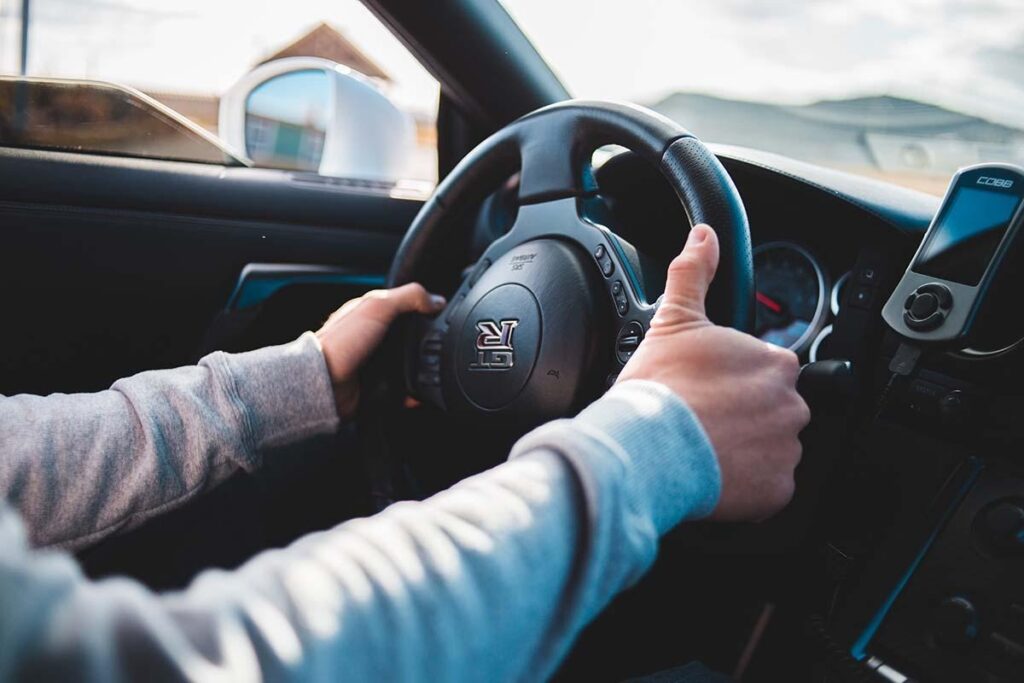
The road test checks basic driving skills. A DMV examiner rides with you and gives directions.
You must show that you can:
- Start and stop smoothly
- Follow traffic signs and signals
- Change lanes safely
- Park and back up
- Keep proper speed and distance
- Bring the correct documents:
- Learner’s permit
- Practice hour log
- Registered and insured vehicle
Many states fail drivers for common mistakes, such as rolling stops or failing to check mirrors.
Why This Process Matters
Teen drivers face a higher crash risk. The Centers for Disease Control and Prevention reports that 2,883 teens ages 13–19 died in motor vehicle crashes in 2022.
Training steps help reduce that risk. The permit phase builds experience before full driving freedom.
Take the process seriously. Practice often. Know the rules. That preparation makes passing the test — and driving safely — far easier.
Final Key Takeaways
- Getting a driver’s license follows a clear path: meet the age requirement, earn a learner’s permit, complete supervised practice hours, and pass a road test.
- Most states use Graduated Driver Licensing (GDL) systems that phase in driving privileges to lower crash risk for new drivers.
- Start with a learner’s permit. You must pass a written knowledge test based on your state’s driver handbook before you can legally practice driving.
- Practice driving with a licensed adult. Many states require 30–70 supervised hours, often including 10 hours of night driving.
- The road test assesses basic driving skills, including stopping, lane changes, parking, and following traffic signs. Preparation and practice matter.
- Teen drivers face a higher crash risk, which is why states require training, practice time, and gradual licensing steps before full driving privileges.