IQnewswire
Starting a bottled water business is one of the most practical and scalable opportunities in the beverage and purification industry. Demand for clean, safe drinking water continues to grow across residential, commercial, and industrial sectors. But success in this space depends less on the idea and more on execution specifically, the equipment you choose and how you set up your operation.
Companies like Mobetta Water specialize in providing complete solutions for entrepreneurs and businesses looking to enter this industry, offering everything from purification systems to fully automated bottling lines. Understanding how these systems work together is the first step toward building a profitable operation.
Understanding the Business Model
Before getting into equipment, it’s important to define the type of bottled water business you want to build. The industry typically operates in three main formats:
- Small-scale water refilling stations (local distribution)
- 5-gallon (18.9L) bottle supply businesses
- Fully branded bottled water production lines
Each model requires a different level of investment, automation, and infrastructure. However, all of them rely on the same foundation: purification, bottling, and quality control systems.
Step 1: Water Source & Purification
Your entire business depends on water quality. Whether you source water from municipal supply, borewells, or natural reserves, it must go through a purification process that meets safety and regulatory standards.
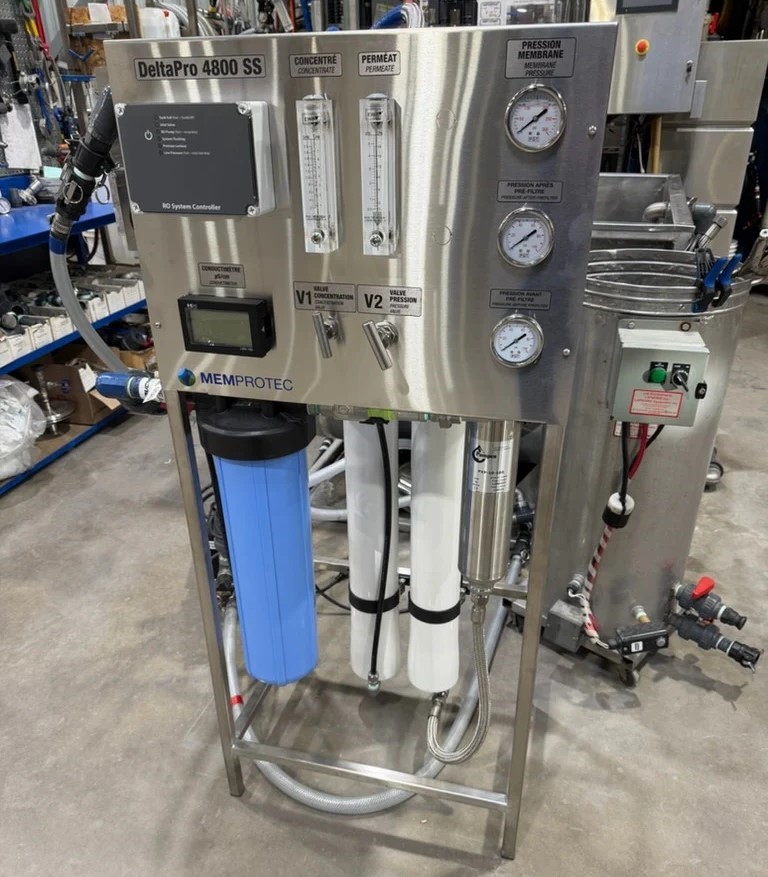
This is where Commercial Reverse Osmosis Systems become essential. These systems remove dissolved salts, bacteria, heavy metals, and other contaminants through membrane filtration, producing clean and consistent water suitable for consumption and bottling.
A standard purification setup includes:
- Pre-filtration (sand and carbon filters)
- Reverse osmosis (RO) unit
- UV sterilization
- Ozone treatment for final disinfection
The RO system is the backbone. Investing in a reliable and scalable purification unit ensures long-term consistency and reduces maintenance issues.
Step 2: Choosing the Right Bottling Equipment
Once purification is handled, the next step is automating the bottling process. This is where your operational efficiency is defined.
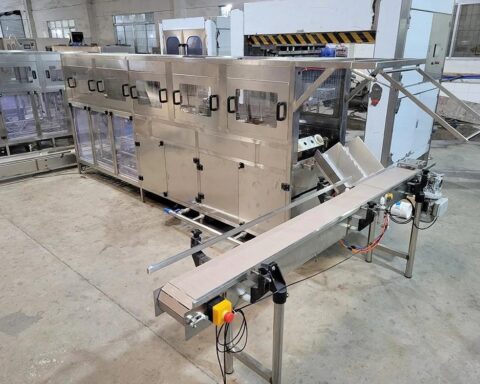
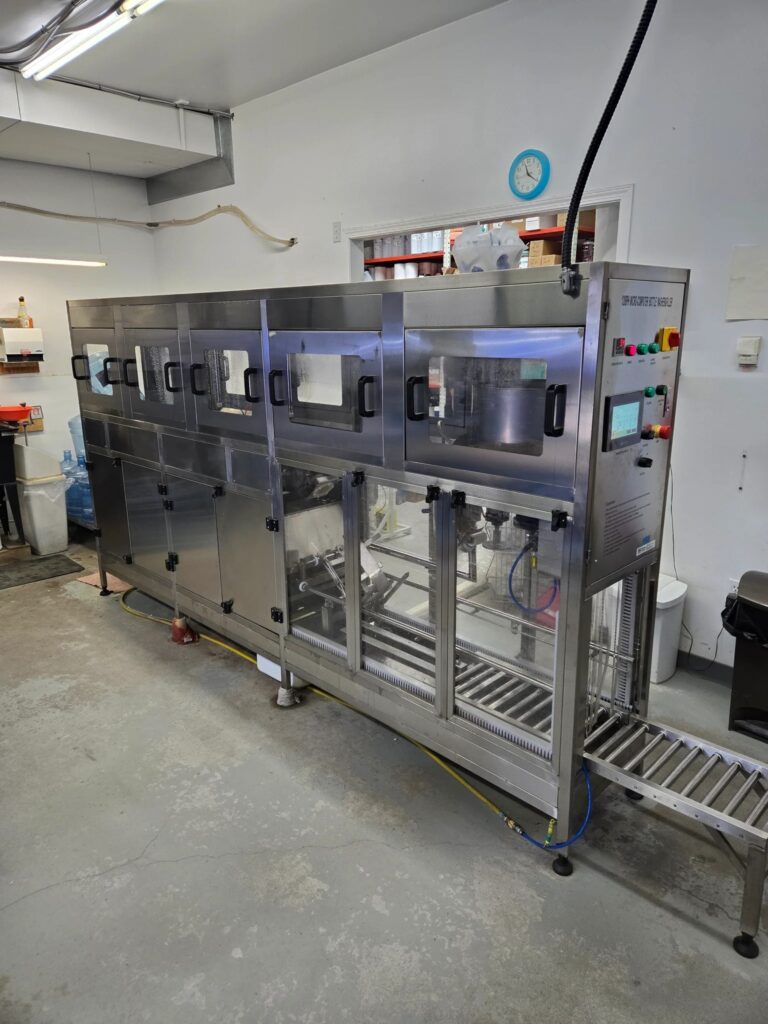
High quality Water Bottling Equipment allows you to streamline production, maintain hygiene standards, and scale output as demand grows.
A typical bottling line includes:
- Bottle washing system
- Filling machine
- Capping unit
- Labeling machine
- Packaging system
For 5-gallon operations, specialized systems handle:
- Bottle rinsing
- Internal sterilization
- High-capacity filling
- Leak-proof sealing
Automation level depends on your budget. Semi-automatic setups work for startups, while fully automated lines are ideal for large-scale production.
Step 3: Bottling Line Configuration
The configuration of your production line should align with your business model.
Small to Medium Scale Setup
- Semi-automatic filling machines
- Manual or semi-auto capping
- Basic filtration system
- Output: 200–500 bottles per hour
High-Capacity Industrial Setup
- Fully automated bottling line
- Integrated washing, filling, and capping
- Conveyor systems
- Output: 1,000+ bottles per hour
For 5-gallon systems, automated lines significantly reduce labor and increase consistency. These are ideal for businesses targeting offices, homes, and commercial clients.
Step 4: Ozone & Sterilization Systems
Water purification doesn’t end with RO. Post-treatment is critical to ensure the water remains safe during storage and distribution.
Ozone systems are widely used in bottled water plants because they:
- Kill bacteria and viruses
- Extend shelf life
- Maintain water freshness
Ozone injection is typically done after filtration and before bottling. It ensures that both the water and the storage tanks remain sterile.
Step 5: Facility Setup & Layout
Your production facility should be designed for:
- Smooth workflow
- Hygiene compliance
- Equipment accessibility
A basic layout includes:
- Raw water storage
- Filtration and purification area
- Bottling section
- Packaging and storage
- Quality testing area
Ensure proper drainage, ventilation, and separation between clean and raw zones. This is essential for maintaining standards and passing inspections.
Step 6: Compliance & Quality Standards
The bottled water industry is regulated in most countries. You’ll need to comply with:
- Food safety standards
- Water quality testing requirements
- Packaging regulations
- Labeling guidelines
Regular testing for pH levels, TDS (Total Dissolved Solids), and microbial content is necessary to maintain credibility and avoid legal issues.
Step 7: Packaging & Branding
Packaging plays a major role in market positioning. Even if your focus is bulk supply, branding adds value and trust.
Options include:
- PET bottles (250ml to 1.5L)
- 5-gallon reusable bottles
- Custom labeling and shrink wrapping
A clean, professional label with clear information builds confidence and helps differentiate your product in competitive markets.
Step 8: Distribution Strategy
Your distribution model determines how quickly you scale.
Common channels:
- Direct supply to homes and offices
- Retail store distribution
- Bulk supply to businesses
- Water vending systems
For local markets, 5-gallon delivery systems work well. For wider reach, bottled water distribution through retailers is more effective.
Step 9: Cost Considerations
The cost of setting up a bottled water business varies based on scale.
Small Setup
- Basic filtration system
- Semi-automatic bottling
- Estimated investment: low to moderate
Medium Setup
- RO system + ozone treatment
- Semi to fully automated line
- Moderate investment
Large Industrial Setup
- High-capacity RO plant
- Fully automated bottling line
- Conveyor and packaging systems
- Higher upfront investment but strong scalability
The key is to start with a system that meets your current demand while allowing room for expansion.
Step 10: Choosing the Right Equipment Supplier
Your equipment supplier directly impacts your long-term success. Poor-quality machinery leads to downtime, inconsistent output, and increased maintenance costs.
Midway through your planning, it becomes clear that working with an experienced provider makes a significant difference. Companies such as Mobetta Water offer integrated solutions that combine purification, bottling, and automation helping businesses avoid the common pitfalls of sourcing equipment from multiple vendors.
Final Thoughts
Starting a bottled water business is not just about selling water. It’s about building a system that consistently delivers quality, efficiency, and reliability.
Focus on:
- Strong purification systems
- High-quality bottling equipment
- Proper facility planning
- Scalable operations
If these elements are done right, the business becomes highly sustainable and profitable over time.
For those looking to enter the industry with confidence, partnering with trusted providers like Mobetta Water can streamline the entire process from selecting the right machinery to building a fully operational water bottling plant.
The demand is already there. The difference between success and failure comes down to how well you set up your foundation.