2Q-Solution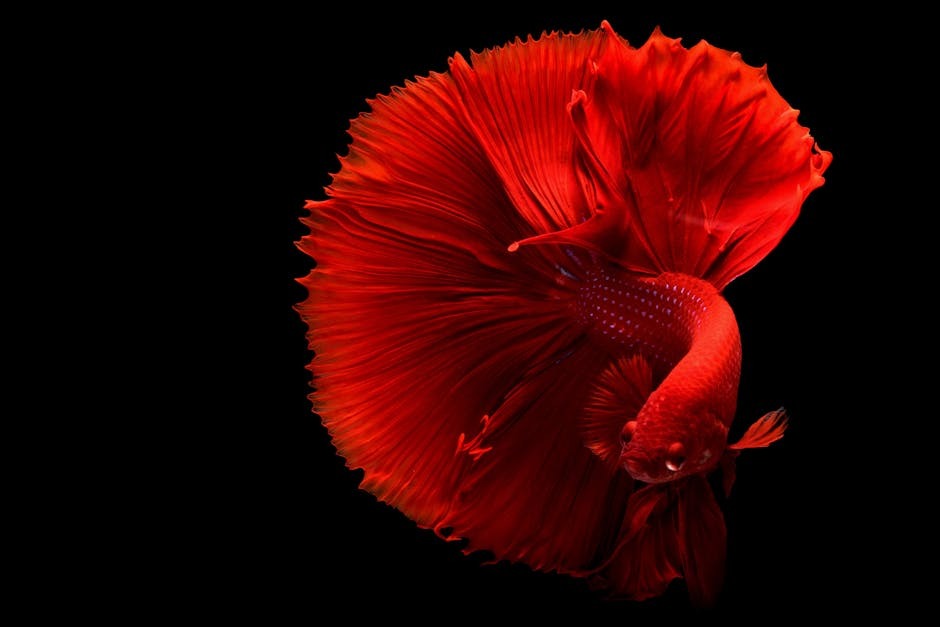
The vibrant allure of Betta fish, known for their intricate color patterns and captivating displays, captures the fascination of aquarists around the globe. The Betta fish wild, renowned for their beauty and aggression, belong to the genus Betta, within which the popular Betta splendens or Siamese fighting fish is perhaps the most recognized. However, the wild counterparts of these ornamental fish offer a glimpse into their natural allure and behavioral dynamics.
Diversity Amongst Betta Species
The Betta genus comprises over seventy species, each exhibiting distinct behavioural traits and environmental adaptations. Among them, the Betta splendens stands out, having been domesticated and bred selectively for enhanced colors and longer fins. However, wild Betta splendens have shorter fins and more subdued hues, reflecting their need for camouflage and speed in the wild. Other species, such as Betta imbellis and Betta smaragdina, also exhibit variation in their physical characteristics, which help them occupy specific ecological niches.
Habitat and Ecology
Wild Betta fish predominantly inhabit shallow waters such as rice paddies, stagnant ponds, and slow-moving streams. These environments necessitate certain adaptations, including a labyrinth organ, which allows them to breathe air from the water’s surface. This adaptation is particularly crucial in oxygen-deprived waters. The natural habitat of Betta fish is typically densely vegetated, providing ample shelters and breeding grounds, which also aids in protecting them from predators.
Behavioral Characteristics
Unlike their domesticated brethren, wild Betta fish exhibit less territorial aggression, a trait enhanced in captivity for competitive fighting. In their natural settings, Betta fish utilize a complex array of displays, fin flares, and color intensification as non-violent forms of communication and deterrence. These displays are often a prelude to establishing territories or during mating rituals. It is essential to understand that aggression in wild Betta fish is context-dependent and primarily serves survival functions such as securing territory and breeding success.
Feeding and Diet
Wild Betta fish are opportunistic feeders with a diet primarily consisting of insects, larvae, and zooplankton. The abundance of these food sources in their natural environment necessitates an adaptive foraging behavior. They often exhibit ambush predator tactics, lurking amidst vegetation to capture unsuspecting prey. Interestingly, aquarists attempting to emulate their natural diet often find that wild Betta fish thrive on a combination of high-quality pellets and live or frozen foods such as brine shrimp and daphnia, ensuring optimal health and vitality.
Reproductive Behavior
Reproduction in wild Betta fish involves intricate mating rituals and nest-building activities. Males build bubble nests on the water surface, a trait common to Betta species. These nests, constructed from saliva-coated bubbles, play a crucial role in nurturing eggs post-fertilization. During courtship, males will engage in elaborate displays to attract females, who lay eggs within the protective confines of the bubble nest. Once fertilized, the male assumes responsibility for guarding and tending to the eggs until they hatch.
Conservation Concerns
The allure of keeping wild Betta fish in aquariums brings to light concerns over their conservation status in the wild. Habitat degradation, pollution, and overfishing for the pet trade threaten various Betta populations. Ensuring sustainable captive breeding programmes and habitat conservation are vital steps in preserving these species. Fish enthusiasts, while indulging in the breeding of these exquisite fish, must prioritize ethical practices, acknowledging their role in conservation efforts.
Differences from Domesticated Variants
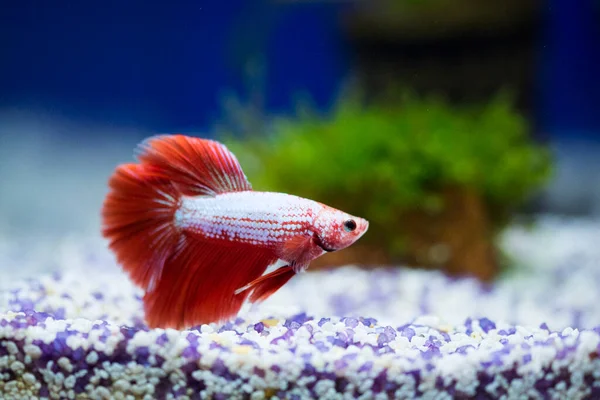
The difference between wild Betta fish and their domesticated counterparts transcends mere physical appearance. Domesticated Bettas have been bred for exaggerated traits and increased aggression, which significantly deviate from their wild relatives. In contrast, wild Betta fish maintain their natural resilience and adaptability, embodying the raw elegance of their untamed environments. These differences underscore the intrigue of their wild counterparts, appreciated for their understated elegance and innate behavioral complexity.
Role in Aquaculture
Wild Betta fish play a significant role in aquaculture, representing a genetic reservoir crucial for the health and vitality of captive populations. Their genetic diversity contributes to the development of disease resistance and improved stress tolerance in domesticated stocks. Additionally, understanding the natural behaviors and habitats of these fish enables aquarists to create more suitable environments within domestic settings, enhancing the well-being of both wild and captive-bred Betta fish.
Conclusion
The world of wild betta fish is as mysterious as it is captivating. Found in the slow-moving streams, swamps, and rice paddies of Southeast Asia, these remarkable fish display a stunning range of colors, patterns, and behaviors that differ greatly from their domesticated counterparts. Their adaptability, territorial nature, and intricate breeding habits make them a subject of interest for aquarists and researchers alike. By learning more about wild betta species and their natural environments, enthusiasts can better appreciate their beauty and understand the importance of protecting the delicate ecosystems where they thrive.