Khizar Seo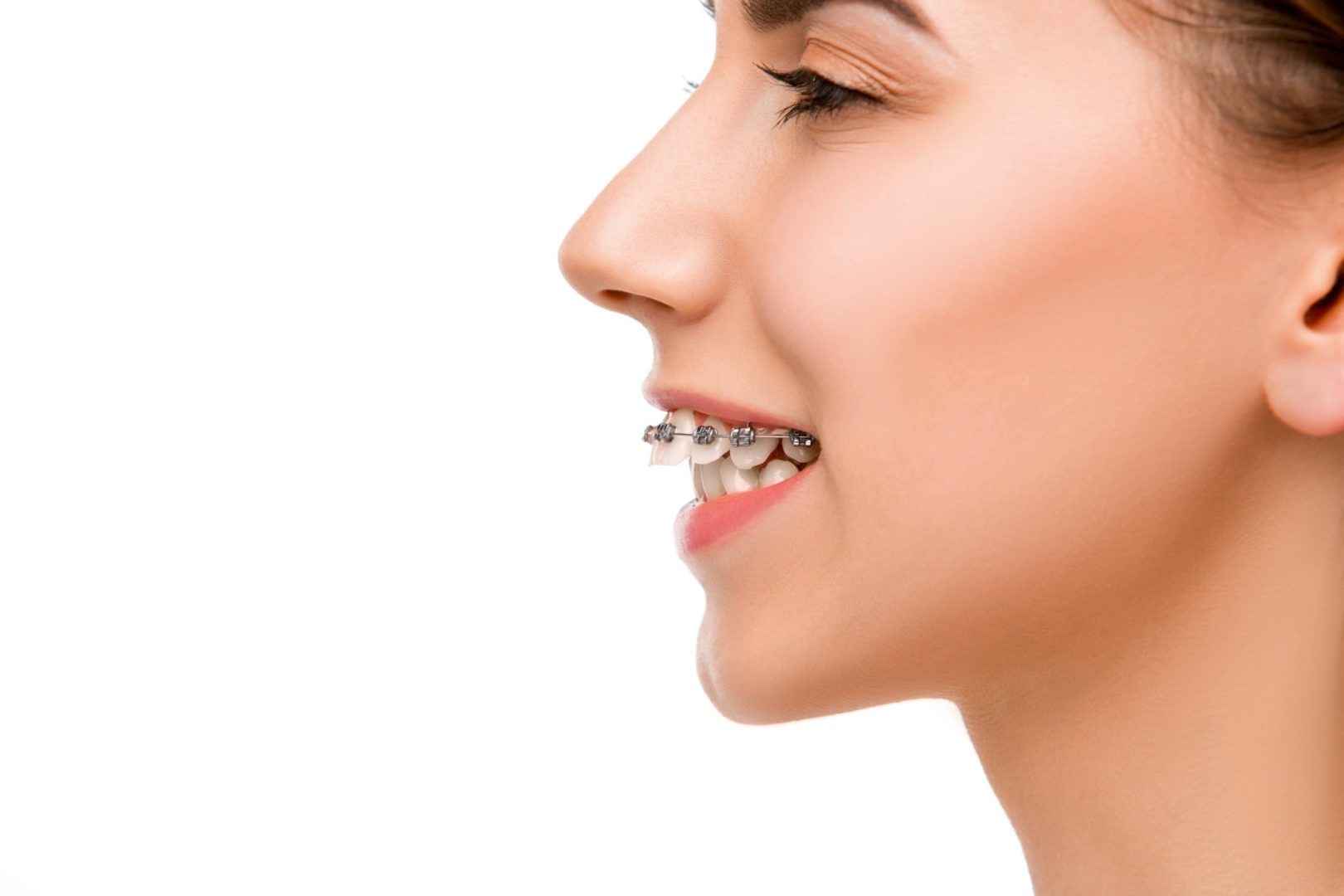
As a parent, you pay attention to your child’s smile. You notice when baby teeth fall out, when permanent teeth erupt, and whether brushing is being done properly. But one issue that often goes unnoticed until it becomes more serious is bite alignment.
Terms like overbite, underbite, and crossbite can sound technical and intimidating. However, understanding these common bite problems early can make a significant difference in your child’s oral health, facial development, and long-term confidence.
This guide breaks down what each bite type means, how to spot early warning signs, and when to consult a specialist such as a Washington DC-based orthodontist.
What Is a “Bite” in Orthodontics?
In orthodontics, a “bite” refers to how the upper and lower teeth fit together when the mouth is closed. Ideally, the upper teeth should slightly overlap the lower teeth, and the molars should interlock comfortably without strain.
When this alignment is off, it’s called a malocclusion. Malocclusions are common in children and can vary from mild to severe. While some bite issues are cosmetic, others can affect speech, chewing, breathing, and jaw development.
Early detection is key.
1. Overbite: When the Upper Teeth Overlap Too Much
An overbite occurs when the upper front teeth significantly overlap the lower front teeth vertically.
What’s Normal vs. Problematic?
A slight overbite is normal. However, when the overlap is excessive, it can lead to:
- Excessive wear on lower teeth
- Jaw discomfort or pain
- Speech challenges
- Increased risk of injury to protruding teeth
Signs Parents Should Watch For
- Lower teeth barely visible when your child smiles
- Complaints of jaw soreness
- Frequent biting of the roof of the mouth
- Teeth that appear “buck” or protrusive
Overbites can result from genetics, prolonged thumb-sucking, pacifier use, or tongue thrusting habits. Early orthodontic evaluation can help determine whether intervention is necessary.
2. Underbite: When the Lower Teeth Sit in Front
An underbite happens when the lower front teeth sit in front of the upper front teeth. This can give the chin a more prominent appearance.
Why Underbites Matter
Underbites can affect:
- Facial symmetry
- Speech clarity
- Proper chewing function
- Jaw growth patterns
If left untreated, an underbite can worsen over time, especially during growth spurts.
Common Signs
- Lower jaw appears to jut forward
- Difficulty biting into foods like sandwiches or apples
- Speech issues, especially with certain consonants
- Family history of similar jaw structure
Underbites are often hereditary and may require early interceptive treatment to guide jaw development before growth plates fuse.
3. Crossbite: When Teeth Don’t Line Up Side-to-Side
A crossbite occurs when some of the upper teeth sit inside the lower teeth instead of outside. It can affect front teeth, back teeth, or both.
Why Crossbites Shouldn’t Be Ignored
Crossbites can cause:
- Uneven tooth wear
- Gum recession
- Asymmetrical jaw growth
- Shifting of the jaw when biting
In children, untreated crossbites can lead to long-term structural issues because the jaw may adapt to an incorrect position during development.
Signs to Watch
- Jaw shifts to one side when closing
- Teeth appear crowded or misaligned
- Complaints of difficulty chewing evenly
Because crossbites can influence jaw growth, early intervention is particularly important.
When Should Children See an Orthodontist?
The American Association of Orthodontists recommends that children have their first orthodontic evaluation by age 7.
At this stage, a child may not need braces yet, but an orthodontist can identify developing bite issues and determine the best timing for treatment.
Early evaluation allows for:
- Monitoring jaw growth
- Guiding erupting permanent teeth
- Correcting harmful oral habits
- Reducing the need for more invasive treatment later
If you live in the DC area, consulting a Washington DC-based orthodontist ensures that your child receives specialized care tailored to both dental alignment and facial development.
Treatment Options for Bite Problems
Orthodontic treatment today is more advanced and more comfortable than ever before. Depending on the type and severity of the bite issue, options may include:
1. Braces
Traditional metal or ceramic braces are highly effective for correcting alignment and bite discrepancies.
2. Clear Aligners
In some cases, clear aligners can address mild to moderate bite issues in older children and teens.
3. Palatal Expanders
For crossbites caused by a narrow upper jaw, expanders gently widen the upper arch to create proper alignment.
4. Growth Modification Appliances
For younger children with significant overbites or underbites, appliances can help guide jaw development during growth spurts.
The earlier a structural issue is identified, the more likely it can be treated with less invasive methods.
The Long-Term Benefits of Early Treatment
Correcting bite problems is about more than aesthetics. Proper alignment supports:
- Healthier teeth and gums
- Reduced risk of cavities due to easier cleaning
- Balanced facial development
- Improved speech and chewing
- Reduced jaw pain and tension
Early orthodontic care can also improve a child’s confidence, especially during socially sensitive pre-teen and teen years.
What Parents Can Do Now
- Observe your child’s bite when they close their mouth naturally.
- Listen for complaints of jaw pain or difficulty chewing.
- Monitor oral habits like thumb-sucking.
- Schedule an orthodontic evaluation around age 7.
Even if everything appears normal, an evaluation provides peace of mind and establishes a baseline for future growth.
Final Thoughts
Overbites, underbites, and crossbites are common, but they should not be ignored. Bite alignment affects more than just appearance; it influences long-term oral health and jaw development.
The good news is that modern orthodontics offers effective, age-appropriate solutions. By understanding the signs early and seeking professional guidance, parents can set their children up for a healthier, more confident smile.
If you have concerns about your child’s bite or want to schedule an early evaluation, consulting a Washington DC-based orthodontist can provide clarity, personalized recommendations, and a proactive plan for your child’s dental future.