IQnewswire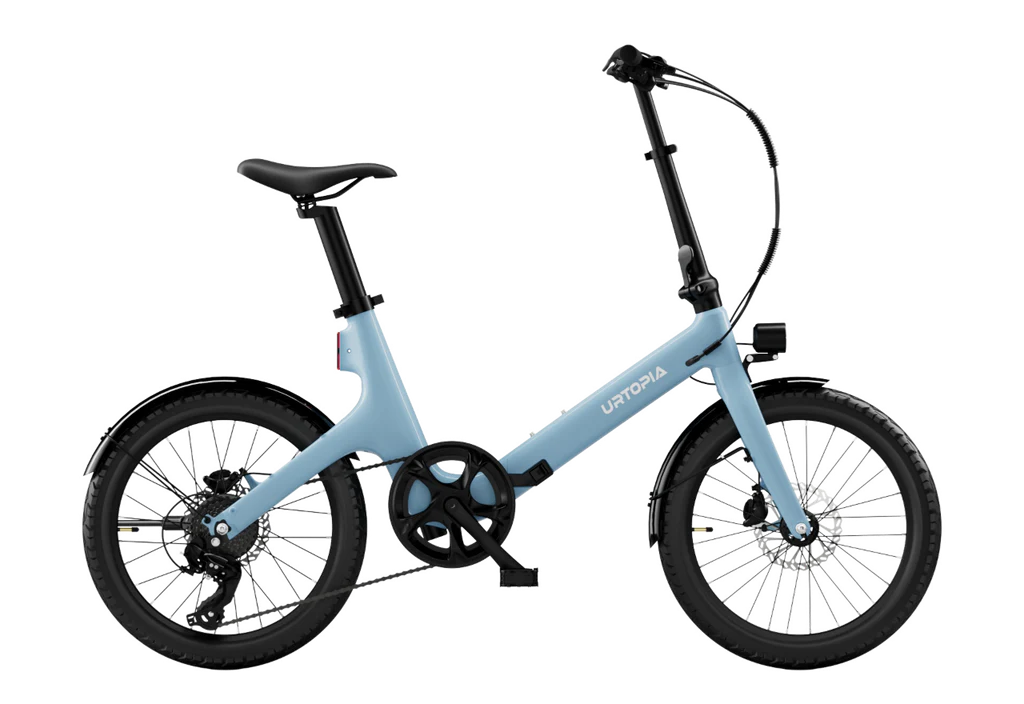
For the better part of a century, the blueprint for the American city was drawn around the hood of a car. We built sprawling suburbs, massive multi-lane highways, and vast asphalt parking lots, all under the assumption that every citizen would move through the world in a two-ton metal box. However, as we cross the threshold into 2026, that blueprint is being erased and redrawn. The most significant catalyst for this change isn’t the electric SUV or a trillion-dollar hyperloop; it is the humble bicycle, supercharged by electricity. eBikes and the future of green transportation are now inextricably linked, representing a shift toward a more human-scaled, energy-efficient, and breathable urban existence.
The rise of the e bike has fundamentally altered the math of the daily commute. By removing the traditional barriers to cycling—excessive physical exertion, sweat, and the intimidation of steep hills—electric micromobility has transformed a niche hobby into a primary mode of transit for millions of Americans.
Redefining the “Last-Mile” Logistics
One of the greatest challenges in urban planning is the “last-mile” problem: the gap between a commuter’s home or office and a high-capacity transit hub like a subway station or bus stop. Walking a mile in a suit in the heat of a Houston summer or a Minneapolis winter is often a deal-breaker.
Solving the Commuter’s Dilemma
Electric bikes bridge this gap with surgical precision. Because they provide motorized assistance, riders can maintain a steady 20 mph without the heavy breathing associated with traditional cycling. This “sweat-free” commute is a game-changer for white-collar professionals. It allows a worker to live in a neighborhood that might be just a bit too far to walk to the train, yet too congested to drive to the office. By solving the last-mile dilemma, e-bikes effectively expand the “catchment area” of existing public transit, making buses and trains more viable for a larger percentage of the population.
The Rise of e-Cargo Bikes in Commercial Delivery
The transformation isn’t limited to personal travel. In dense hubs like New York City, Seattle, and Washington D.C., the “final-mile” of logistics is undergoing a radical makeover. Delivery giants like Amazon and UPS are increasingly deploying e-cargo bikes. These heavy-duty machines can carry up to 400 pounds of goods, navigate narrow alleys, and park in “micro-hubs” that would be inaccessible to a standard brown truck. By replacing a diesel van with a fleet of electric cargo bikes, companies are drastically reducing the number of idling vehicles that contribute to neighborhood congestion and localized air pollution.
Environmental Impact and Sustainability Metrics

When we discuss “green transportation,” the conversation often defaults to Electric Vehicles (EVs). While EVs are a necessary component of decarbonizing long-distance travel, they are not the most efficient solution for the city.
Carbon Footprint: eBikes vs. Electric Vehicles (EVs)
The environmental “cost” of a vehicle begins long before it hits the road. A standard electric car requires a battery weighing upwards of 1,000 pounds, requiring massive amounts of lithium, cobalt, and nickel. In contrast, good electric bikes use a battery that weighs less than ten pounds. You can manufacture roughly 50 to 100 e-bike batteries using the same raw materials required for a single long-range EV battery. From a lifecycle perspective, the carbon “debt” incurred during the manufacturing of an e-bike is paid off within the first 100 miles of riding. For an EV, that break-even point can take years.
Urban Air Quality and Noise Pollution
Beyond carbon, e-bikes address the “silent” killers of urban life: particulate matter and noise. Internal combustion engines release fine particles that contribute to asthma and heart disease, particularly in lower-income neighborhoods situated near major thoroughfares. E-bikes produce zero tailpipe emissions. Furthermore, the reduction in noise pollution shouldn’t be overlooked. A city filled with the hum of electric motors rather than the roar of engines is a city where residents experience lower stress levels and improved mental health.
The Socio-Economic Benefits of Electrified Transit
Sustainability is often criticized as being a “luxury” for the wealthy. E-bikes are actively dismantling that narrative by providing an affordable alternative to car ownership.
Breaking Down Barriers to Entry
The average cost of owning and operating a new car in the U.S. now exceeds $10,000 per year when considering insurance, gas, maintenance, and depreciation. An e-bike, even a high-end model, represents a one-time investment of $1,500 to $4,000 with negligible ongoing costs. This makes high-quality transportation accessible to students, low-income workers, and households looking to downsize to a single-car lifestyle. Moreover, the pedal-assist technology makes cycling inclusive for seniors and people with physical limitations who might otherwise be stranded by the “physicality” of a traditional bike.
Incentives and Policy Shifts
Governments are starting to take notice. Cities like Denver have seen massive success with e-bike rebate programs, where vouchers are provided to residents to offset the purchase price. These programs have proven that when you lower the financial barrier, people are eager to ditch their cars. As federal tax credits for e-bikes gain traction, we are likely to see a permanent shift in how the American middle class views “secondary” vehicles.
Building the Infrastructure for a Green Future
The hardware (the bikes) is ready, but the “software” (the city streets) still needs an upgrade. For e-bikes to truly represent the future of green transportation, our infrastructure must evolve.
Beyond the Painted Line: Protected Bike Lanes
Safety is the primary deterrent for potential riders. A “sharrow” or a painted line on the ground does not provide the psychological or physical safety required to move a family through a city. The future of green transit relies on “protected” infrastructure—physical barriers like bollards, curbs, or planters that separate bikes from 4,000-pound cars. We are seeing the emergence of “bike highways” in cities like Minneapolis and Portland, which allow for high-speed, long-distance cycling through the heart of the city without ever interacting with a car.
Smart Cities and Charging Ecosystems
As adoption grows, so does the need for support systems. Future-proof cities are already integrating e-bike charging into street furniture and lamp posts. We are also seeing the rise of secure “bike lockers” and battery-swapping kiosks for shared fleets, ensuring that “range anxiety” becomes a thing of the past for the two-wheeled traveler.
Potential Roadblocks and Solutions
The path forward isn’t without friction. To maintain the momentum of the e-bike revolution, two main issues must be addressed: safety standards and theft.
- Battery Safety: The market has been flooded with cheap, uncertified lithium-ion batteries that pose fire risks. The industry is moving toward mandatory UL-certification (Underwriters Laboratories) to ensure that every bike parked in an apartment complex meets rigorous safety standards.
- Theft Prevention: As e-bikes are significant investments, theft is a major concern. The solution lies in a combination of “smart” tech—GPS tracking and remote motor locking—and municipal investment in secure, indoor parking facilities at transit hubs.
Conclusion
The transition to green transportation is often framed as a series of sacrifices: drive less, fly less, consume less. But the e-bike revolution is unique because it offers an upgrade to the urban experience. It offers a commute that is faster than a car in heavy traffic, cheaper than a bus pass, and more enjoyable than sitting in a gridlocked tunnel.
As we look toward 2030, the vision of the “Green City” is becoming clear. It is a place where the air is clear enough to breathe deeply, where the streets are quiet enough to hold a conversation, and where the primary mode of movement is light, electric, and efficient. The e-bike has proven that we don’t need to reinvent the wheel to save the planet; we just need to give it a little bit of a boost.