Admin
Admin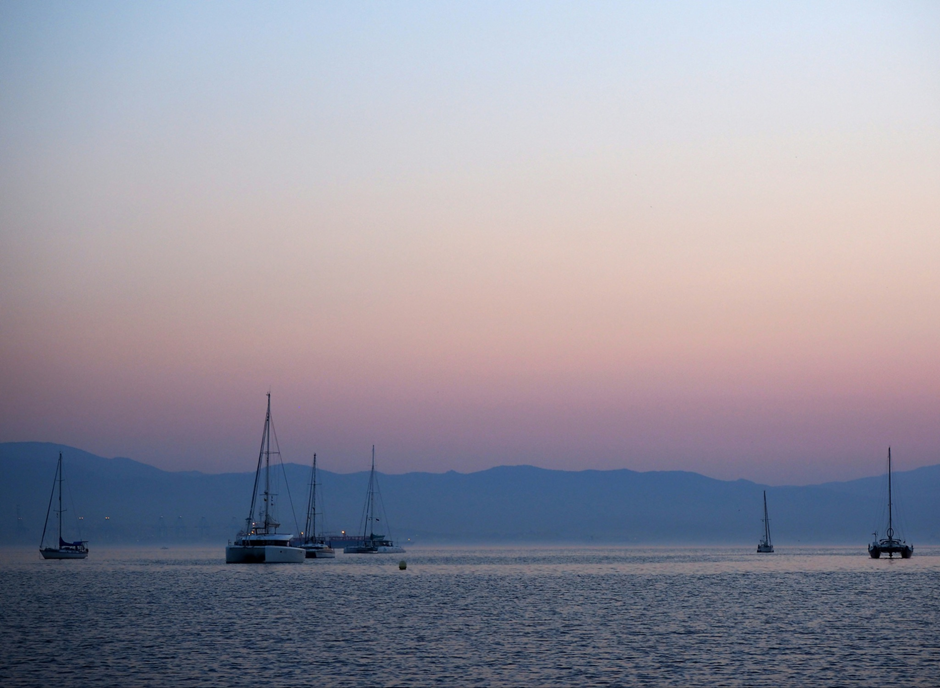
Light Before Elevation
On the Costa del Sol, the horizon arrives first.
It stretches in a clean, horizontal band where sea meets sky without interruption. The Mediterranean holds a steady blue that shifts subtly with cloud cover, sometimes pale and reflective, sometimes deeper and opaque. Buildings sit low along the shoreline, whitewashed façades catching afternoon light without dominating it.
The coast does not rise dramatically. It opens. Beaches widen gradually. Promenades follow the curve of the water rather than cutting across it. The rhythm feels lateral — sea to sand to town, repeated in gentle succession.
You walk along the edge and notice how sound travels evenly across flat ground. Waves fold inward and retreat without force.
Nothing here insists on height.
Along the Southern Edge
Later, while conversations drift toward coastal routes and Spain tours that follow similar stretches of shoreline, the movement along the Costa del Sol remains unhurried — curve of bay, cluster of palms, low hills receding behind white towns.
The road parallels the water in long arcs. Sunlight glints against balconies. Fishing boats tilt slightly in small harbours. Even inland, the terrain does not rise sharply; it swells and lowers in slow increments.
The horizon remains visible for longer than expected. The sky feels wide enough to soften everything beneath it.
The landscape unfolds without punctuation.
Where the Coast Climbs
Further east, the tone changes.
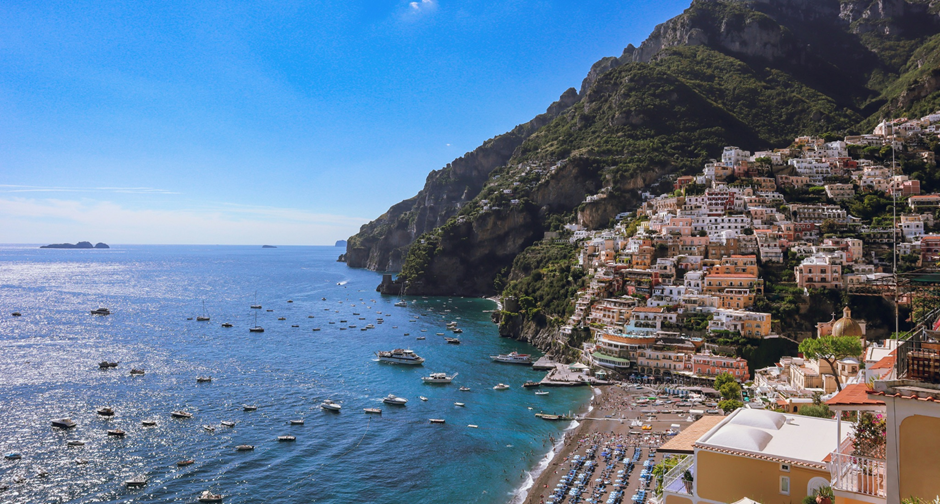
The Amalfi Coast does not widen. It ascends. Cliffs rise directly from water in vertical strokes that compress the view rather than expand it. Villages cling to rock faces in stacked layers of pastel façades and narrow terraces.
At some point, itineraries extend toward Italy tours, though the movement along these roads feels less structured and more suspended between sea and stone.
The coastline narrows into ledges carved into cliff. The horizon fragments between promontories. Boats appear smaller beneath the height of the land.
Air moves differently here — rising rather than drifting outward.
Between Horizon and Drop
In Spain, the eye travels outward across open water. On the Amalfi Coast, it travels upward along rock.
The Mediterranean remains the same body of water, yet its behaviour feels altered by geography. On the Costa del Sol, it spreads. Along Amalfi, it presses against cliff and withdraws again.
Roads follow these forms. In Spain, they run parallel to the sea. In Italy, they cling to it.
The transition from flat to vertical happens gradually, not abruptly. Sunlight remains constant. Only the angle changes.
From Openness to Contour
The Costa del Sol holds space in wide gestures. The Amalfi Coast compresses it into narrow passages between rock and water.
Yet both rely on light to define their shapes. Blue remains blue whether beneath cliff or beside sand. White façades catch sun similarly in Málaga and in Positano.
Travel between them shortens distance without erasing difference. Fields pass. Airports, stations, winding roads connect one shoreline to another.
The variation feels geological rather than cultural.
When the Colour Deepens
Later, distinctions begin to soften. The open horizon of southern Spain blends faintly with the fragmented views between Amalfi’s cliffs. A whitewashed façade resembles a terraced village in recollection. The sea holds both landscapes in the same blue.
What remains is surface — sand warmed by sun, limestone rising steeply from water, rails and roads tracing routes across southern Europe.
The journey does not resolve into preference. It continues.
Somewhere beyond the last bend in the coastal road, the Mediterranean still stretches outward. Somewhere beyond the final cliff, the horizon still opens. And the line between them remains fluid, carrying breadth and elevation forward along the same quiet tide.
Where the Sea Levels Everything
As daylight lowers, the cliffs lose some of their sharpness and the wide Spanish horizon turns from bright blue to muted steel. Height becomes less pronounced. Flatness becomes less expansive. The Mediterranean holds both in the same subdued tone, reflecting sky rather than emphasising contour. What felt dramatic in afternoon light settles into something more even, more continuous.
Following the Curve Without Markers
Later, the memory of open promenade and cliffside road merges into a single line that bends along water. The distinction between horizontal and vertical softens into movement alone — a car rounding a headland, a boat cutting across a bay, a path narrowing briefly before widening again. The coast continues beyond view, unlabelled, carrying both breadth and steep ascent along the same stretch of sea.