Khizar Seo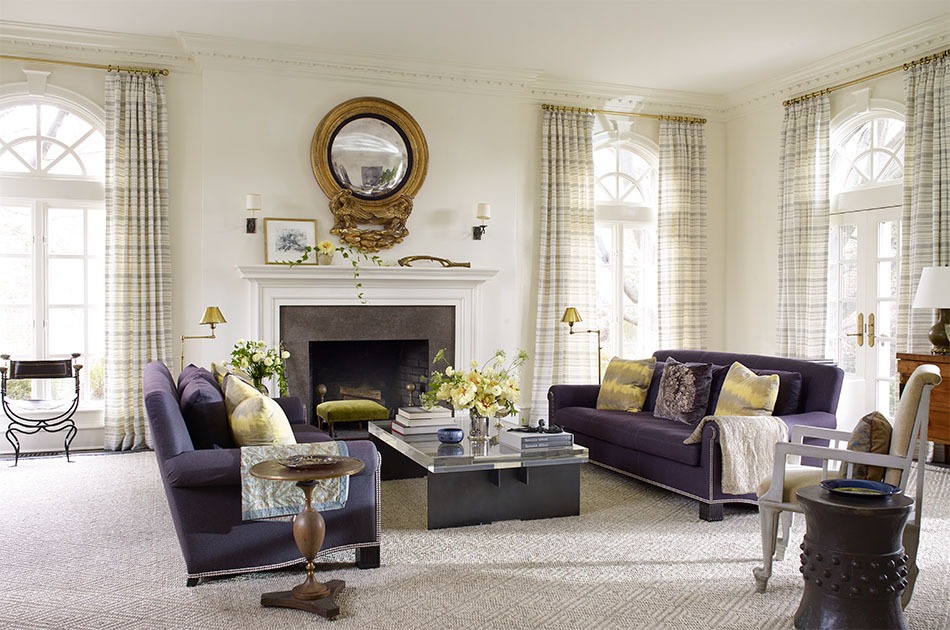
Arched windows are a striking architectural feature that instantly adds character to a room. However, their curved shape often leaves homeowners unsure about how to dress them properly. Standard curtain solutions don’t always apply, which can make styling feel more complex than it actually is.
With the right approach, arched windows can be one of the most elegant elements in a space. Curtains should work with the architecture, not fight it. Understanding a few key principles will help you choose a solution that feels intentional, balanced, and visually pleasing.
Start by Understanding Your Arched Window
Before selecting curtains, it’s important to assess the shape and role of the window. Some arches are purely decorative, while others form the main window opening. The depth and height of the arch will influence which curtain solutions work best.
You should also consider how the room is used. Bedrooms and street-facing rooms usually require privacy and light control, while living rooms and hallways can prioritise aesthetics. These practical considerations will guide every decision that follows.
Hanging Curtains Above the Arch
One of the most effective and widely used solutions is to hang curtains above the highest point of the arch. This allows you to use a straight curtain rod and avoids the need for custom curved hardware. It also creates the illusion of height, making the window appear taller and more balanced.
Floor-length custom curtains work best with this approach. They create a clean vertical line that visually frames the window without interrupting its shape. Extending the rod beyond the width of the window ensures the curtains stack neatly to the sides and don’t block natural light.
When to Follow the Curve of the Arch
In certain interiors, especially period homes or classically styled spaces, following the curve of the arch can be a beautiful choice. This approach highlights the architecture and turns the window into a decorative focal point. However, it requires custom curved tracks or poles and made-to-measure curtains.
Curved curtain installations are usually more decorative than functional. The curtains often remain fixed or only partially open, making them less practical for everyday use. This option works best when light control is not a priority and the arch itself is a defining feature of the room.
Layering Curtains and Blinds
Layered window treatments are one of the most versatile solutions for arched windows. A common approach is to fit custom roman shades within the rectangular portion of the window, then hang full-length curtains above the arch. This combination offers both function and softness.
Layering roman shades with curtains allows for better control over privacy and light while maintaining a polished, finished look. It also adds depth and visual interest to the window treatment. This solution works particularly well in bedrooms, living rooms, and large open spaces.
Choosing the Right Fabric
Fabric choice plays a significant role in how arched window curtains look and feel. Soft, fluid fabrics such as linen or linen blends drape naturally and suit relaxed or contemporary interiors. These materials help soften the curve without overpowering it.
More structured fabrics like cotton blends or silk work well in formal rooms where a refined appearance is desired. It’s best to avoid extremely stiff materials or overly busy patterns, as they can compete with the shape of the arch. The goal is to complement the architecture, not overwhelm it.
Curtain Headings That Work Well
The curtain heading affects how tailored or relaxed the final result appears. Pinch pleats and triple pleats are well suited to traditional or transitional interiors. They create structure and sit neatly beneath a straight curtain rod.
For more formal spaces, goblet pleats add a sense of drama and elegance. In modern homes, wave or ripple fold headings offer a clean, streamlined look. Very casual headings can feel out of place next to strong architectural features.
Selecting Curtain Hardware
Curtain hardware should support the overall design rather than draw attention away from the window. Simple poles and discreet tracks work best when the arch itself is visually strong. Decorative finials should only be used if they echo other elements in the room.
The finish of the hardware should coordinate with existing fixtures such as lighting or door handles. It’s also important to ensure the rod or track is sturdy enough to support full-length curtains. Well-chosen hardware helps the entire installation feel cohesive.
Common Mistakes to Avoid
One common mistake is hanging curtains inside the arch using standard hardware. Unless the curtains are custom-made, this approach often looks awkward and unfinished. Another frequent issue is choosing curtains that are too short, which disrupts the proportions of the window.
It’s also important not to treat the arch as a flaw that needs to be hidden. Arched windows are an asset and should be styled with confidence. Most problems arise when standard solutions are forced onto non-standard windows.
Final Thoughts
Arched windows bring elegance and architectural interest to a space, but they require thoughtful styling. Whether you choose to highlight the curve or soften it with full-length curtains, the key is to respect the original structure of the window. Good curtain design enhances what’s already there.
By choosing the right height, fabric, and layout, arched window curtains can become one of the most striking features in your home. With careful planning, they offer both beauty and practicality in equal measure.