BlitZ
BlitZ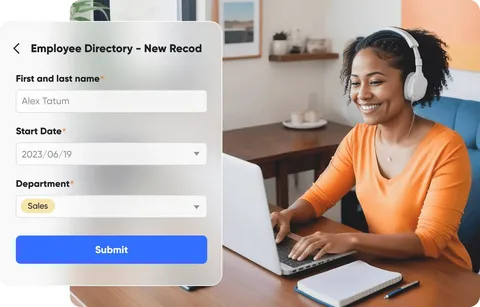
Think about the last time you needed to find a coworker’s phone number or figure out who handles a specific task at your company. Did you have to ask around, search through old emails, or make multiple calls just to get a simple answer? These small frustrations happen every day in workplaces that don’t have the right tools. That’s why employee directory software has become essential for modern businesses. It’s not just a nice extra feature—it’s a core tool that every workplace needs to function smoothly.
What Makes a Tool “Core”?
A core workplace tool is something that employees use regularly and can’t easily work without. Think about email, phones, or computers. These are core tools because work would be nearly impossible without them. Employee directory software fits into this same category because it solves a fundamental problem: helping people connect with each other.
Without a good directory, employees waste time searching for information that should be easy to find. They interrupt coworkers with questions like “Who’s in charge of ordering supplies?” or “Does anyone have Sarah’s phone number?” These interruptions add up, making everyone less productive.
How Employee Directory Software Works
Employee directory software creates a searchable database of everyone in your company. Instead of keeping contact lists in scattered spreadsheets or relying on people’s memories, all the information lives in one organized place. Employees can search by name, department, job title, location, or even specific skills.
Modern directory software goes beyond just storing names and numbers. It shows profile pictures so you can put faces to names. It displays organizational charts so you understand who reports to whom. It often integrates with email and messaging tools so you can contact someone with just one click. Some even show real-time status updates, letting you know if someone is available, in a meeting, or working remotely.
Why Every Department Benefits
Human Resources
HR teams use employee directory software to keep track of the workforce. When someone gets promoted, changes departments, or updates their contact information, the directory reflects these changes. This saves HR staff from manually updating multiple systems and answering constant questions about who works where.
New Employees
Starting a new job means learning dozens or even hundreds of names, faces, and roles. Employee directory software helps new hires get up to speed faster. They can look up anyone they meet, learn about different departments, and figure out who to contact for different needs—all without bothering their busy coworkers.
Remote and Hybrid Teams
When your team is spread across different locations or working from home, staying connected becomes challenging. Directory software bridges this gap by making it easy to find people regardless of where they’re working. You can see who’s in which office, who’s working remotely, and how to reach everyone.
Project Teams
When working on projects that involve people from different departments, directory software helps you quickly identify who has the skills or knowledge you need. Instead of sending mass emails asking “Does anyone know about…?” you can search the directory and find the right expert immediately.
The Cost of Not Having One
Companies without employee directory software face hidden costs every day. Employees waste time searching for contact information instead of doing their actual jobs. New hires take longer to become productive because they don’t know who to ask for help. Important messages get delayed because someone couldn’t figure out who to contact. Teamwork suffers because people can’t easily find colleagues with specific expertise.
These problems might seem small individually, but they create significant drag on productivity and employee satisfaction over time.
Features That Make the Difference
The best employee directory software includes several important features. Easy search functionality lets you find people in seconds. Mobile access means you can look up contacts from anywhere. Profile pictures help you remember who people are. Integration with other tools makes it simple to send emails or messages directly from someone’s profile. Automatic updates ensure information stays current without requiring constant manual work.
Beyond Just Finding People
While finding contact information is the primary purpose, employee directory software does something even more valuable—it helps build company culture. When employees can easily learn about their coworkers’ backgrounds, interests, and achievements, it creates connections. People feel less isolated, especially in remote work situations. The directory becomes a tool for building community, not just sharing phone numbers.
Making It Part of Daily Work
For employee directory software to be truly valuable, it needs to become part of how people work every day. That means making it easily accessible, keeping information up-to-date, and encouraging everyone to use it. When the directory becomes a natural first stop for finding people and information, it transforms from a simple tool into a core part of your workplace infrastructure.
In today’s fast-paced business world, having the right workplace tools can make the difference between a smooth operation and constant frustration. Employee directory software deserves its place as a core workplace tool because it makes something that should be simple—connecting with coworkers—actually simple.