2Q-Solution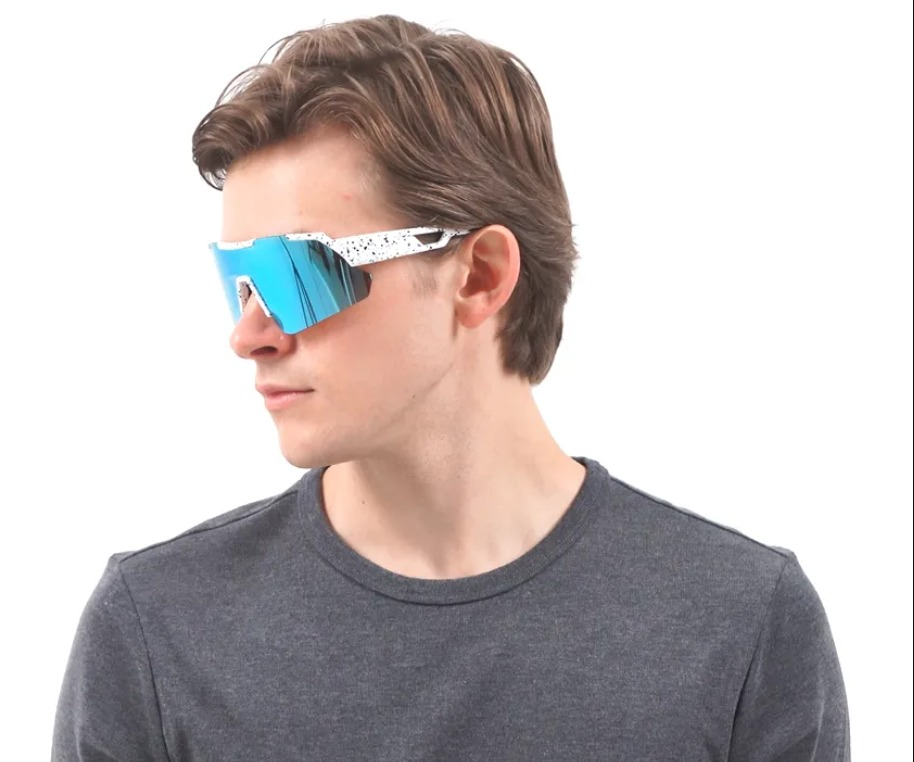
Motorcycle riders who rely on vision correction face a specific challenge on the road. You need eye protection that works with your prescription, stays comfortable at speed, and holds up in changing weather and light. Choosing between sunglasses and goggles is not just a style decision. It affects safety, clarity, and long-term comfort.
Within the first few miles of any ride, weaknesses in eyewear become obvious. Wind dries out eyes. Glare strains vision. Poor fit causes pressure points or slipping. That is why many riders look beyond standard frames and consider prescription motorcycle sunglasses or prescription motorcycle goggles built for riding conditions.
This guide breaks down the real pros and cons of each option, so you can make an informed choice based on how and where you ride.
Why Prescription-Specific Motorcycle Eyewear Matters
Regular eyeglasses are not designed for speed, vibration, or debris. On a motorcycle, even small gaps around lenses allow wind, dust, and insects to hit your eyes. Over time, this leads to fatigue and slower reaction times.
Purpose-built prescription motorcycle riding glasses and goggles solve these problems by combining vision correction with impact-rated materials, wraparound coverage, and secure fit systems. The difference is noticeable, especially on longer rides or highways.
Prescription Motorcycle Sunglasses vs Goggles: Pros & Cons
Prescription Motorcycle Sunglasses
Prescription motorcycle sunglasses designed for riding usually feature wraparound frames, shatter-resistant lenses, and tinted options for glare reduction.
Pros
- Lightweight and breathable
Sunglasses are typically lighter than goggles, which reduces pressure on the nose and temples. For riders in hot climates, better airflow helps prevent fogging and sweat buildup.
- Easy on and off
They slip on like regular glasses and work well with half helmets or open-face helmets. This makes them convenient for short trips or frequent stops.
- Tint and lens options
Many riders prefer sunglasses for daytime riding because tinted lenses reduce glare and eye strain. Polarized options can further improve contrast and clarity.
- More casual off the bike
Prescription motorcycle glasses often look like everyday eyewear, so you do not need to switch glasses when you stop riding.
Cons
- Limited wind sealing
Even well-fitted sunglasses leave small gaps around the edges. At highway speeds, wind can still dry out eyes, especially for riders without a full-face helmet.
- Less protection in extreme conditions
Dust, rain, and cold air are more likely to reach your eyes compared to goggles. This can be uncomfortable or distracting on longer rides.
- Helmet compatibility varies
Some wraparound frames can press against helmet padding, creating pressure points over time.
Prescription sunglasses work best for riders who value comfort, ride mostly in fair weather, and prefer a lighter feel.
Prescription Motorcycle Goggles
Prescription Motorcycle Goggles are built for maximum coverage and protection. They seal around the eyes and are commonly used by touring riders, adventure riders, and anyone who spends long hours on the road.
Pros
- Superior eye protection
Goggles create a full seal that blocks wind, dust, bugs, and rain. This is especially valuable at higher speeds or in unpredictable weather.
- Stable fit at speed
Straps keep goggles securely in place. There is no slipping, even on rough roads or during head checks.
- Better cold-weather performance
In cooler temperatures, goggles help maintain moisture and warmth around the eyes, reducing dryness and irritation.
- Designed for helmets
Most prescription motorcycle goggles are made to fit comfortably with full-face and modular helmets, reducing pressure and improving stability.
Cons
- Heavier than sunglasses
The added structure and seal increase weight, which some riders notice on longer rides.
- Fogging risk
Without proper ventilation or anti-fog treatment, goggles can fog up, especially in humid or stop-and-go conditions.
- Less convenient off the bike
Goggles are not practical for everyday wear once you dismount, so many riders carry a second pair of glasses.
Goggles are ideal for riders who prioritize protection and ride in varied or challenging conditions.
How Riding Style Should Influence Your Choice
The right option often comes down to how you ride.
- Commuters and casual riders often lean toward prescription motorcycle sunglasses for their simplicity and comfort.
- Touring riders benefit from goggles that reduce eye fatigue over long distances.
- Adventure and off-road riders almost always prefer goggles due to dust, debris, and changing terrain.
- Cold-weather riders find goggles far more comfortable when temperatures drop.
If you ride with an open-face helmet, sunglasses may feel more natural. With a full-face helmet, goggles often integrate better.
Lens Technology and Safety Considerations
Regardless of style, lens quality matters. Look for impact-rated lenses that meet safety standards for riding. This is not optional. A small stone kicked up at speed can cause serious injury with inadequate lenses.
Other features to consider include:
- Anti-fog coatings for goggles
- UV protection for all lenses
- Interchangeable lenses for different light conditions
- Scratch-resistant coatings for durability
These features are commonly found in high-quality prescription motorcycle riding glasses and goggles and make a real difference in daily use.
Sunglasses vs Goggles for Long-Term Comfort
Comfort is not just about weight. Pressure distribution, ventilation, and fit shape all matter.
Sunglasses can feel better initially, but prolonged wind exposure can lead to tired, dry eyes. Goggles may feel bulkier at first, but many riders report less overall fatigue after long rides due to better sealing and stability.
The key is proper fit. Ill-fitting prescription motorcycle glasses of any type will become uncomfortable quickly.
When Goggles Make More Sense
If your rides include early mornings, high speeds, or unpredictable weather, goggles offer peace of mind. Many riders who switch to goggles after years of using sunglasses say the difference in eye comfort is immediate.
This is especially true for riders who previously experienced issues like watering eyes or blurred vision from wind exposure. For those cases, investing in properly fitted prescription motorcycle goggles often solves the problem.
You can learn more about how proper eyewear improves safety in this detailed guide on how to ride safer with the right prescription motorcycle glasses.
Common Mistakes Riders Make with Motorcycle Eyewear
One common mistake is choosing eyewear based only on appearance. Another is assuming that any prescription glasses will work for riding. Fit, coverage, and lens quality are far more important than style.
A related discussion on eyewear mistakes can be found in this article about common sunglasses mistakes riders make in demanding environments. While focused on biking, many of the same principles apply to motorcycling.
Finding the Right Prescription Motorcycle Sunglasses or Goggles
Choosing between prescription motorcycle sunglasses and goggles is not about which is better overall. It is about which fits your riding conditions, helmet type, and comfort needs.
If you want maximum protection and ride long distances or in varied weather, goggles are hard to beat. If you prioritize lightweight comfort and ride mostly in fair conditions, sunglasses may be the better match.
For riders ready to explore options designed specifically for motorcycling, high-quality prescription motorcycle goggles built for safety and clarity can be found at CA Glasses.
The right eyewear should fade into the background once you are on the road. When vision is clear and eyes are protected, you can focus fully on the ride itself.
Read More Gorod