Admin
Admin
The Origins and Meaning of Pasonet
Pasonet refers to a distinctive era of internet access when connectivity was powered by coins rather than subscriptions or mobile data plans. Before high-speed home internet became common, pasonet emerged as a practical solution that allowed people to access the internet for short periods by inserting coins into machines located in public spaces. This system was especially popular in regions where personal computers and home internet connections were limited or expensive. Pasonet was not just a technical setup; it represented an early form of democratized internet access that allowed students, gamers, and curious minds to experience the digital world without long-term commitments or high costs.
Coin-Operated Internet as a Social Experience
One of the most unique aspects of pasonet was the social environment it created. Unlike private home browsing, pasonet terminals were often located in shared spaces such as internet cafés, small shops, or community centers. People gathered around screens, exchanged tips, watched each other play games, and learned basic computer skills together. This shared access turned internet usage into a communal activity rather than a solitary one. Pasonet helped foster early digital communities where friendships were built offline and strengthened online, creating a generation that associated the internet with physical social interaction.
Accessibility and Affordability of Pasonet

Pasonet played a critical role in making the internet accessible to people who otherwise might not have experienced it. By charging users per session or per minute, pasonet removed the financial barriers associated with monthly subscriptions and expensive equipment. This affordability allowed students, low-income individuals, and young people to explore online content, send emails, and engage in early social networks. The simplicity of inserting a coin and instantly gaining access made pasonet an inviting entry point into the digital world, particularly for first-time users.
Pasonet and Early Online Gaming Culture
Online gaming flourished in pasonet environments, making them cultural hotspots for multiplayer experiences. Games that required short sessions were especially popular, as users had limited time based on their coins. Competitive gaming thrived as players challenged each other locally while connecting globally through the internet. Pasonet spaces became informal gaming arenas where skills were sharpened, rivalries formed, and teamwork developed. This early exposure to online gaming helped shape future gaming communities and contributed to the growth of esports culture years later.
Learning and Digital Literacy Through Pasonet
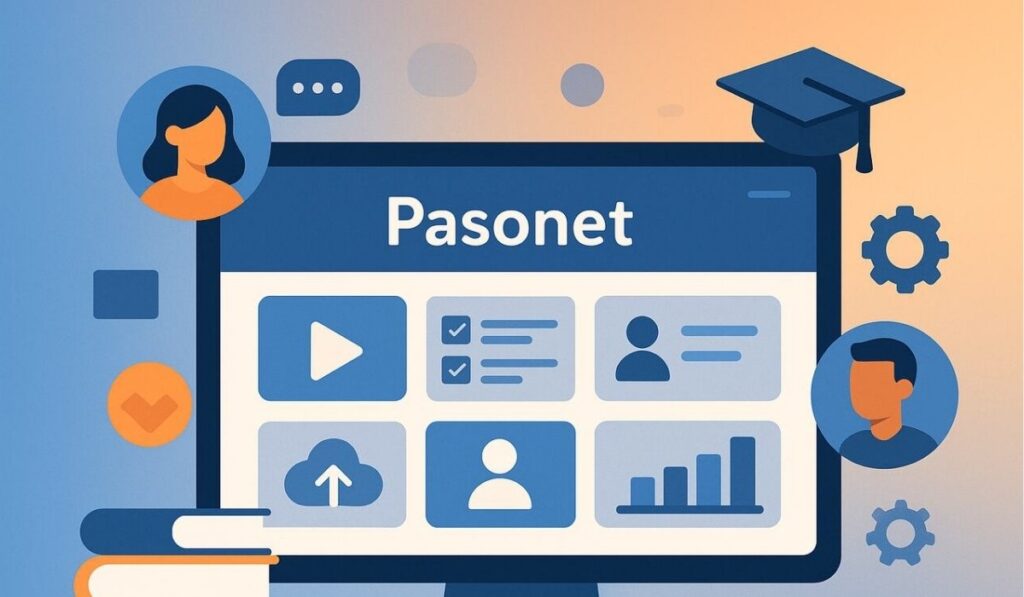
For many users, pasonet served as their first classroom for digital literacy. People learned how to use a mouse, navigate browsers, create email accounts, and search for information. Without formal instruction, users often learned from one another, sharing knowledge organically. This peer-based learning environment helped reduce fear of technology and encouraged experimentation. Pasonet contributed significantly to building foundational digital skills among a generation that later adapted easily to smartphones, social media, and cloud-based tools.
Cultural Impact and Nostalgia of Pasonet
The cultural impact of pasonet extends beyond its technical function. For many, it represents nostalgia for a time when the internet felt new, exciting, and communal. The sound of coins dropping, the countdown timers, and the shared excitement of discovering websites left lasting impressions. Pasonet environments often became safe spaces for creativity, exploration, and connection. Even today, discussions about pasonet evoke memories of early digital adventures and simpler online interactions.
Pasonet’s Role in Bridging the Digital Divide

Pasonet played an important role in narrowing the digital divide during its peak. By offering affordable and accessible internet access, it allowed more people to participate in the growing digital economy. Students used pasonet to research school projects, job seekers searched for opportunities, and families connected with relatives abroad. This access helped integrate marginalized communities into the digital landscape and laid the groundwork for broader internet adoption.
Transition from Pasonet to Modern Connectivity
As technology advanced and internet access became more widespread, the need for pasonet gradually declined. Home broadband, mobile data, and Wi-Fi hotspots replaced coin-operated systems with more convenient options. However, the transition was built upon the familiarity and confidence users gained through pasonet. The habits formed during this era—such as browsing, messaging, and online collaboration—carried forward into modern digital behavior. Pasonet acted as a stepping stone that prepared users for always-connected lifestyles.
Lessons from the Pasonet Era

The pasonet era offers valuable lessons about accessibility, community, and intentional internet use. Limited session times encouraged users to be focused and purposeful online. Shared spaces promoted collaboration and accountability. These qualities contrast with today’s always-on digital environment and remind us of the value of mindful connectivity. Pasonet demonstrates that technology does not need to be complex or expensive to be impactful; it needs to be accessible and human-centered.
The Legacy of Pasonet in Digital History
Pasonet holds a meaningful place in digital history as a symbol of early public internet access and shared online experiences. While the technology itself may no longer be common, its influence remains visible in community-based tech initiatives and public access programs. Pasonet connected a generation not only to the internet but to each other, shaping how people learned, played, and communicated online. Its legacy continues to inspire discussions about digital inclusion and community-driven technology.
Frequently Asked Questions (FAQ)
1. What was pasonet used for?
- Pasonet was used for short-term internet access through coin-operated systems in public spaces.
2. Why was pasonet popular?
- Pasonet was popular because it offered affordable and accessible internet access without monthly subscriptions.
3. Who benefited most from pasonet?
- Students, gamers, and individuals without home internet benefited greatly from pasonet.
4. Is pasonet still used today?
- Pasonet is largely obsolete today, replaced by broadband and mobile internet technologies.
5. What is the legacy of pasonet?
- The legacy of pasonet lies in promoting digital literacy, community interaction, and early internet adoption.