Qamer Javed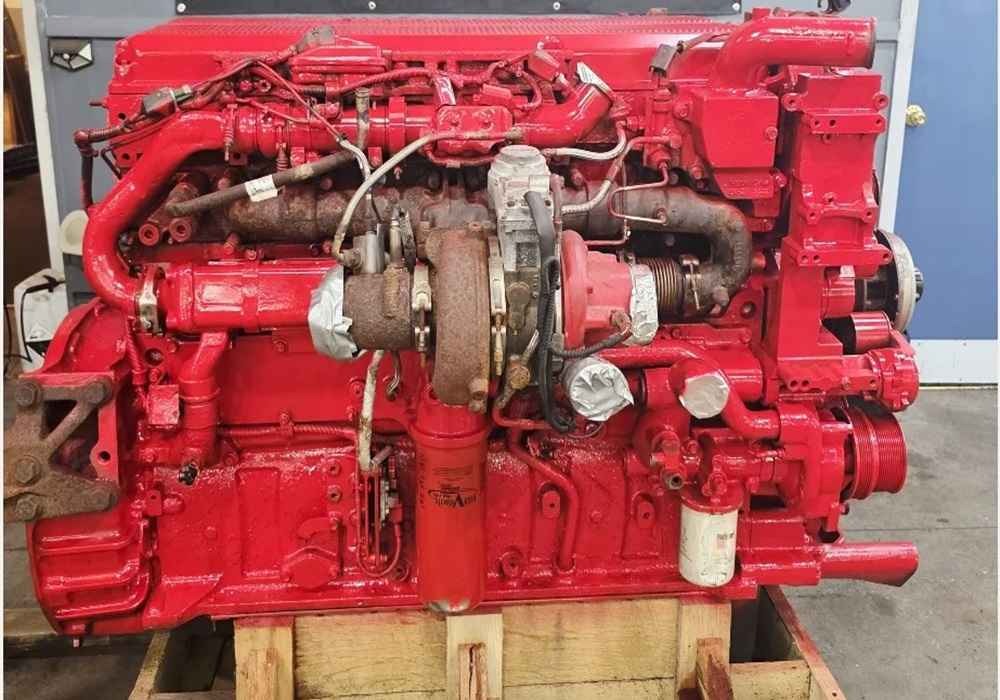
Cummins engines have long been recognized as a benchmark for reliability and strength in heavy-duty machinery. Across construction, mining, agriculture, and industrial transport, these engines consistently deliver dependable power under extreme working conditions. Buyers searching for cummins engines for sale are often looking for more than horsepower. They want durability, long-term value, and an engine platform proven in real-world operations.
What truly differentiates Cummins is its disciplined engineering philosophy. Every engine is designed as part of a complete system, not as an isolated power unit. This systems-based mindset ensures balanced performance, controlled emissions, and ease of maintenance, making Cummins engines a preferred choice for operators who demand consistent results over long service lives.
The Big Bore Philosophy
At the heart of many Cummins heavy-duty engines lies the “Big Bore” design philosophy. This concept emphasizes larger displacement engines that operate at lower speeds while producing high torque. Instead of pushing smaller engines to their limits, Cummins allows big bore engines to work comfortably within their mechanical envelope.
1. Longevity
Big bore engines are inherently built for endurance. Lower operating speeds reduce friction and heat buildup, which helps preserve critical internal components. For operators evaluating cummins engines for sale, this longevity translates into longer overhaul intervals and lower lifetime maintenance costs.
In demanding environments such as mining or continuous-duty construction, engine lifespan directly impacts profitability. Cummins engines are designed to operate reliably for thousands of hours, even under harsh conditions, allowing equipment owners to plan maintenance rather than react to unexpected failures.
2. Fuel Map Optimization
The big bore approach also allows Cummins engineers to fine-tune fuel maps for real-world operating conditions. Engines can maintain optimal combustion efficiency across a wide load range, rather than peaking only at specific RPM bands.
This optimized fuel mapping improves throttle response under heavy loads and helps reduce unnecessary fuel consumption. Operators benefit from smoother power delivery and more predictable performance, especially in applications involving variable loads such as earthmoving or hauling.
Independent Integration
One of Cummins’ most unique strengths is its ability to independently design and integrate major engine subsystems. Unlike manufacturers that rely heavily on third-party components, Cummins develops its own fuel systems, turbochargers, electronics, and aftertreatment solutions.
1. Adaptability
This independent integration enables Cummins engines to adapt across multiple applications and duty cycles. Heavy-duty platforms such as the cummins x15 demonstrate how a single engine architecture can be calibrated for different operational needs while maintaining durability and compliance.
As regulations and operational demands evolve, Cummins can rapidly adjust engine calibrations and hardware. This future-ready design ensures that equipment powered by Cummins engines remains relevant and compliant for years.
2. Support Network
Because Cummins controls the design of its core systems, it also supports them through a unified global service network. Technicians are trained specifically on Cummins components, diagnostics, and software, reducing repair time and misdiagnosis.
For operators working in remote or international locations, this support network is invaluable. Parts availability, consistent service standards, and technical expertise ensure that downtime is minimized wherever the machinery is deployed.
Advanced VGT Turbocharging
Variable Geometry Turbocharging (VGT) is a standout feature in many Cummins heavy-duty engines. Unlike traditional fixed turbochargers, VGT systems dynamically adjust airflow based on engine speed and load.
1. Performance
VGT technology allows Cummins engines to deliver strong low-speed torque while maintaining high-output capability at higher speeds. The turbocharger vanes adjust in real time, ensuring optimal boost pressure across the operating range. For buyers comparing cummins engines for sale, this performance consistency is a key advantage in heavy-duty applications.
This translates into faster acceleration, improved load response, and better performance under varying conditions. Heavy machinery operators experience smoother operation, especially when transitioning between light and heavy workloads.
2. Engine Braking
Another major advantage of VGT systems is enhanced engine braking. Cummins integrates turbocharger control with engine braking functions to provide powerful deceleration without relying solely on service brakes.
Effective engine braking improves safety on steep grades and reduces brake wear. For heavy-duty applications where control and durability matter, this feature significantly enhances overall vehicle performance and operator confidence.
Holistic Aftertreatment Systems
Meeting modern emissions standards is a major challenge for heavy-duty engines, and Cummins addresses this through holistic aftertreatment design. Rather than treating emissions systems as add-ons, Cummins integrates them seamlessly into the engine architecture.
1. Space Savings
Cummins aftertreatment systems are engineered to be compact and efficient. By combining components such as diesel oxidation catalysts, particulate filters, and SCR systems into streamlined modules, Cummins minimizes space requirements.
This space efficiency is especially valuable in machinery where packaging constraints are tight. Equipment designers gain more flexibility without sacrificing emissions compliance or service accessibility.
2. Efficiency
Holistic integration improves emissions control while minimizing fuel penalties. By aligning combustion efficiency with aftertreatment performance, Cummins reduces regeneration frequency and fuel consumption. For operators investing in cummins engines for sale, this efficiency results in lower operating costs and improved uptime.
The result is lower overall fuel consumption, reduced maintenance needs, and consistent emissions performance over the engine’s life. This systems-based approach ensures compliance without compromising productivity.
Cummins vs. Typical Heavy-Duty Competitors
| Feature | Cummins (X15/X12) | Standard Competitors |
| Integration | Universal / Independent | Proprietary (Chassis-specific) |
| Torque Delivery | High-torque at low RPM | Often requires higher RPM |
| Braking Power | Best-in-class VGT braking | Standard compression release |
| Weight | Often uses compacted graphite iron (CGI) to shed lbs | Traditional heavy grey iron |
Conclusion
Cummins engines stand apart in heavy-duty machinery because they are built around a complete engineering philosophy rather than isolated performance metrics. From the durability-focused Big Bore design to independently integrated systems, every element is optimized for real-world demands.
Advanced VGT turbocharging and holistic aftertreatment solutions further reinforce Cummins’ commitment to efficiency, control, and long-term reliability. For industries that depend on machines working harder, longer, and smarter, Cummins engines continue to set the benchmark for heavy-duty performance and engineering excellence.