Khizar Seo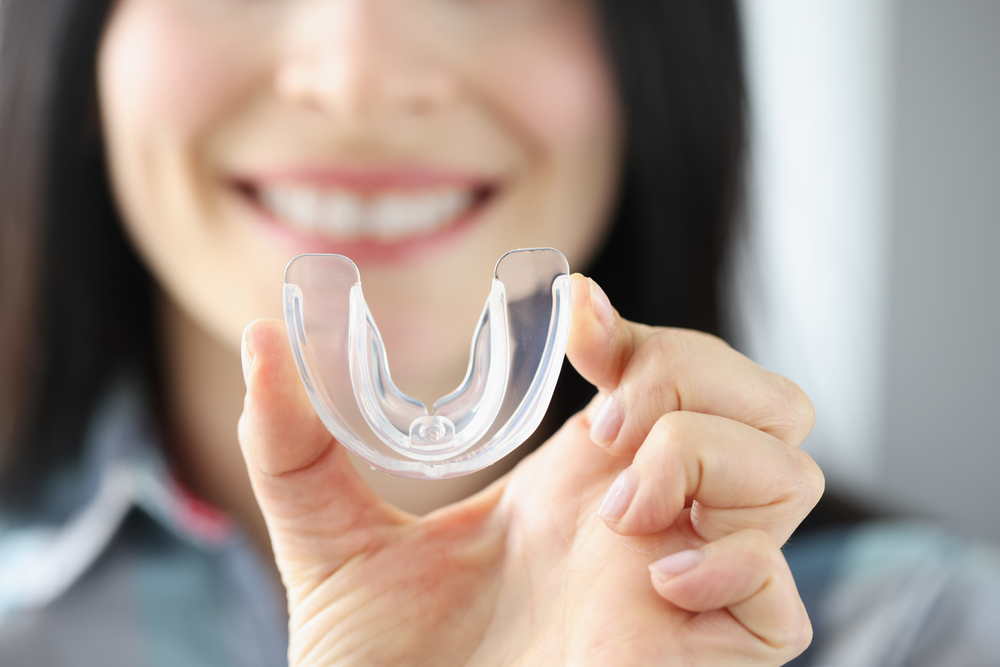
Night-time clenching and grinding were once treated as side issues, separate from orthodontic care. That line has blurred. Orthodontists are now paying closer attention to how pressure during sleep affects teeth, jaws, and active treatment. As a result, night guards are no longer limited to managing bruxism. They are being used earlier and more thoughtfully as a preventive tool.
This change reflects broader patterns in healthcare. Stress levels are rising, sleep quality is under strain, and dental wear is appearing in younger adults. These factors are reshaping how orthodontists protect both teeth and treatment progress.
Stress And Clenching Are Affecting More Patients
Clenching often happens without awareness. Many people wake with jaw tension, headaches, or sensitive teeth, but do not connect these signs to nighttime habits. Increased work pressure and screen use have made this pattern more common.
For patients wearing braces or aligners, clenching can place extra force on teeth that are already moving. Orthodontists are seeing chipped brackets, distorted aligners, and uneven bite contact linked to night-time pressure. This has led to wider use of night guards as part of active care rather than a later fix.
How Clenching Disrupts Orthodontic Treatment
Orthodontic appliances apply controlled force to guide tooth movement. Clenching introduces uncontrolled force. The two do not work well together.
With braces, repeated pressure can loosen brackets or strain wires. With aligners, clenching can warp trays, reducing their fit and effectiveness. Over time, this can slow progress or create unwanted movement.
Night guards help absorb this pressure. By placing a protective layer between the teeth, they reduce strain on appliances and support more predictable movement.
Preventive Use During Treatment
Orthodontists now assess clenching risk during planning, not only after damage appears. Signs include worn enamel, jaw muscle tension, and patient reports of morning discomfort.
When risk is present, night guards may be introduced during treatment. This is not about treating grinding alone. It is about protecting alignment work while teeth and bone adapt.
Some clinics that focus on structured planning, such as Textbook Orthodontics, include this assessment as part of routine care. The aim is to prevent setbacks rather than manage them later.
Custom Guards And Off-The-Shelf Options
Over-the-counter guards are widely available, but they are not designed for orthodontic use. Poor fit can shift teeth or place uneven pressure on the bite. In some cases, this can work against treatment goals.
Custom night guards are shaped to the individual bite and adjusted as teeth move. This allows them to protect without interfering with alignment. For patients in braces or aligners, this difference matters.
Orthodontists weigh these factors carefully. The goal is to support treatment, not add another variable.
Supporting Bite Stability
Clenching can also affect how the bite settles once treatment ends. Teeth that are under constant pressure may not seat evenly, leading to discomfort or a gradual shift.
Using night guards during and after treatment can help manage this risk. By reducing muscle force at night, they give teeth time to settle into their planned positions.
This approach aligns with the broader focus on retention and long-term stability in orthodontics.
Protecting The Effort Already Made
Orthodontic treatment requires time, patience, and commitment. When night-time habits threaten progress, prevention becomes a practical step.
Night guards offer a simple way to protect that effort. They do not change treatment plans, but they support them. For many patients, this small addition helps avoid delays and adjustments.
Importantly, their use is guided by clinical need rather than routine habit. Not every patient needs one, but those who do benefit from early action.
A Broader View Of Dental Care
Preventive use of night guards reflects a broader shift in dental thinking. Care is moving toward early risk management rather than reactive fixes. Orthodontists are looking at how daily habits, stress, and sleep affect outcomes.
By addressing clenching as part of treatment, they support both comfort and results. This approach recognises that teeth do not exist in isolation from the rest of the body.
Summary
Night guards have taken a wider role in orthodontic care. Once seen only as a response to grinding, they are now used to protect appliances, support bite stability, and reduce the impact of stress-related clenching. When prescribed thoughtfully, night guards help safeguard orthodontic progress and contribute to steadier outcomes over time.