BlitZ
BlitZ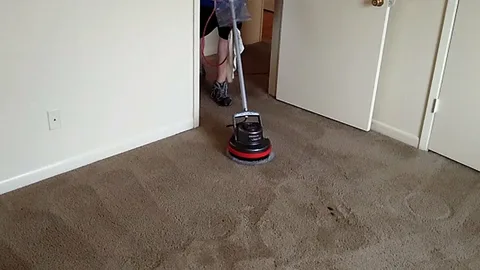
Sharing your home with pets means signing up for unconditional love, endless entertainment, and the occasional carpet-related surprise.
While pet stains are frustrating, unpredictable, and impressively well-timed, they don’t have to become permanent features.
With a few DIY solutions and the right technique, you can tackle most accidents quickly, neutralise odours, and keep your carpets fresh. Keep reading to learn how you can do this.
Why Pet Stains Are a Bit More Complicated
Pet stains aren’t just another spill you can wipe away and forget about. They usually contain proteins, bacteria, and acids that bind tightly to the fibres, making them far more stubborn than everyday messes.
When these substances sink in, they don’t just leave visible marks; they create odours that can reactivate whenever the area warms up or gets damp.
That’s why a stain you thought you’d dealt with weeks ago can suddenly reappear on a humid day.
There’s also the issue of scent memory. Pets have far more sensitive noses than we do, and if any trace of the smell remains, they may keep returning to the same spot.
From their perspective, it’s simply familiar territory. But luckily, cleaning these stains the right way will help you break that cycle.
White Vinegar and Water
White vinegar is one of the most reliable DIY solutions for pet stains. It works by neutralising odours and breaking down the bacteria responsible for lingering smells, all without relying on harsh chemicals. So, it’s particularly effective for fresh urine stains.
To make the solution, mix equal parts white vinegar and water. Once it’s ready, apply it to the affected area using a spray bottle or cloth, making sure the fabric is damp but not soaked.
Let it sit for a few minutes to give it time to work, then blot gently with a clean cloth or paper towel.
Baking Soda
Baking soda is your go-to option when the stain is gone, but the smell stubbornly refuses to follow. Instead of covering up odours, this ingredient absorbs them, which makes it ideal for pet-related mishaps.
Once the treated area is completely dry, sprinkle a generous layer of baking soda over the spot. Leave it in place for several hours, or overnight if possible, then vacuum the area well.
This method is especially useful for older stains or busy areas where your pet spends a lot of time. Just be prepared for your furry buddy to show sudden interest in the area, as if you’ve done this purely for their benefit!
Hydrogen Peroxide
Hydrogen peroxide can be helpful for tougher stains, particularly if you have light-coloured rugs, but you need to use it carefully.
It has mild bleaching properties, which means testing it on an inconspicuous area is essential before committing.
If the test area looks fine, apply a small amount of hydrogen peroxide directly to the stain. Let it sit briefly, then blot with a clean cloth. Rinse the spot with plain water and blot again to remove any residue.
Used sparingly, hydrogen peroxide can lift stubborn discolouration and disinfect your space.
Essential Oils
Essential oils aren’t magic stain removers. But used properly and sparingly, they can be a helpful finishing touch once the real cleaning work is done.
After you’ve removed the stain and neutralised the odour with vinegar or baking soda, these essences can help your carpet smell fresh.
If you want to use them, stick to pet-safe options, like lavender or chamomile, and use them only in small amounts.
To do this, add a few drops to baking soda, sprinkle it lightly over the area, let it sit for an hour or two, and then vacuum your rug.
What you don’t want to do is drip oils directly onto the carpet or go heavy-handed, thinking more is better. Strong concentrations can irritate your pet’s nose, and some oils are toxic to animals even in small doses.
What Not to Do
When you’re dealing with a pet stain, it’s easy to act on instinct and accidentally make things worse. Here are some common mistakes that can lock stains in place or create new problems:
- Using hot water. Heat can permanently set protein-based stains, like urine or vomit, into the fabric, making them far harder to remove later. To avoid making the mark permanent, stick to cold or lukewarm water when cleaning.
- Scrubbing aggressively. Scrubbing might feel productive, but it’ll just spread the smudge and force it deeper into your carpet.
- Over-saturating the area. Pouring too much liquid onto your rug can push moisture into the underlay. That trapped dampness can lead to lingering odours or even mould if it’s left unchecked.
- Relying on air fresheners alone. Sprays and scented products may mask smells temporarily, but they don’t remove the bacteria causing them. If the source isn’t dealt with, the odour will almost always return.
When DIY Isn’t Enough
Homemade solutions are excellent for fresh accidents and routine maintenance, but they have their limits. So, if you’ve treated the stain, neutralised the smell, and it still seems to linger, the issue is probably sitting deeper than any DIY solution can reach.
Over time, pet accidents can soak through the fibres and into the underlay beneath. Once that happens, surface cleaning won’t touch it, no matter how diligent you are.
That’s often why smells reappear days or weeks later, especially in warm or humid weather, even though your rug looks clean on the surface.
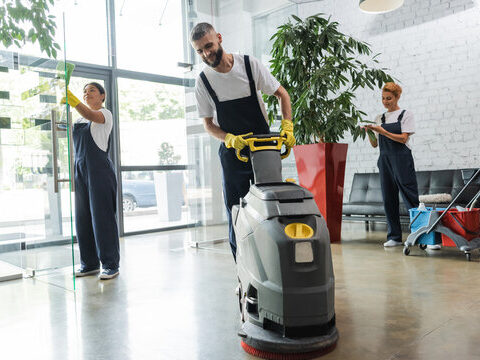
If this is the case, it’s a good idea to bring in carpet cleaning services. Their commercial-grade equipment can flush out bacteria, odour-causing residues, and built-up grime.
Overall, if DIY solutions have taken you most of the way but not quite over the finish line, getting expert help can save you time, frustration, and a lot of repeat cleaning down the track.
Conclusion
Living with pets means accepting a few messes along the way, but they don’t have to take over your home.
With the right DIY solutions, you can keep your carpets fresh without putting your furry friends at risk. After all, stray fur and the occasional mishap come with the territory, and honestly, they’re a small price to pay for the company!