World rankers
The aroma of freshly pulled espresso, the delicate crema on top, the perfectly steamed milk forming intricate patterns—what was once exclusive to boutique cafés is now becoming a daily reality in homes across the country. More coffee enthusiasts are transforming their kitchens into personal barista stations, seeking that café-quality experience without leaving their houses. However, the journey from casual coffee drinker to home barista begins with one crucial decision: selecting the right espresso machine.
Navigating the world of professional-grade coffee equipment can feel overwhelming. With countless models boasting different features, technologies, and price points, finding a machine that truly delivers on its promises requires careful consideration. High-end espresso machines offer more than just convenience—they provide precision temperature control, consistent pressure, and the durability needed for daily use. These investments unlock a world of brewing possibilities, allowing you to experiment with different beans, techniques, and recipes. This article explores what makes premium espresso machines worth the investment and guides you through selecting and mastering the equipment that will elevate your home brewing experience.
Why Invest in a Professional Coffee Machine for Home?
The decision to invest in a professional-grade espresso machine transforms your relationship with coffee. Beyond the immediate pleasure of café-quality drinks, these machines offer remarkable long-term value. Consider the economics: a daily café espresso habit costs roughly $1,500 annually, while a high-end home machine pays for itself within two to three years. More importantly, you gain complete control over every variable—from bean selection and grind size to water temperature and extraction time—allowing you to craft drinks precisely to your preferences.
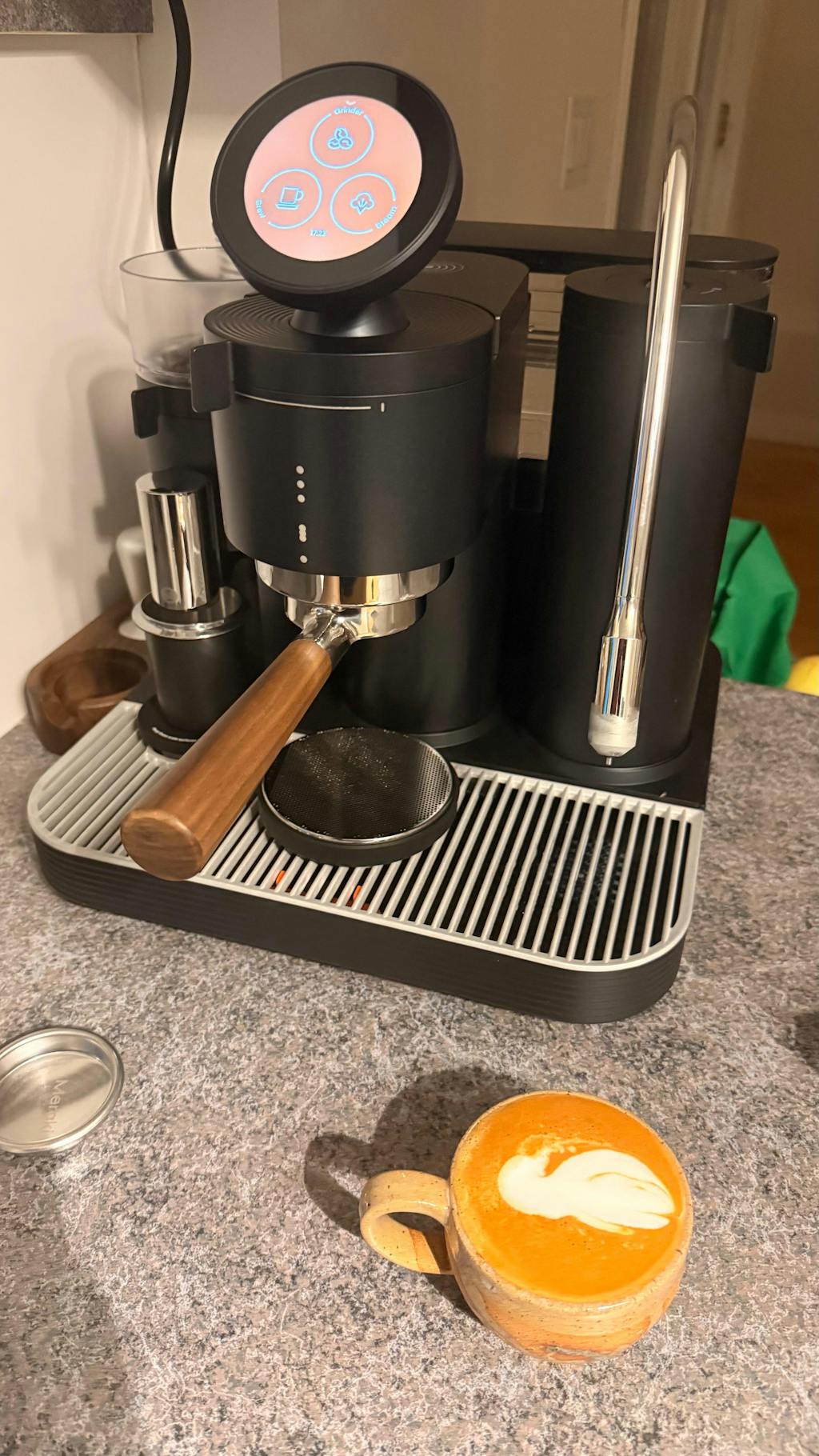
The gap between standard consumer machines and professional equipment is substantial. Entry-level models typically use thermoblock heating systems that struggle with temperature stability, produce inconsistent pressure, and often fail after a few years of regular use. Professional machines feature commercial-grade components: brass or copper boilers that maintain precise temperatures, rotary pumps delivering steady pressure, and stainless steel construction built for decades of service. The difference shows immediately in your cup—richer crema, more balanced extraction, and complex flavor profiles that consumer machines simply cannot achieve.
Professional equipment elevates your entire brewing ritual. The tactile feedback of a quality portafilter, the responsive steam wand that gives you precise milk texture control, and the satisfaction of pulling a perfect shot create an engaging daily practice. You’re not just making coffee; you’re developing a craft that deepens your appreciation for specialty beans and connects you to the broader coffee culture.
Top Features to Look for in Home Espresso Machines
Dual-Boiler Systems for Optimal Performance
Dual-boiler technology represents one of the most significant advancements in home espresso equipment. Unlike single-boiler machines that force you to wait between pulling shots and steaming milk, dual-boiler systems maintain separate boilers for brewing and steaming. This means you can extract espresso at the ideal 93°C while simultaneously steaming milk at 130°C, eliminating the temperature surfing and wait times that disrupt your workflow. The result is faster drink preparation and more consistent results, especially when making multiple beverages back-to-back.
The technology also provides superior temperature stability during extraction. The dedicated brew boiler maintains precise heat throughout the shot, preventing the temperature fluctuations that cause sour or bitter flavors. For home baristas serious about espresso quality, machines with PID temperature controllers on dual-boiler systems offer programmable precision down to a single degree. Models featuring this technology have become increasingly accessible for home use, with manufacturers like Meraki Tech Global designing compact versions that fit standard kitchen counters while delivering commercial-level performance. When evaluating machines, prioritize those with brass or copper boilers over aluminum, as these materials provide better thermal mass and longevity.
Essential Barista Tools for Home Brewing
Even the finest espresso machine requires complementary tools to achieve professional results. A precision burr grinder stands as the most critical companion to your machine—fresh grinding immediately before brewing preserves aromatic compounds and allows you to dial in the exact particle size for optimal extraction. Pair this with a calibrated tamper that fits your portafilter basket precisely, ensuring even compression and level coffee beds that promote uniform water flow.
Temperature management tools elevate consistency significantly. A bottomless portafilter reveals extraction patterns, helping you identify channeling and adjust your technique, while a quality thermometer ensures your milk reaches the ideal 65°C without scalding. Invest in a dosing cup to minimize mess and static, precision scales for repeatable recipes, and a proper knock box for efficient workflow. Distribution tools like WDT (Weiss Distribution Technique) needles break up clumps and create uniform density throughout the puck. These accessories transform variables into constants, allowing you to isolate and perfect each element of your brewing process while developing the muscle memory that separates adequate espresso from exceptional shots.
Best High-End Espresso Machines for Home Use
The landscape of professional-grade home espresso machines offers compelling options across various price tiers. At the premium end, heat exchanger machines provide excellent value for enthusiasts who prioritize espresso quality and occasional milk drinks. These single-boiler systems use clever thermosiphon technology to simultaneously brew and steam, delivering near-commercial performance at more accessible price points. They excel at temperature stability and feature robust construction with commercial-grade group heads and brass boilers designed for longevity.
Dual-boiler machines represent the pinnacle of home brewing technology, offering complete temperature independence and programmable shot parameters. These systems appeal to users who regularly prepare multiple milk-based drinks or demand absolute precision in their espresso. The best models feature PID controllers on both boilers, pre-infusion capabilities, and volumetric dosing for repeatable results. Some incorporate smart connectivity for shot tracking and remote temperature adjustment, though these features add cost without necessarily improving cup quality.
For those prioritizing workflow efficiency, machines with rotary pumps operate more quietly than vibratory pump alternatives and provide smoother pressure profiles during extraction. Consider footprint carefully—professional machines require substantial counter space and clearance for water reservoir access and maintenance. Budget considerations should extend beyond the initial purchase to include a quality grinder, which many experts argue matters more than the machine itself. Entry into serious home espresso starts around the mid-tier range for capable heat exchanger models, while flagship dual-boiler systems command premium prices but deliver uncompromising performance. The sweet spot for most dedicated home baristas lies in well-engineered dual-boiler machines that balance features with practicality, offering commercial capabilities without industrial complexity.
Mastering High-End Brewing Techniques at Home
Perfecting Your Espresso Shot
Pulling exceptional espresso requires methodical attention to each step. Begin by purging your group head to ensure temperature stability, then dose 18-20 grams of freshly ground coffee into your portafilter. Distribute the grounds evenly using WDT or gentle tapping to eliminate clumps, then tamp with consistent 30-pound pressure while keeping the coffee bed level. Lock the portafilter firmly and start extraction immediately—your shot should begin flowing after 5-8 seconds of pre-infusion, with rich, syrupy espresso streaming steadily for 25-30 seconds total to yield approximately 40 grams of liquid.
When troubleshooting problematic shots, the symptoms reveal specific solutions. Sour, thin espresso indicates under-extraction—grind finer, increase your dose slightly, or raise brew temperature by one degree. Bitter, harsh flavors signal over-extraction—coarsen your grind, reduce dose, or lower temperature. Channeling, visible as spurting or blonde streaks in a bottomless portafilter, results from uneven distribution or inconsistent tamping; focus on improving your puck preparation routine. If shots pull too quickly or slowly, adjust grind size first before modifying other variables. Keep detailed notes on your recipes, recording grind setting, dose, yield, and time for each attempt. This systematic approach transforms random experimentation into deliberate refinement, building the consistency that defines skilled home baristas.
Advanced Milk Steaming and Latte Art
Professional milk texture begins with cold, fresh whole milk and a clean steam wand. Purge the wand briefly, then position the tip just below the milk surface at a slight angle. Engage steam fully while keeping the tip near the surface for 3-5 seconds, introducing air with a subtle paper-tearing sound—this creates microfoam. Then submerge the wand deeper to create a whirlpool that incorporates the foam throughout, heating until the pitcher becomes uncomfortable to hold (around 65°C). The finished milk should have a glossy, paint-like consistency without visible bubbles, flowing smoothly when swirled.
Latte art starts with proper foundation: a well-pulled espresso with intact crema and perfectly textured milk. Hold your cup at a 45-degree angle and begin pouring from height to let milk sink beneath the crema. Once the cup is two-thirds full, lower your pitcher close to the surface and increase flow rate—white microfoam will rise and spread. For a basic heart, pour a circle in the center, then draw through it by lifting the pitcher while moving forward. The rosetta builds on this by gently wiggling the pitcher side-to-side while moving backward, creating stacked leaves, then striking through the pattern. Practice with water and dish soap initially to develop muscle memory without wasting ingredients, focusing on pitcher control and pour height before attempting complex designs.
Elevate Your Daily Coffee Ritual
Investing in a professional-grade espresso machine transforms your home into a personal café where quality, creativity, and craftsmanship converge. The benefits extend far beyond financial savings—though recouping your investment within a few years is certainly appealing. These machines grant you complete control over every aspect of your coffee, from selecting single-origin beans to fine-tuning extraction parameters that match your exact taste preferences. The ritual of crafting espresso becomes a meditative practice, a skill you continuously refine, and a source of genuine pride when you serve guests drinks that rival their favorite coffee shops.
Taking the leap into high-end home brewing requires commitment, but the rewards justify the investment. Start with solid equipment that matches your ambitions—a capable dual-boiler machine paired with a quality grinder forms the foundation for years of exceptional coffee. Dedicate time to mastering fundamental techniques before chasing complexity, building consistency through deliberate practice and careful observation. The journey from enthusiast to accomplished home barista unfolds gradually, marked by incremental improvements and occasional revelations. Your kitchen counter becomes your training ground, each morning an opportunity to refine your craft. For those willing to invest in both equipment and skill development, professional-grade espresso machines don’t just upgrade your coffee—they fundamentally enhance your daily routine and deepen your appreciation for one of life’s simple, profound pleasures.