2Q-Solution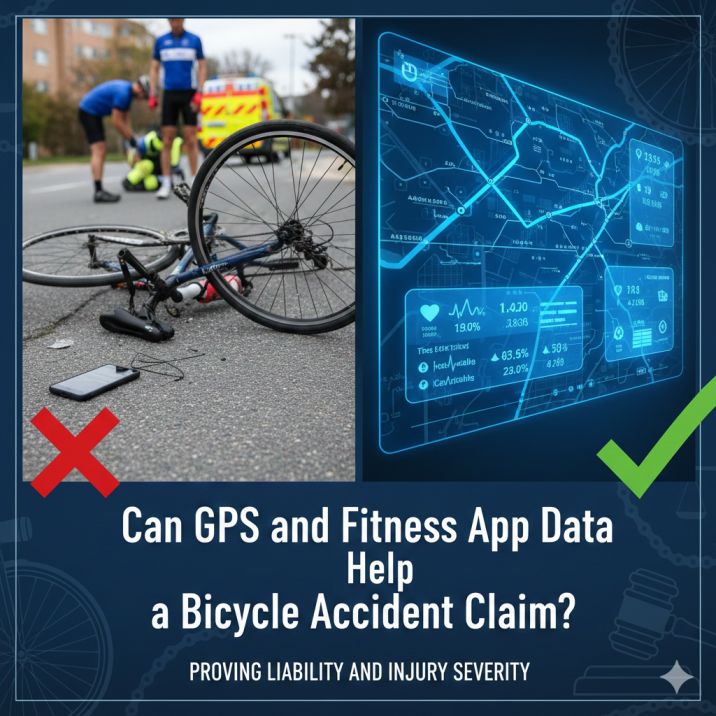
Most cyclists track their rides using apps and devices like Strava, Garmin, and Fitbit. These tools record routes, speed, elevation, heart rate, and timing automatically. After a crash, many focus on photos and police reports, but they often overlook their ride data. This data can provide key evidence about the crash and its effects.
It can help prove liability and counter insurance tactics by showing that a cyclist was riding legally and predictably. If you were injured and your digital data could support your claim, Meyers & Flowers can help you understand what to preserve and how to use it effectively to strengthen your case.
Why Digital Data Matters In Bicycle Accident Claims
Bicycle crashes often become disputed because drivers may deny fault or change their story. They might claim the cyclist swerved, came out of nowhere, ran a stop sign, or was riding too fast. When it’s your word against theirs, the insurance company may use that uncertainty to reduce the settlement value.
GPS and app data can help fill those gaps. It provides objective time and location information that supports your version of events. It can also help show how long you were riding before the crash, where you were positioned, and whether your route made sense for the area.
What Types Of App Data Can Be Used As Evidence?
Fitness apps and GPS devices can capture more useful information than most cyclists realize. Depending on the app and device, you may have access to:
- Route maps with precise GPS tracking
- Speed data and average pace
- Time stamps and ride start/end times
- Elevation changes and terrain
- Heart rate trends and spikes
- Cadence and power data (for performance devices)
- Pause points or sudden stops
- Bluetooth sensor data from bike computers
These details can be used to show crash timing and location and can also help explain sudden changes in movement or activity that align with the impact.
How GPS Data Can Prove Location And Timing
One of the biggest advantages of GPS data is that it can prove exactly where you were at the time of the crash. That matters because location often ties directly to fault. For example, a driver may claim you were riding outside a bike lane when you weren’t—or claim you were crossing unlawfully when your route data shows otherwise.
Timing also matters. If the driver claims they couldn’t stop because you “appeared suddenly,” app time stamps may show how long you were moving along that route and whether the driver had adequate time to see you. This can be especially useful in intersection collisions and driveway or parking lot crashes.
Can App Data Help Prove Speed And Safe Riding Behavior?
Yes, in many cases. Drivers often claim cyclists were speeding or riding recklessly to reduce liability. If your data shows a steady speed that matches normal cycling patterns, it can help counter those accusations. It can also help show you were slowing down before an intersection, stopping at signs, or riding at a consistent pace.
Speed data can also help prove impact severity. If the ride ends abruptly at a certain location, or the data shows a sudden stop that aligns with your injuries, it supports the claim that the crash was forceful—not minor.
Heart Rate Spikes And Sudden Stops Can Support Injury Claims
Some devices track heart rate throughout a ride. After a crash, a sudden spike in heart rate may reflect trauma, pain, or shock. While heart rate alone doesn’t prove a crash, it can support the overall timeline when combined with GPS location and other evidence.
Similarly, sudden stops or ride termination can help confirm the moment of impact. If the app shows a ride ending at a specific point on the road at the exact time you reported the crash, it becomes harder for the insurance company to argue that the accident happened differently—or not at all.
What About Privacy And Reliability Concerns?
Insurance companies sometimes argue that app data is unreliable because it can be edited or because GPS tracking isn’t perfect. It’s true that GPS data can have small variations due to signal issues, but most modern apps are accurate enough to establish location and timing clearly.
Privacy is also a valid concern. Your app data may include ride history, home location patterns, or personal information. That’s why it’s important to share only what is necessary and to preserve the original data before exporting anything. Proper handling helps protect both your claim and your privacy.
How To Preserve Digital Ride Data After A Crash
Digital evidence is only useful if it is saved correctly. If your device syncs automatically, the ride may already be recorded and stored. But you should take steps to preserve it immediately:
- Save screenshots of the route map, time, and speed
- Export the ride file (GPX or FIT file if available)
- Back up the ride data to a secure account or cloud storage
- Do not delete or edit the ride entry
- Save any device logs if you use a bike computer
- Preserve GoPro or helmet cam footage if available
These steps help ensure the data remains intact if later requested during negotiations or litigation.
How GPS Data Works Best With Other Evidence
App data is strongest when used alongside traditional evidence. It should support—not replace—other proof such as police reports, witness statements, vehicle damage photos, and medical records. When the evidence forms a consistent story from multiple angles, your claim becomes harder to dispute.
For example, GPS data can confirm crash location, while surveillance footage confirms the driver’s unsafe turn. Medical records confirm injury timing, while heart rate and ride ending confirm the moment of trauma. Together, they create a clear, documented timeline.
When Digital Evidence Can Shift Negotiations
In many bicycle claims, insurers lowball the case because they assume fault is unclear. GPS and fitness app data can reduce that uncertainty, especially if it clearly supports your position. When an insurer sees objective digital proof that matches your story, their ability to dispute the basics becomes weaker.
In the middle of a claim, strong digital evidence can also help push back against arguments like “you were riding too fast” or “you weren’t where you said you were.” This is one reason why Chicago bicycle accident lawyers often emphasize preserving app data early—it can add credibility and pressure that improves negotiation outcomes.
Digital Ride Data Can Be Powerful Evidence When Used Correctly
GPS and fitness app data can absolutely help a bicycle accident claim. It can prove location, timing, speed patterns, and movement changes that support what happened and strengthen fault arguments. For cyclists, this data can act like a digital witness—supporting your version of events when the driver disputes the crash.
The key is preserving the data early and using it strategically. When paired with medical evidence and traditional crash documentation, fitness app data can strengthen your case, reduce dispute tactics, and help ensure your claim reflects the true impact of the crash.