2Q-Solution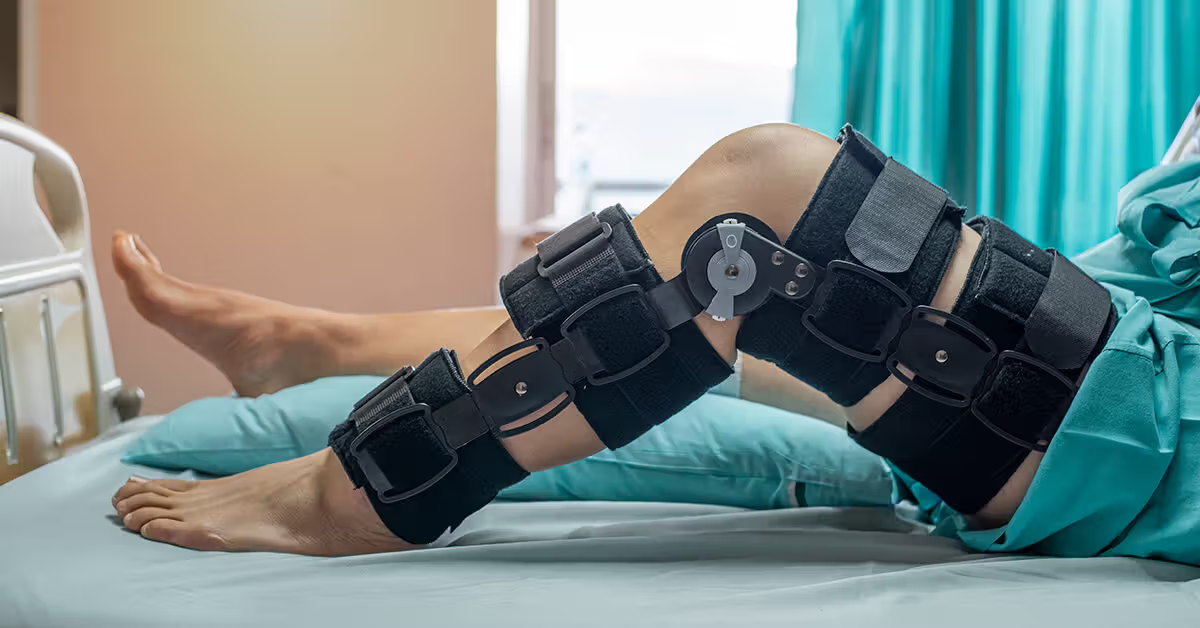
Patience is often described as the hardest part of recovery, and this is especially true after ACL reconstruction. For people who enjoy staying active, being told to slow down and wait can feel very challenging. Recovery, however, is not simply about waiting. It involves understanding what the body needs at each stage in order to heal properly.
Every patient’s experience after surgery looks a little different. Some bounce back quickly, while others take longer to regain strength and confidence. What most people don’t realize is that several factors influence how soon they can return to daily routines or the activities they enjoy.
In Singapore, where sports and fitness are such an integral part of many people’s lives, ACL reconstruction surgery is a common procedure. Understanding what affects recovery time can help set realistic expectations and support a smoother, more successful healing process.
The Extent of the Injury
It is easy to think of ACL surgery as a simple fix, where a torn ligament is repaired and recovery is done. In reality, the severity of the original injury often affects how complex recovery can be. A complete tear that requires grafting or occurs alongside other knee damage, such as a meniscus tear, usually needs more time and care than a partial tear.
The condition of the surrounding tissues
When a surgeon begins the procedure, they usually assess more than just the ACL. The health of the surrounding cartilage and ligaments matters a great deal. If these tissues are healthy and undamaged, rehabilitation usually progresses more quickly. On the other hand, if there’s accompanying tissue damage or inflammation, the body must first prioritize healing those structures before moving forward.
Swelling and inflammation after surgery
Post-surgery swelling is a normal part of the recovery process, but prolonged inflammation can slow healing. The body sends extra blood and fluid to the injured area to begin repair, yet excessive swelling can limit movement and make physical therapy more difficult. Managing this through proper elevation, rest, ice, and prescribed medication helps reduce delays in regaining mobility.
Pain management and early movement
For many patients, pain management directly affects their confidence to move again. Controlled pain allows patients to start rehabilitation exercises sooner. Modern recovery programs encourage safe, early movement to prevent stiffness and build muscle strength. Patients who follow through with pain control and therapy plans often experience gradual, steady improvements without compromising the healing ligament.
The Role of Rehabilitation and Lifestyle Habits
Even after precise surgical repair, the real work begins in the weeks that follow. How a person engages with their rehabilitation routine, diet, and overall lifestyle can greatly influence the speed and quality of recovery.
Commitment to physiotherapy
Physical therapy is a core part of any recovery plan. The body needs time to relearn how to stabilize, balance, and move the knee safely. Consistency plays an important role, as patients who follow their rehabilitation program under professional guidance often regain strength more effectively. Skipping sessions or pushing too hard too early can slow progress and increase the risk of re injury.
Physiotherapists often tailor rehabilitation programs to fit a patient’s work schedule and activity level, which helps make consistency easier to maintain. Progress may feel slow at first, but each small improvement, such as bending the knee a little more, walking without crutches, or climbing a few steps, is a meaningful sign of recovery.
Nutrition and overall health
Healing places extra demands on the body, which is why nutrition becomes so essential. Foods rich in protein, vitamins, and minerals help repair tissues and strengthen muscles. Staying hydrated aids joint function and reduces fatigue during rehabilitation exercises. Sleep is also vital, as most of the body’s restorative processes occur at night.
Athletes and active individuals sometimes underestimate the importance of rest. However, overexertion can lead to inflammation and muscle strain, undermining weeks of hard-earned progress. The right balance between activity and recovery helps the body rebuild stronger.
Mental mindset and support system
One factor that is often underestimated during recovery is mindset. Recovery after ACL reconstruction can feel frustrating, especially during the middle stages when progress is less noticeable. Having a strong support system, whether from family, friends, or a physical therapist, can help maintain motivation and keep recovery on track.
Mental resilience also affects consistency in therapy. Patients who stay optimistic and patient tend to stick with their routines and experience better outcomes overall. Practicing mindfulness, visualization, or simply celebrating small milestones can make recovery feel less daunting.
The Role of Surgical Technique and Postoperative Care
Not all surgeries are performed the same way, and the method used can influence healing speed and patient comfort. Advances in medical technology now allow for minimally invasive procedures, which often result in smaller incisions, reduced tissue trauma, and faster recovery.
Surgeon’s technique and experience
In skilled hands, ACL reconstruction becomes more precise and efficient, reducing the risk of complications. Surgeons trained in advanced arthroscopic techniques can repair the ligament with minimal disturbance to surrounding tissues. In Singapore, many orthopaedic specialists have undergone extensive training to refine these procedures, helping patients recover comfortably and confidently.
Quality of postoperative care
After surgery, follow-up appointments ensure the knee is healing properly and that patients progress at the right pace. Adjustments to rehabilitation intensity or pain management strategies happen during these visits. Open communication between surgeon, physiotherapist, and patient ensures all aspects of healing coordinate smoothly.
Good postoperative care involves more than checking how the wound is healing. It also helps reduce the risk of complications such as blood clots, infections, and joint stiffness, all of which can slow down recovery if not managed properly.
Listening to the body’s signals
Every person’s healing journey is unique, and no timetable fits everyone perfectly. While some regain strength quickly, others might need more time. It’s essential to listen to what the body signals: pain, tightness, or swelling are cues to slow down and adjust pacing. Pushing through discomfort can do more harm than good, while respecting limits supports stronger long term healing.
A Personal Journey Toward Full Recovery
Recovery from ACL reconstruction is rarely linear. It involves progress and pauses, determination and patience. Some days will bring encouraging breakthroughs, while others require accepting the need for rest. Through it all, consistency and care are what truly make a difference.
For those considering or undergoing ACL reconstruction surgery, understanding these factors can bring clarity and reassurance. Recovery is not about rushing progress, but about rebuilding strength and stability in a way that supports safe movement and long term activity.
Recovery can look different from one person to another, but most people are working toward a knee that feels stable and allows everyday movement without constant worry. With clear guidance and a steady approach, progress may be gradual, but daily life can start to feel more manageable again.
Read More Gorod