2Q-Solution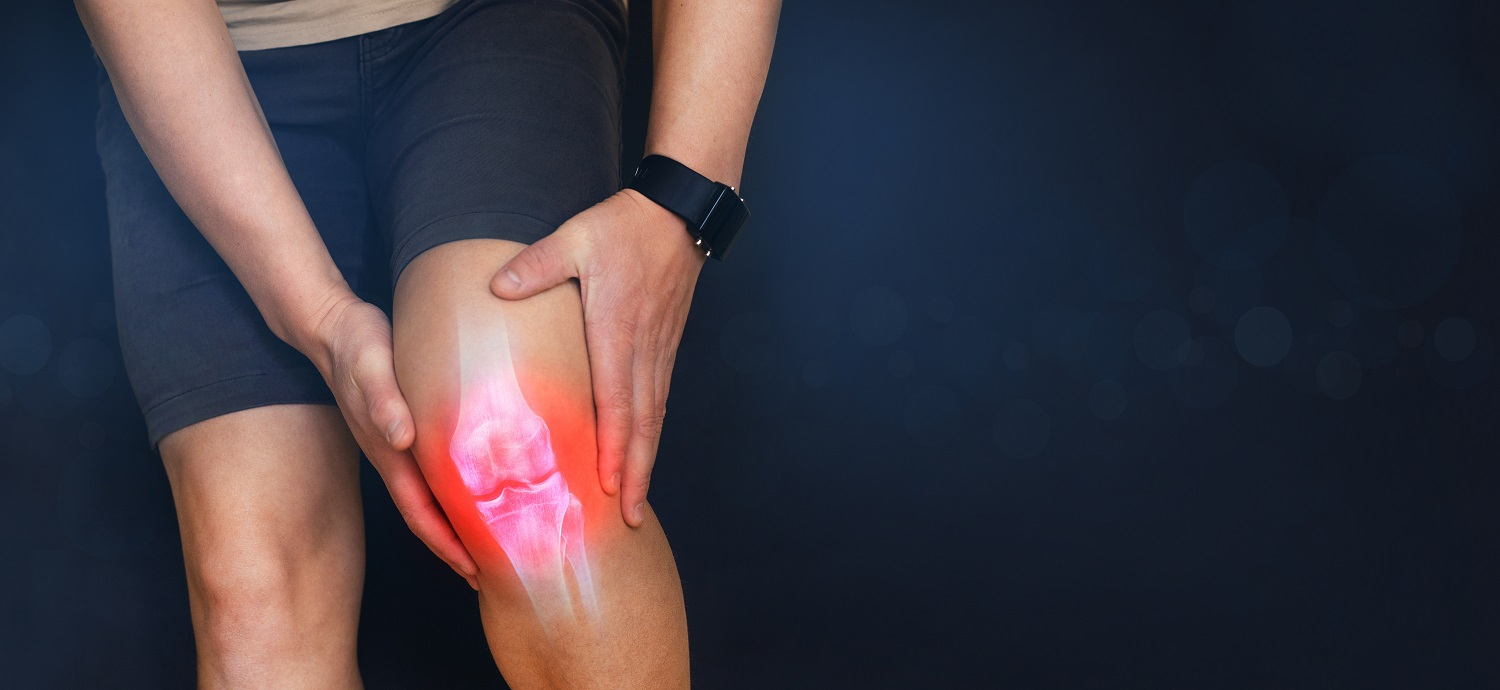
There is something thrilling about the rush of sports. The sound of feet hitting the ground, the energy of a fast break, or the moment before a sprint ends in victory. For many athletes, that drive to push limits is part of what makes the game so rewarding.
But intensity often comes with a cost. The knees, which act as the body’s main support system during motion, are put under heavy strain in high impact sports. Over time, the repetitive force and sudden twists can take a toll, sometimes leading to serious injuries that require medical attention or even an ACL reconstruction.
Knowing how these injuries happen and understanding how to reduce the risk can make a big difference in long term joint performance and overall health. It is not just about playing harder; it is also about playing smarter and caring for the body that makes each stride possible.
Constant Stress on the Knees
Sports that demand speed, agility, and quick changes in direction can place enormous pressure on the knees. Over time, this repetitive stress weakens ligaments and joint structures, making them more vulnerable to injury.
The Strain of Sudden Movements
Basketball players leap high and land hard, soccer athletes pivot in an instant, and runners absorb shock through every step. These movements might look smooth, but beneath the surface, the knee joints absorb a tremendous amount of force each time. This constant tension increases the risk of ligament or cartilage tears.
Even athletes who train regularly and maintain strong leg muscles are not completely protected. The body can only absorb so much before structures like the anterior cruciate ligament, or ACL, start to show signs of strain. When the ligament stretches too much or tears, recovery often requires extensive rest and therapy.
The Role of Fatigue in Injury
Fatigue is more than simple tiredness. When muscles and joints are overworked, they lose stability and coordination. During long games or intense practice sessions, this lack of control can cause a player’s knee to twist unexpectedly under pressure. A single wrong landing can result in a painful injury that sidelines them for months.
This is why professional trainers often emphasize balanced conditioning and adequate recovery. Rest is not a luxury for an athlete; it is a necessity that safeguards their body from serious damage.
Uneven Playing Surfaces and Equipment
The environment significantly affects injury risk. Uneven terrain, worn-out footwear, or hard playing surfaces can alter how the foot and knee absorb impact. Many athletes increase their risk unknowingly by training on surfaces with poor shock absorption or by wearing shoes that no longer provide adequate ankle and arch support.
Even a minor slip or improperly fitting shoe can shift weight unevenly through the knee, causing damage over time. Monitoring equipment quality and field conditions helps reduce unnecessary strain and provides an additional layer of protection.
The Danger of High Impact Collisions
In many contact sports, collisions are unavoidable. While they are often part of the excitement, they also present a major source of knee injuries. The sudden force of impact can twist or compress the knee in directions it is not meant to move, leading to ligament tears or joint dislocations.
The Risks in Contact Sports
Athletes in football, rugby, or martial arts often experience direct impacts to the legs. These forces can cause injuries ranging from mild sprains to complete ligament tears. The knee’s structure is delicate, consisting of ligaments that rely on proper alignment and stability. A blow from the wrong angle can easily disrupt that stability.
Even protective equipment has limitations. While braces, pads, and supports help absorb some pressure, they cannot always prevent injury during powerful impacts. This underscores the importance of strength training and proper body mechanics as essential components of any sport conditioning program.
The Importance of Immediate Response
When a knee injury occurs, prompt and appropriate response can significantly influence recovery. Ignoring pain or continuing activity may exacerbate the damage and delay healing. Early assessment helps determine whether the injury is minor or involves serious structures, such as a torn anterior cruciate ligament (ACL).
Sometimes, athletes delay seeking medical attention because they fear missing practice or competitions. However, postponing care can result in lasting damage that impacts both performance and everyday mobility. Pursuing prompt treatment and adhering to a structured rehabilitation plan reflects discipline, not weakness.
Recovery and Long Term Health
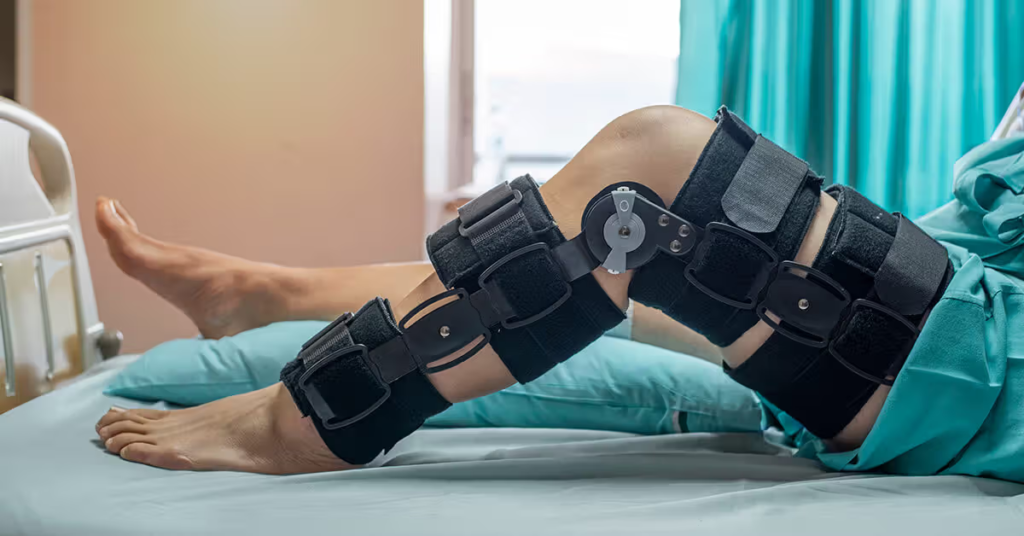
Rehabilitation after a severe knee injury requires consistent effort and resilience. For some, this process may include structured physical therapy sessions designed to rebuild strength, balance, and flexibility. In more serious cases, interventions such as ACL tear surgery may be necessary to restore stability and allow safe return to sports.
Recovery can take several months and challenges not only the body but also the mind. Nonetheless, many athletes find that this stage fosters a deeper understanding of their health and their sport. With proper care and a gradual return to activity, they often come back stronger, more knowledgeable, and more attuned to their body’s limits.
Playing With Awareness
High impact sports inherently carry a risk of injury, but proper awareness and preparation can significantly lower that risk. Structured warm ups, targeted flexibility exercises, and strengthening of supporting muscles help protect the knees from strain. Monitoring fatigue and responding to early warning signs of discomfort further enhances injury prevention.
Every athlete, regardless of experience, benefits from learning how to move efficiently and safeguard their joints. Staying informed about injury prevention and prioritizing recovery is not only about remaining in the game but also about sustaining a lifelong enjoyment of movement.
Knee injuries may be common, but they are not inevitable. When athletes respect their bodies and follow sound training and recovery practices, they give themselves the best chance to stay strong. For those who have faced serious injuries and required anterior cruciate ligament surgery, dedication to rehabilitation demonstrates that progress is possible through patience, proper care, and a focused mindset, with every step contributing to recovery.
Read More Gorod