Qamer Javed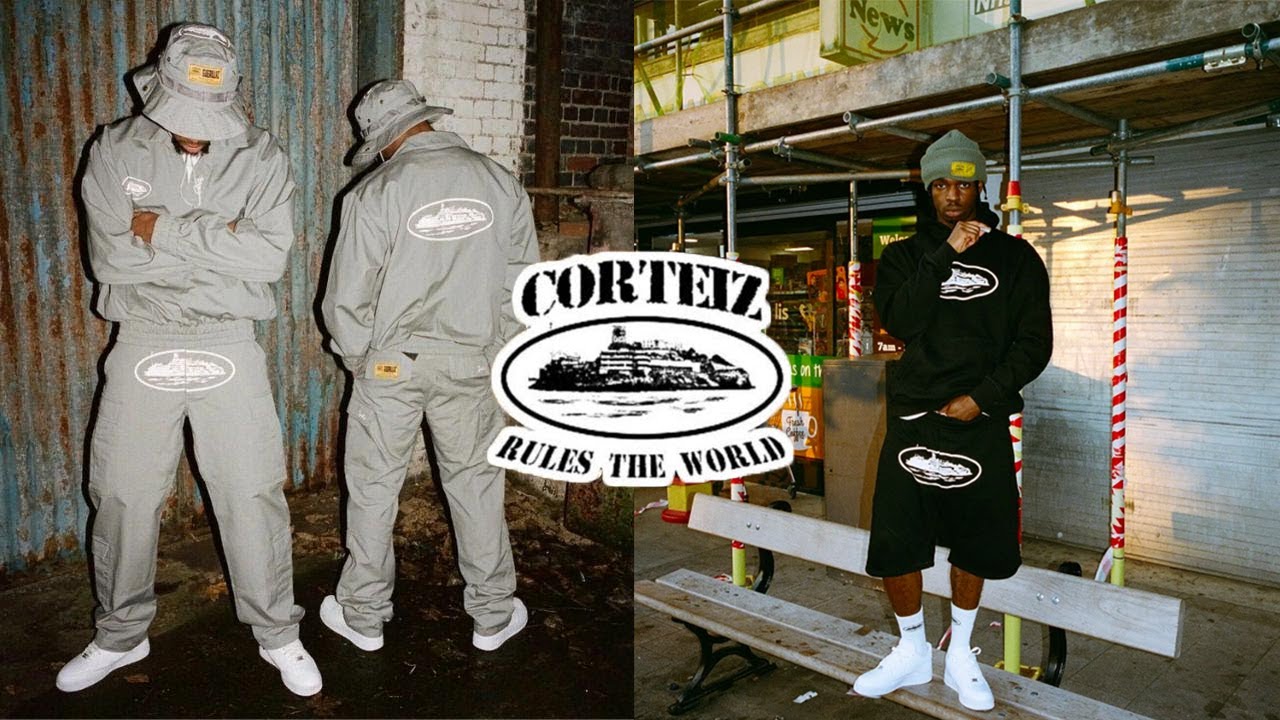
In today’s fast-fashion world, where brands push out new collections every other week, Corteiz stands out by doing the exact opposite. Instead of flooding the market, it chooses restraint, intention, and mystery. This decision isn’t accidental or lazy it’s a deeply strategic move rooted in culture, creativity, and control. From limited drops to community-first thinking, this brand has reshaped how people view streetwear value. Understanding why Corteiz avoids mass production helps explain its loyal following and rising influence in modern clothing fashion. The brand proves that less can truly be more when it comes to impact, desirability, and authenticity in an oversaturated industry.
Why does limited production increase fashion desirability?
Limited production taps into basic human psychology: people want what they can’t easily have. When clothing is scarce, it immediately feels more valuable and meaningful. Corteiz understands that exclusivity creates emotional attachment, not just transactional buying. Each drop feels like an event rather than a routine restock, making customers feel part of something special.
In fashion, desirability often grows when access is restricted. Instead of chasing mass appeal, the brand builds anticipation and conversation around each release. This approach shifts focus from constant consumption to intentional purchasing. Customers don’t just buy clothes, they earn them through attention, timing, and cultural awareness. By avoiding mass production, the brand ensures that its pieces remain rare, respected, and protected from becoming disposable trends that fade as quickly as they arrive.
How does avoiding mass production protect brand identity?
A strong fashion identity can easily be diluted when products become too common. When everyone owns the same hoodie or jacket, it loses its cultural edge. Corteiz avoids this trap by keeping tight control over its output, ensuring that every piece reflects its core message and attitude.
Mass production often forces brands to compromise on fabric quality, design originality, or ethical standards. By staying small and selective, the brand maintains creative freedom and consistency. Each item feels deliberate rather than rushed. This protection of identity is crucial in streetwear, where authenticity matters more than logos. Avoiding overproduction allows the brand to stay true to its roots, preserving the rebellious and independent spirit that initially attracted its community.
Why is community more important than global scale?
Rather than chasing global domination, Corteiz prioritises building a loyal community. The brand speaks directly to its audience, not to everyone. This approach turns customers into supporters who feel emotionally invested rather than passively marketed to.
Mass production often shifts focus from people to numbers. In contrast, limited releases reward those who genuinely connect with the brand’s values. Events, surprise drops, and location-based releases strengthen this bond. The clothing becomes a symbol of belonging rather than just a fashion item. By focusing on community instead of scale, the brand grows organically through trust and shared culture, proving that meaningful relationships can be more powerful than worldwide availability.
How does scarcity challenge fast fashion culture?
Fast fashion thrives on speed, volume, and constant replacement. Corteiz challenges this model by slowing everything down. Scarcity forces consumers to think before they buy, breaking the cycle of impulse shopping and waste.
When clothes are mass-produced, they’re often treated as temporary. Limited production encourages longevity; people care for items they worked hard to obtain. This mindset subtly promotes sustainability without loud marketing claims. The brand’s strategy questions the idea that fashion must always be new and excessive. By resisting fast fashion norms, it introduces a quieter but stronger form of resistance, where value comes from meaning, not mass availability.
Why does quality matter more than quantity in streetwear?
Streetwear is built on credibility, and credibility comes from quality. Corteiz emphasises materials, fit, and construction because these details shape how clothing feels and lasts. Mass production often prioritises speed over craftsmanship, resulting in inconsistent quality.
By producing fewer pieces, Trapstar can oversee quality control more closely. Every garment reflects a standard rather than a compromise. This focus builds trust; customers know what they’re getting is worth the effort and price. In streetwear culture, reputation travels fast, and for a brand like Trapstar, one poorly made product can damage years of credibility. Choosing quality over quantity protects the brand’s long-term standing and reinforces its premium perception.
How does mystery and unpredictability strengthen the brand?
Predictability kills excitement. Corteiz thrives on surprise, using unannounced drops and unconventional release methods to keep audiences engaged. This unpredictability transforms shopping into an experience rather than a routine task.
Mass production requires structured calendars and constant visibility. Limited production allows flexibility and creativity in how products are released. Mystery fuels online discussions, social sharing, and word-of-mouth growth. People don’t just ask “What’s new?” They ask “When and how?” This energy keeps the brand culturally relevant without traditional advertising. By staying unpredictable, the brand maintains control over its narrative and keeps consumers emotionally invested.
What does avoiding mass production mean for the future of fashion?
The success of Corteiz shows that fashion doesn’t need to be loud or excessive to be influential. By rejecting mass production, Corteiz proves that purpose-driven brands can thrive without following industry norms. Corteiz represents a shift toward mindful fashion where creativity, community, and control outweigh volume and speed.
This model inspires emerging designers to rethink success. Instead of measuring growth by units sold, it encourages measuring impact, loyalty, and cultural relevance. As consumers become more aware and selective, brands that prioritise intention over excess may define the future. In that sense, Corteiz isn’t just avoiding mass production; it’s quietly redefining what modern fashion success looks like.